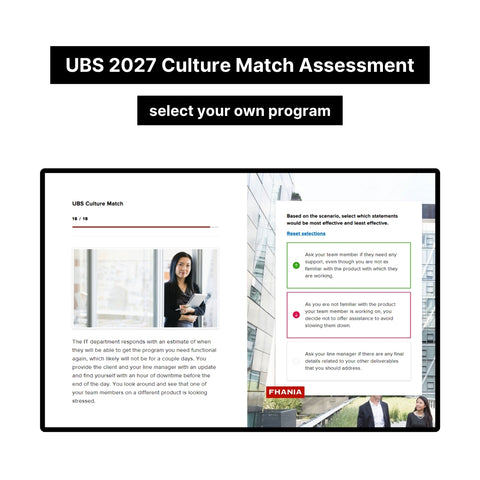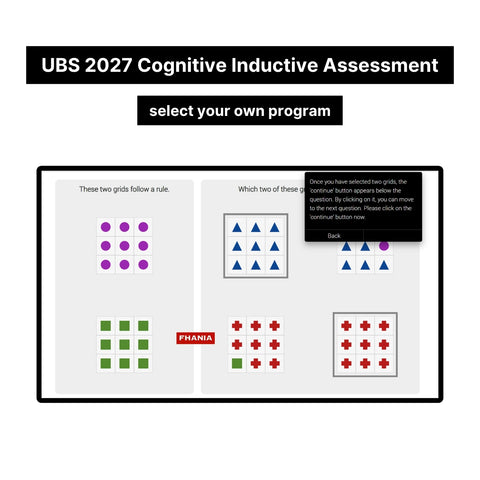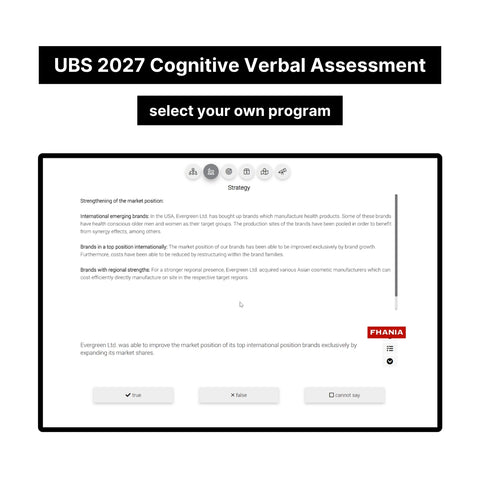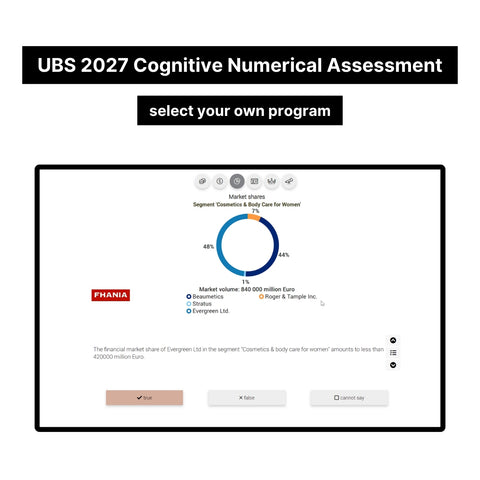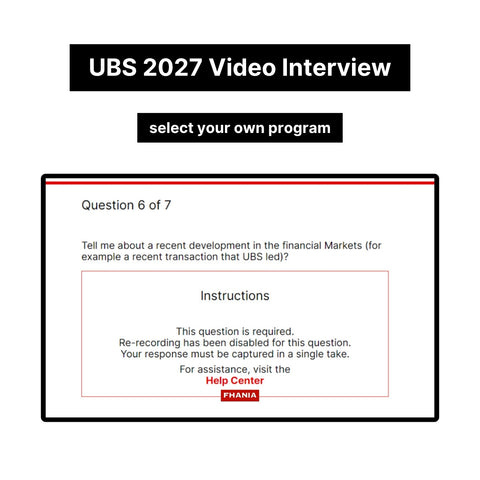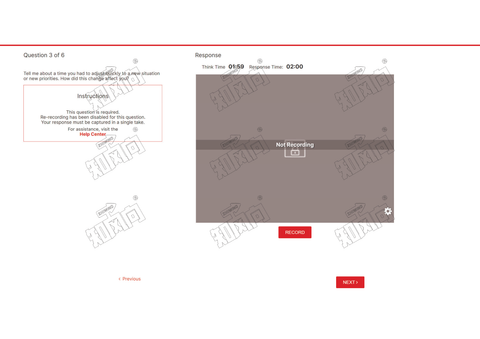
UBS’s 2027 Video Interview for Group Risk Control is asking what happens to your judgment when the plan stops being useful. Adaptability is not saying yes to every new request. It is choosing what changes, what stays protected, and what you communicate.
The real question
Keep every part of the original wording:
Tell me about a time you had to adjust quickly to a new situation or new priorities. How did this change affect you?
How you lose points
- Using a change with no stakes: A small calendar adjustment cannot demonstrate meaningful reprioritization.
- Making yourself passive: You wait for detailed instructions instead of showing how you clarified the new objective.
- Ignoring trade-offs: You pretend every task stayed on schedule despite the priority shift.
- Blaming the disruption: You spend more time criticizing the new request than explaining your response.
- Forgetting the personal effect: You never answer whether the change exposed a habit, stress response, or skill gap.
How you pass
Choose a story where the new situation forced a real allocation decision. Explain which deliverable became critical, what evidence supported that judgment, and how you contained the cost to lower-priority work. The answer needs both external action and honest reflection.
Consider a hypothetical student investment project. Hours before a presentation, a teammate found that a source underlying the valuation had been revised. You froze the affected slides, assigned one person to verify the new data, and simplified the recommendation so the team could defend every assumption. The presentation remained coherent. You also learned to record source dates and run a final change check before future submissions.
- Use a clear before-and-after timeline.
- Show one prioritization principle, not a frantic task list.
- Explain the boundary you set around accuracy or risk.
- Account for the people affected by your change.
- Turn the personal impact into a specific later practice.
The best reflection is concrete. The change should leave the interviewer with evidence that your future response will be faster and more disciplined.
Get the ones for your role
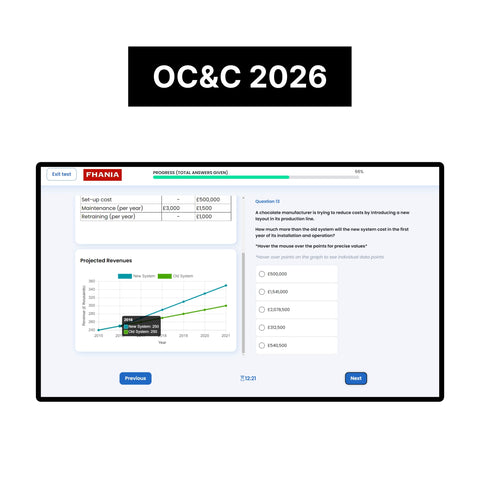
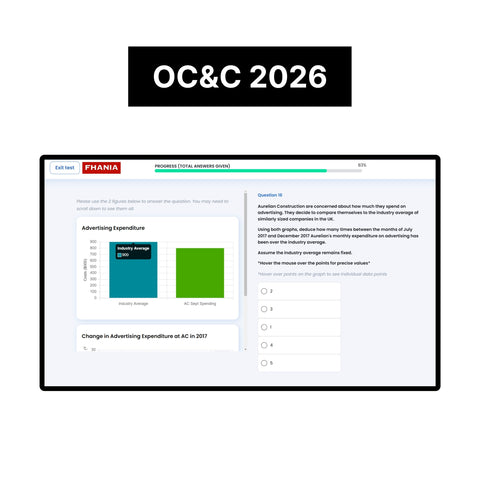
This prompt is one part of the UBS Group Risk Control Video Interview. OfferTutoring provides the complete questions for the firm and role so your practice can match the real assessment.