
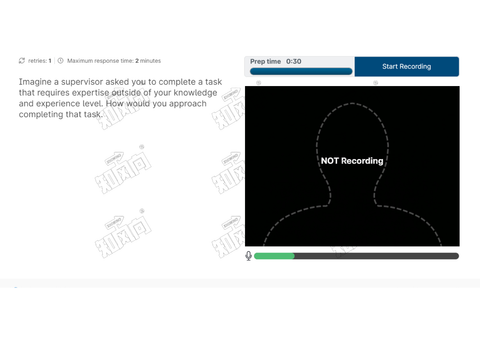
A good response turns an expertise gap into a controlled execution plan: clarify, decompose, consult, verify, and communicate.

A good response turns an expertise gap into a controlled execution plan: clarify, decompose, consult, verify, and communicate.
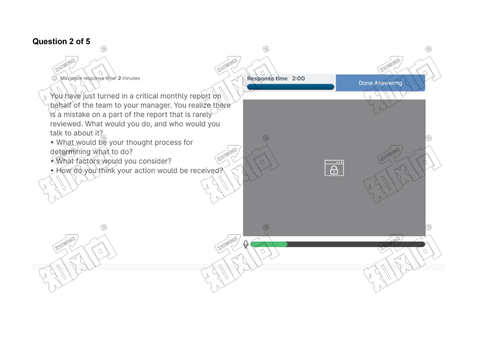
A strong answer does not rush past the error or dramatise it. It establishes facts, protects users, and fixes the control gap.
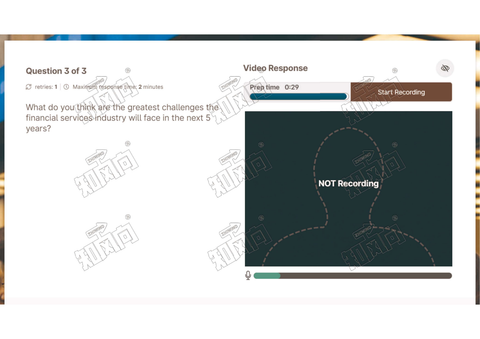
A five-year answer should be a disciplined argument, not a prediction contest. Rank, explain, and respond.
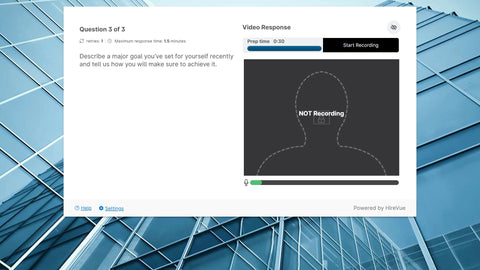
The interviewer does not need a motivational speech. They need evidence that your goal survives contact with a busy week.
The best teamwork answer is a short causal argument: the team faced a problem, you owned a decision, and the result improved.
The interviewer is not asking for a code recital. A useful answer exposes the assumptions, rejected options, and tests behind the final implementation.
The answer improves when you stop arguing that sustainability is always profitable and show how an investor tests when the connection is economically real.
The decisive part of this answer is not what you created. It is the evidence that people adopted it and performed the work better afterward.
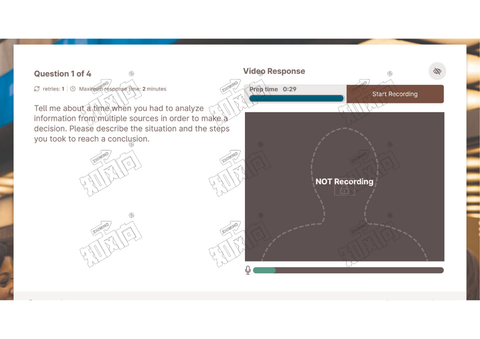
A decision story becomes persuasive when the interviewer can see the rule you used to separate useful evidence from noise.
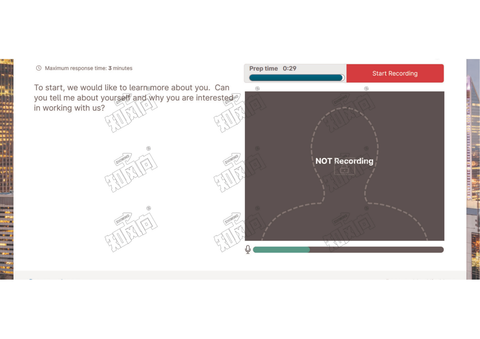
The hidden task is not introducing yourself. It is proving that your choices point toward this firm and this kind of work.