Ambiguity is not permission to improvise blindly
This PwC 2027 assessment question tests how you create structure when the task is new and the available information is incomplete. The interesting part is the line between sensible initiative and an assumption that should have been checked.
A credible answer shows a deliberate process for learning just enough, acting safely, and updating the plan as evidence arrives.
The wording candidates see
The original question reads:
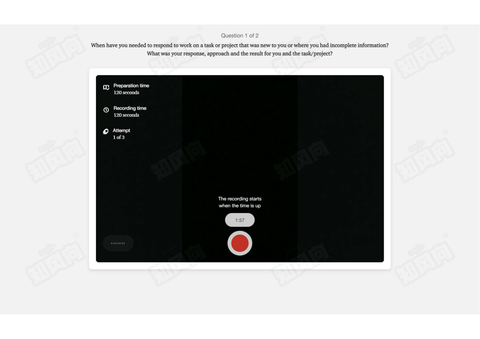
When have you needed to respond to work on a task or project that was new to you or where you had incomplete information? What was your response, approach and the result for you and the task/project?
Where ambiguity stories become weak
- Using a story with no real ambiguity. A routine task with clear instructions does not answer the central part of the prompt.
- Making research the whole response. Information gathering matters only when it changes a decision or next action.
- Escalating without a recommendation. A useful question to a manager includes what you know, what you need, and the option you currently favour.
- Skipping communication. Stakeholders should know which assumptions remain open and when they will be reviewed.
- Ending at task completion. The prompt explicitly asks about the result for both you and the project.
Make the judgment visible
A useful response can be built around one decision log, even if you did not formally call it that at the time.
- Frame the objective. Explain the output, stakeholder, deadline, and quality threshold before describing the uncertainty.
- Rank the unknowns. Distinguish a gap that could reverse the decision from details that can be resolved later.
- Check the right source. Say who or what you consulted, the precise issue tested, and what changed afterward.
- Create a checkpoint. Share the assumption, produce a small piece of work, and obtain feedback before scaling the approach.
- Reflect on the method. State how the experience changed the way you scope unfamiliar work now.
The best examples include an adjustment. A result that improved because new information changed the initial plan shows more judgment than a story where the first idea happened to work.
Prepare the remaining PwC questions
One well prepared answer is useful, but the assessment contains more than this prompt. The complete PwC question set is available in our store for candidates who want to practise the full sequence rather than guess what comes next.