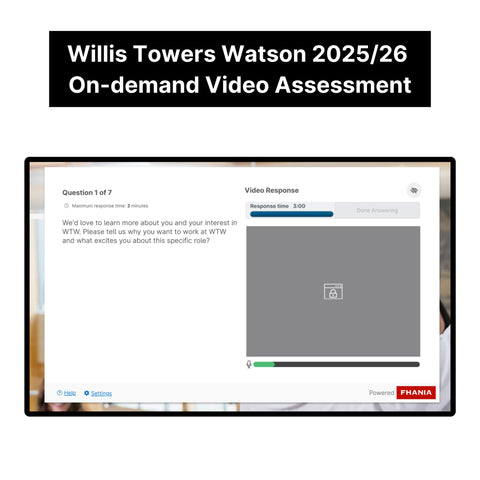
WTW Interview Questions 2027: Conflicting Advice Decision
For this Willis Towers Watson interview question, use STAR to show independent judgment: the Situation where two trusted sources disagreed, how you evaluated both positions (evidence, reasoning, incentives, track record), the Decision you made and why, and the Result. The assessor wants to see that you can think for yourself under conflicting guidance — weighing advice without outsourcing the decision.
Willis Towers Watson Interview Questions: What the Conflicting-Advice Question Assesses
This question is commonly reported by candidates in WTW's interviews because advisory work constantly involves synthesizing conflicting inputs — clients, colleagues, and data rarely agree. Interviewers are testing intellectual independence: do you evaluate advice critically, or do you follow the loudest voice or the highest rank? They want to see a decision framework — how you compare competing recommendations on their merits — and the courage to commit once you've decided.
Willis Towers Watson Interview Questions: How to Answer
Make the evaluation process the centerpiece of your STAR:
- Situation. The decision you faced and the two (or more) conflicting pieces of advice — who gave each and what they recommended. Make the conflict genuine, not trivial.
- Task. What was at stake and why the decision was yours.
- Action. Your evaluation method: (1) understood the reasoning behind each position, not just the conclusion; (2) weighed the evidence each side offered; (3) considered incentives and context — who benefits if they're right, what experience informs their view; (4) possibly sought a tie-breaking data point or third perspective; (5) made the call and communicated it respectfully to the side you didn't follow.
- Result. The outcome of your decision and what it taught you about handling conflicting guidance.
Example line: "Choosing my dissertation topic, my supervisor pushed for a safe replication while an industry mentor argued for an ambitious original study. I compared the evidence — the replication had guaranteed data but low upside; the original had real risk but a willing data partner — and chose a middle path: the ambitious question with a replication fallback built in. It worked, and taught me to look for the third option when advice conflicts."
Common Mistakes
- Following authority blindly. "I went with the senior person's view" without evaluation fails the independence test.
- Splitting the difference without reasoning. Compromise needs justification, not just conflict-avoidance.
- Disrespecting the losing side. How you communicated the decision matters — show you handled it gracefully.
Keep Reading
- what do you know about kkr
- UBS Equity Research Interview: Define the Team's Role
- UBS Equity Research Video Interview: Role of Research
FAQ
Should the advisers be senior people? It helps — disagreeing thoughtfully with senior guidance shows the most courage — but any genuine conflict works.
What if my decision turned out wrong? Honest wrong calls with clear reasoning still demonstrate the skill; focus on the quality of the process.
How do I show respect for both sides? Describe engaging seriously with each position's reasoning before deciding.
Can this be a personal rather than professional decision? Yes, if the evaluation process is substantive — career and academic choices work particularly well.
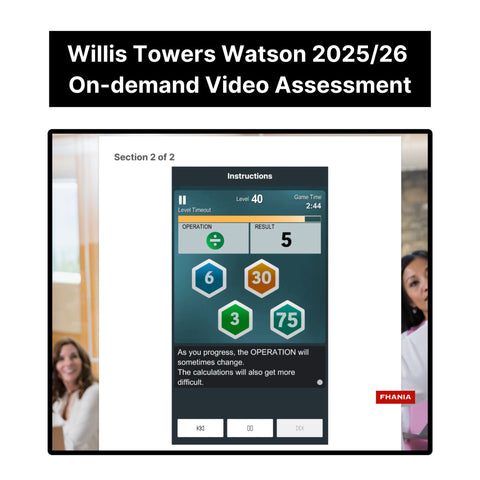
Preparing for Willis Towers Watson's interview? Our 2027 Willis Towers Watson WTW On-demand Video Assessment Exact Questions and Answers has practice questions and answers — $79 one-time, instant download.