Standard Chartered "Your Role in Teams": How to Answer (2027)
An honest Standard Chartered role in teams interview answer is commonly reported by candidates as a frequent Standard Chartered behavioral question, and the framework is: name your natural role, prove it with an example, and show flexibility. In 60 to 90 seconds: state the role you tend to take (organizer, analyst, harmonizer, challenger — pick truthfully), give one concrete example of it in action, then add that you adapt to what the team lacks. Self-awareness plus adaptability is the combination interviewers want.
What This Question Assesses
Banking is team production — deals are staffed, not soloed — so interviewers probe team self-awareness. They want to know you understand group dynamics, have a genuine contribution pattern, and will not rigidly play one role when the team needs another. Both “I’m always the leader” and “I just do what I’m told” are red flags.
How to Answer: Standard Chartered Role In Teams Interview
- Name your natural role truthfully. Pick the one you actually default to — organizer, deep analyst, mediator, or constructive challenger — and say why it suits you.
- Prove it with one example. A brief story showing the role in action and the value it added.
- Show range. Add one line on a time you deliberately played a different role because the team needed it — this is the flexibility proof.
- Connect to the job. Note how this pattern helps in a banking team context.
Sample line: “I naturally become the organizer — I set the plan, track deadlines, and make sure work is divided sensibly. In our investment society project that kept a six-person team on track. But I’ve also deliberately played analyst when someone else organized better — I adapt to the gap in the team.”
Common Mistakes: Standard Chartered Role In Teams Interview
- Claiming you are always the leader — it signals poor team awareness, not strength.
- No example — an unlabeled claim about team roles is just a label.
- No flexibility shown — rigidity in team roles worries interviewers more than any particular role choice.
Team questions seem soft, but they screen for the colleagues people want to staff — likability and self-awareness under one prompt. A thoughtful answer here earns quiet points that accumulate across interviewers.
Keep Reading
- swire hirevue questions
- Standard Chartered Application Mistakes: 7 Errors That Get Your 2027 A
- Standard Chartered Application Process 2027: 5 Stages Explained
FAQ
Which team role is best to claim?
The true one. Interviewers detect rehearsed “leader” claims instantly — authenticity with a good example beats the “right” label.
What if I prefer working alone?
Be honest but frame growth: acknowledge the preference, then show how you have learned to contribute in teams and what you value about it.
Should I mention a difficult teammate?
Only to show how you handled it constructively. Never to complain — the story must leave you looking like the colleague everyone wants.
How long should the example be?
Thirty to forty seconds within a 60 to 90 second answer. The label and the flexibility point matter as much as the story.
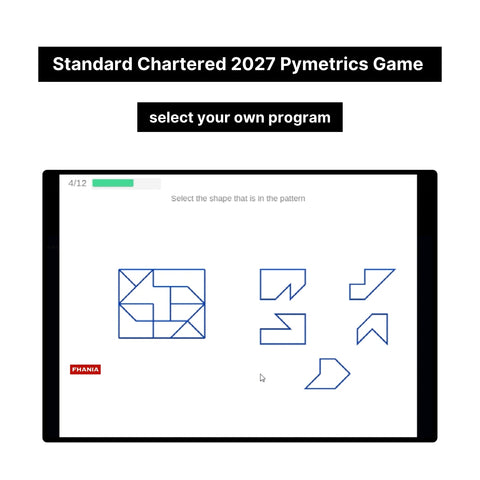
Preparing for Standard Chartered's interview? Our 2027 Standard Chartered Pymetrics Online Assessment & Video Interview Tutorials has practice questions and answers — $79 one-time, instant download.