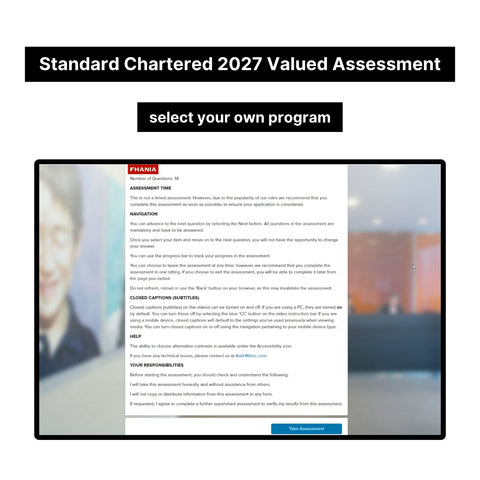
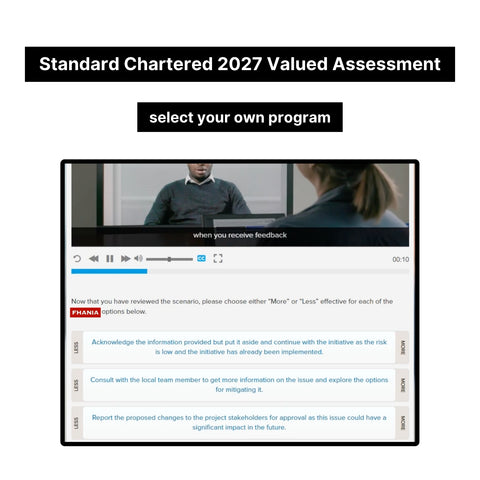
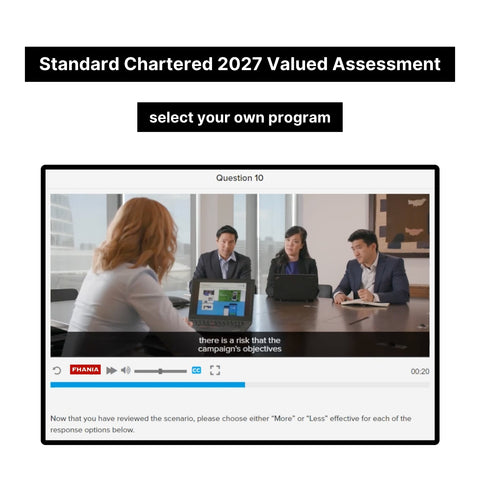
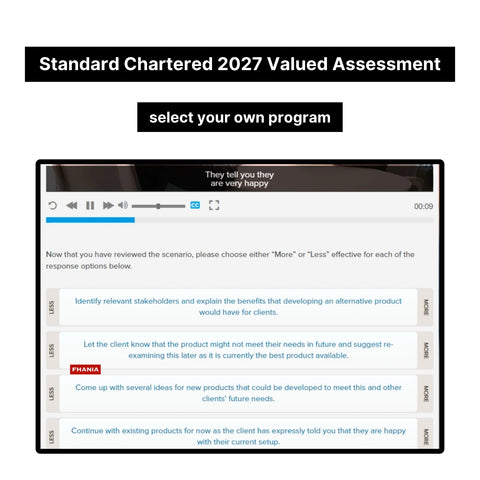
The most common Standard Chartered application mistakes are generic motivation answers, ignoring the bank's emerging-market focus, and treating the Pymetrics games like a joke. Most rejections happen before the assessment centre — weak applications and poor Pymetrics performance. Avoid these seven errors to stay in the process.
This guide covers the 2027 intake at Standard Chartered — applications open in 2026 and are reviewed on a rolling basis, so applying early gives you the strongest chance. Confirm exact dates on Standard Chartered's official careers page.
The 7 Standard Chartered Application Mistakes
1. Writing about Standard Chartered like it is any other bank.
The fastest rejection trigger. If your motivation answer could apply to HSBC, Barclays, or JPMorgan, it fails here. Standard Chartered's whole identity is Asia, Africa, and the Middle East. Name a corridor, a market, or a trend — and explain why it matters to you personally.
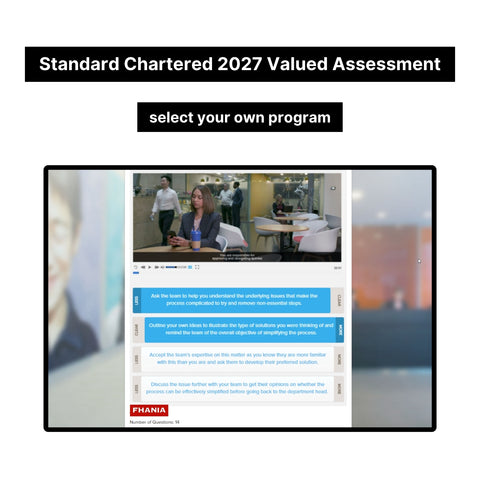
2. Treating Pymetrics like a joke.
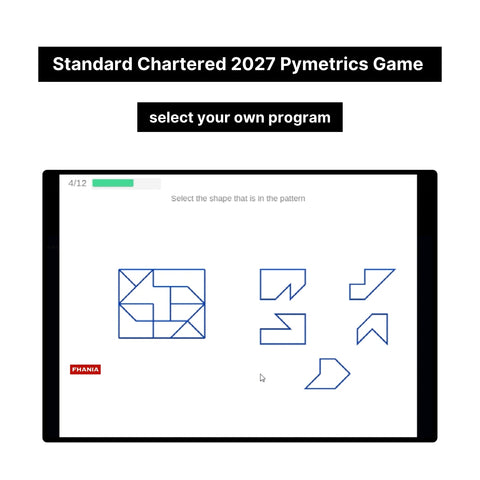
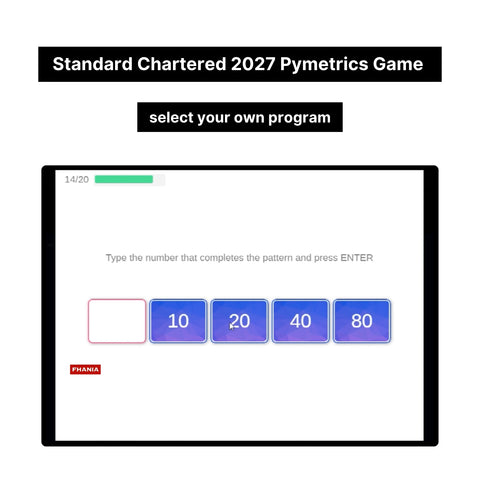
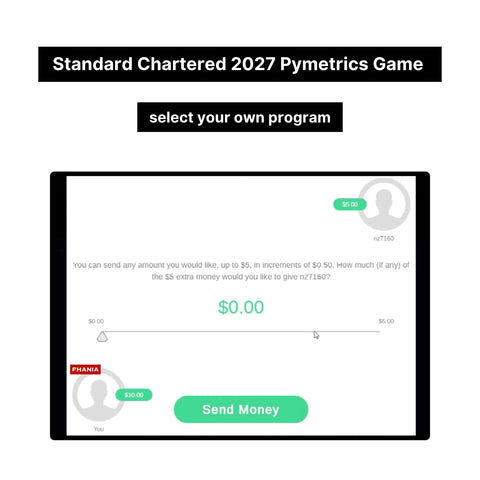
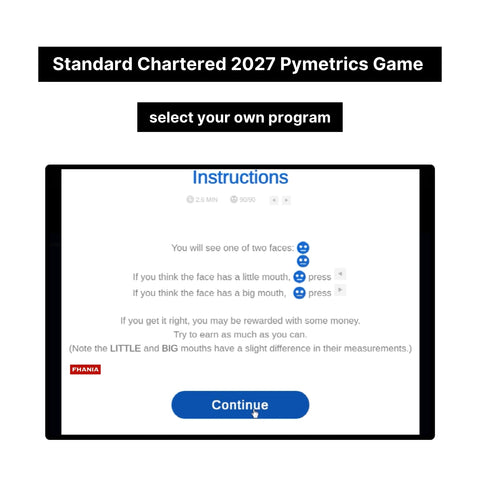
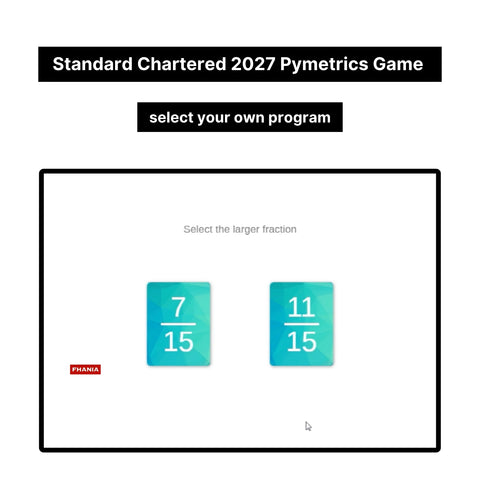
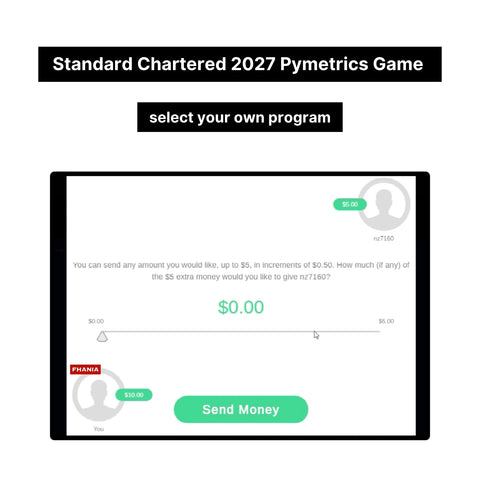
The 12 games look simple. Clicking randomly, multitasking, or rushing through them is the most common silent killer — candidates never learn their Pymetrics score, they just stop hearing back. Take it seriously: quiet room, full attention, no distractions.
3. Copy-paste motivation answers.
"I am passionate about finance and excited by Standard Chartered's global platform" says nothing. One specific reason, backed by something you have actually done, beats a paragraph of adjectives.
4. Applying to the wrong division.
CIB and Wealth & Retail Banking want different people. Applying to CIB with a purely retail-banking story (or vice versa) signals you did not research the bank. If you are unsure, read our guide on which Standard Chartered program is right for you before you apply.
5. A sloppy CV.
Typos, inconsistent formatting, or a three-page CV for a student with one internship. Keep it to one or two pages, reverse-chronological, with measurable results.
6. Applying late on a rolling process.
There is no fixed deadline to aim for — roles fill as applications arrive. Submitting months after opening means competing for fewer remaining spots. Apply early.
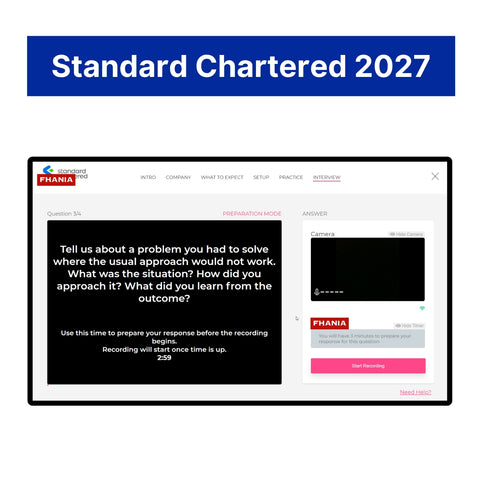
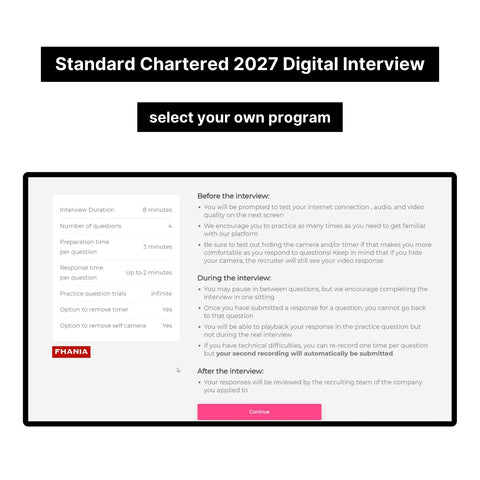
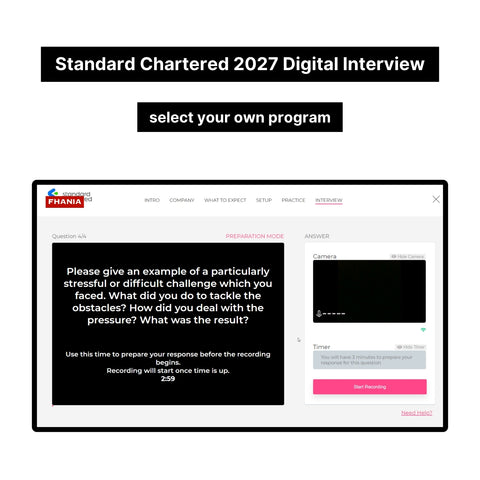
7. Winging the video interview.
The video interview is recorded and reviewed later; there is no live interviewer to read your energy. Rambling, generic competency answers get cut. Prepare 60–90 second structured answers and practice them on camera.
How to Avoid These Standard Chartered Application Mistakes
- Research the bank's markets before writing a single word of your application
- Prepare for Pymetrics and the video interview before invitations arrive — our Standard Chartered Pymetrics and video interview guide covers both stages in detail
- Get one other person to proofread your CV and screening answers
FAQ
What is the most common reason for Standard Chartered rejection?
Weak motivation answers and poor Pymetrics performance eliminate most candidates before the assessment centre stage.
Can I reapply to Standard Chartered after being rejected?
Generally yes, in a later hiring cycle. Check the official careers page for the current policy.
Does Standard Chartered give feedback after rejection?
Rarely at the early stages. Assume you will not get detailed feedback, and fix the controllable factors — application quality and assessment preparation.
Applying to Standard Chartered? Our 2027 Standard Chartered Pymetrics & Video Interview prep covers the real questions — $79 one-time, instant download.