McKinsey PEI Personal Impact 2027: Story Structure That Works
Answer the McKinsey PEI personal impact question "Describe a situation where you changed a senior stakeholder's mind" with a story where someone more senior than you initially disagreed, you built a case with evidence, and they changed their position. The winning structure is simple: their original stance, your evidence, and the decision they made.
What This Question Assesses in a McKinsey PEI Personal Impact Question
This question tests personal impact and influence — whether you can move people who do not report to you and who may have more experience. It is commonly reported by candidates as one of the toughest PEI dimensions because it requires a story where you genuinely shifted someone's thinking, not just presented information. The interviewer wants to see courage, structured communication, and persistence: did you understand the stakeholder's concerns, tailor your argument, and follow through until the decision changed?
How to Answer This McKinsey PEI Personal Impact Question
Build your STAR story around a senior person whose mind actually changed.
- Situation: Introduce the stakeholder and their original position in one or two sentences. Make the seniority gap clear — a manager, professor, client, or society president.
- Task: State what you needed them to agree to, and why it mattered. The higher the stakes, the stronger the story.
- Action: This is the core. Describe how you prepared: what evidence you gathered, how you anticipated their objections, and how you framed the argument in terms they cared about. Show the conversation itself — did you present data, run a small test, or reframe the problem? Use "I" for every decision.
- Result: State the changed decision explicitly and its outcome. "She approved the budget reallocation, and the project finished two weeks early" beats "she agreed with me."
Example line: "My manager wanted to cancel the pilot, so I pulled the usage data, showed him the retention numbers he had not seen, and reframed it as a two-week experiment — he reversed the decision the same day."
Common Mistakes With the McKinsey PEI Personal Impact Question
- Choosing a stakeholder who was not senior. Convincing a peer or a junior is not personal impact in the sense the PEI tests.
- Describing agreement, not a changed mind. If they were already leaning your way, there was no influence. The story needs a clear before and after.
- Skipping the objections. Candidates commonly report that interviewers probe hard on what the stakeholder pushed back on — prepare for "what did they say when you first proposed it?"
Many candidates arrive with polished case frameworks but no personal impact story ready, even though the PEI carries its own score. Prepare one story where you moved someone senior, and rehearse the follow-ups.
Keep Reading
- pjt partners interview questions
- McKinsey Red Rock Study: What It Tests & How to Pass
- McKinsey Referral: How It Works & Does It Actually Help
FAQ
Does the stakeholder have to be at work? No. A professor, coach, or client counts as long as they were senior to you and held the decision. What matters is the influence dynamic.
What if I influenced a group rather than one person? That can work, but make sure one senior decision-maker's changed position is identifiable. Diffuse group influence is harder for the interviewer to score.
How do I show impact without sounding arrogant? Focus on the evidence and the process, not on being smarter. "I brought data she had not seen" shows preparation; "I knew better than her" does not.
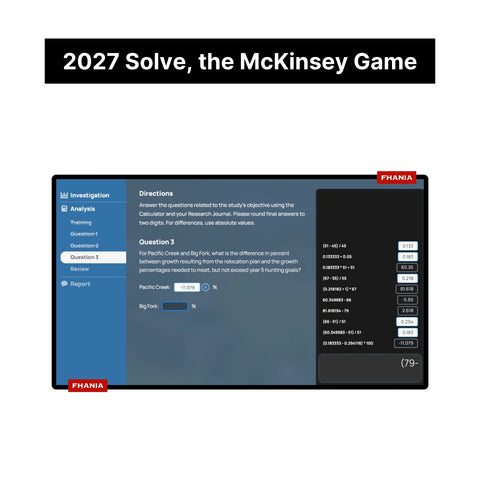
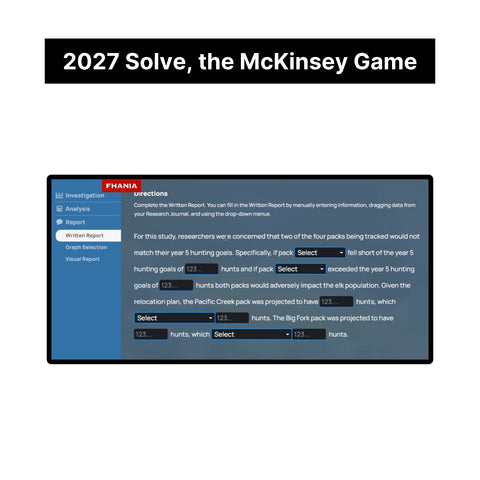
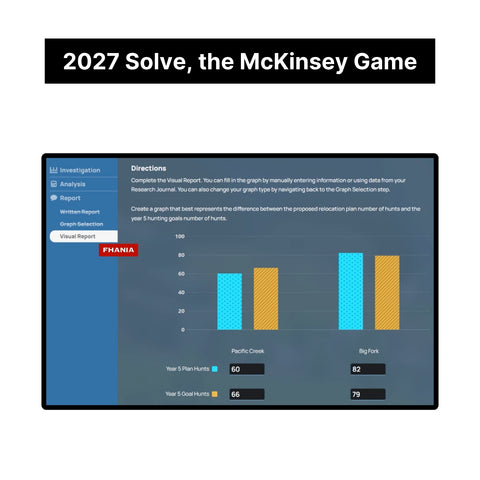
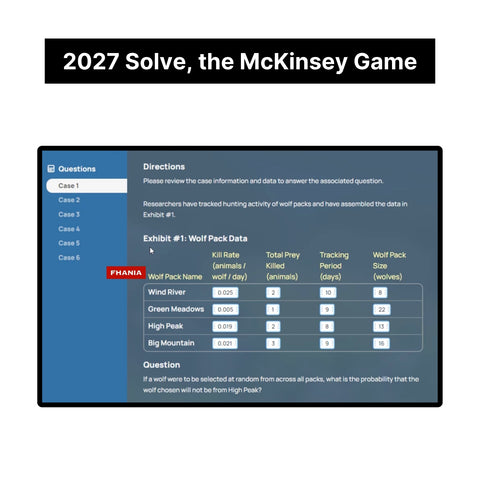
Preparing for McKinsey's interview? Our 2027 McKinsey Solve Game, RedRock, Sea Wolf, Sustainable Futures Lab, Case Interview Interactive Simulations has practice questions and answers — $79 one-time, instant download.