

McKinsey Red Rock Study: What It Tests & How to Pass
McKinsey Red Rock Study is the most frequently assigned game in the McKinsey Solve portfolio. You manage a national park ecosystem — tracking species populations, reading environmental data, and choosing interventions to keep the ecosystem balanced. It tests your ability to analyze dynamic systems and make data-driven decisions, and it's the game most 2027 intake candidates will face first.
What McKinsey Red Rock Study Is
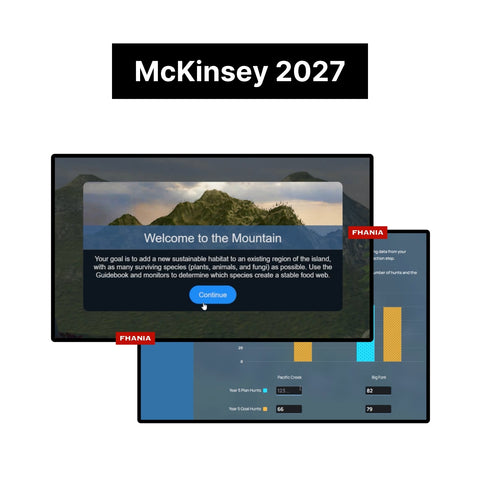
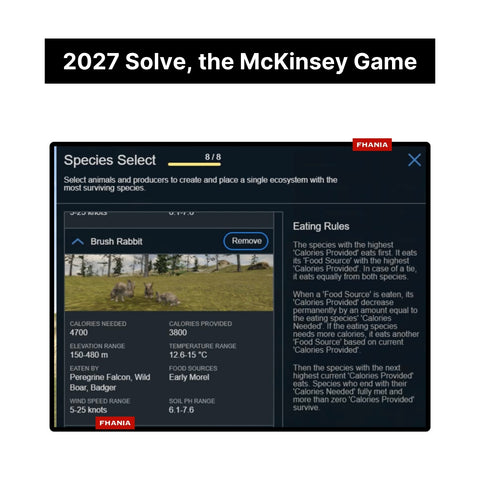
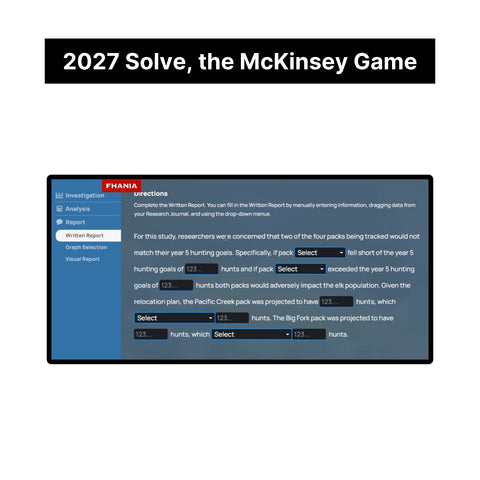
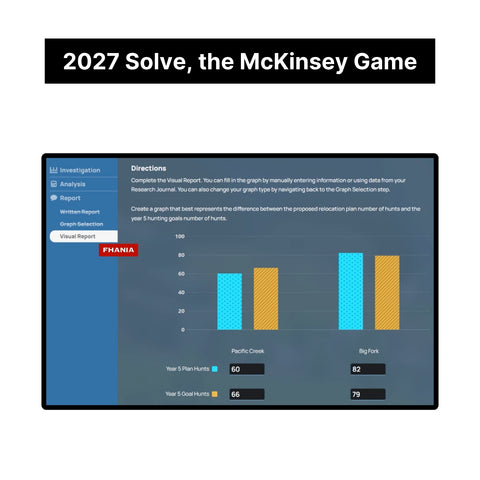
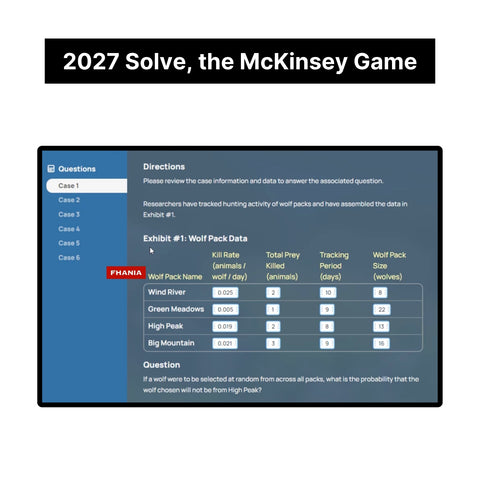
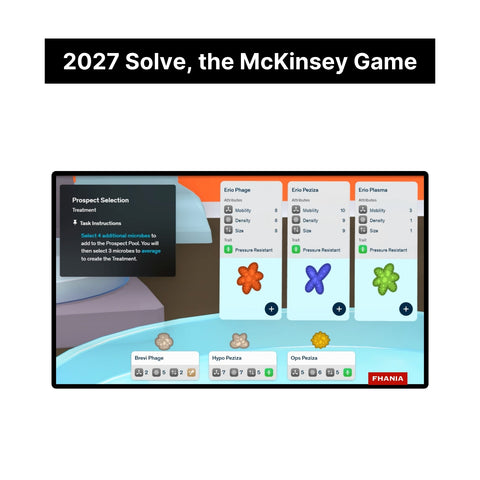
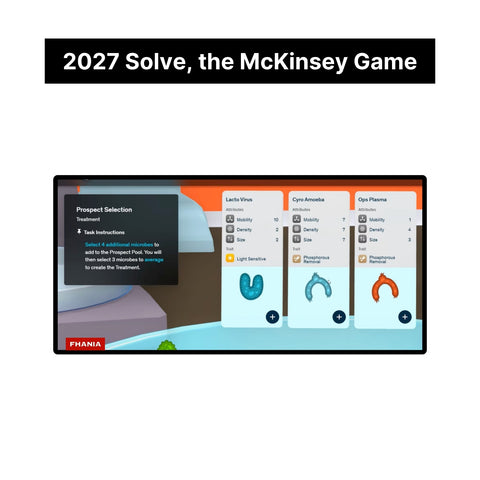
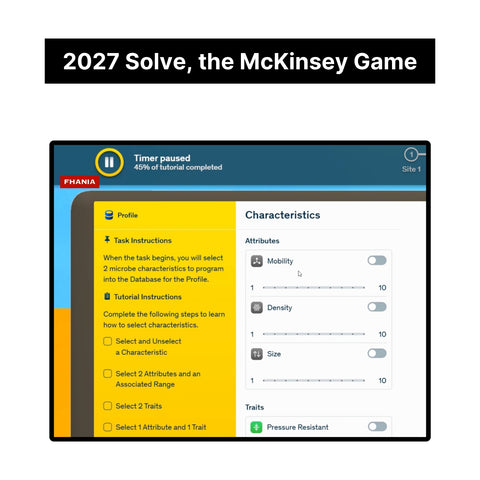
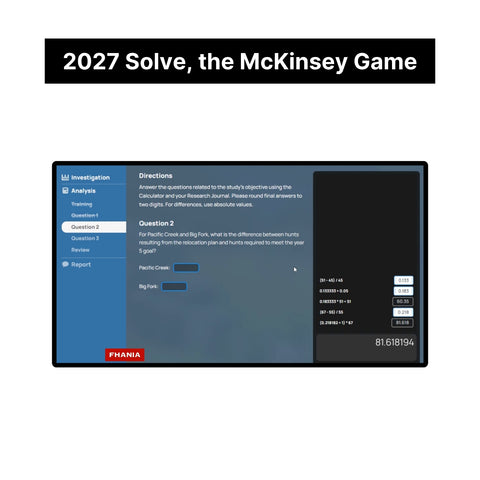
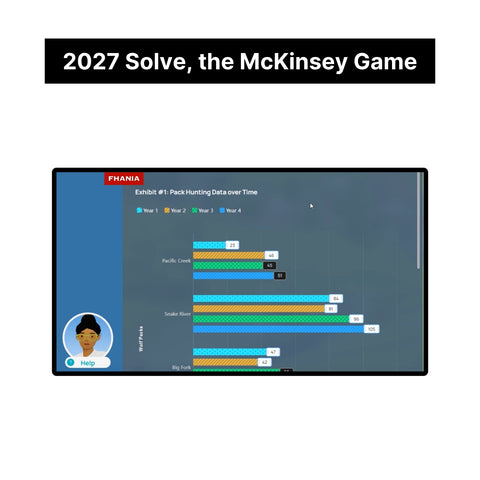
In Red Rock Study, you're the steward of a simulated ecosystem with multiple animal species, plants, and environmental factors. Each round, you see population data, food-web relationships, and environmental readings. You choose actions — introducing species, adjusting resources, protecting habitats — then watch the ecosystem respond over subsequent rounds.
The interface looks simple. The underlying system is not. Species interact in non-obvious ways, and an action that helps one population can quietly collapse another three rounds later.
What McKinsey Red Rock Study Tests
Red Rock is McKinsey's purest test of systems thinking:
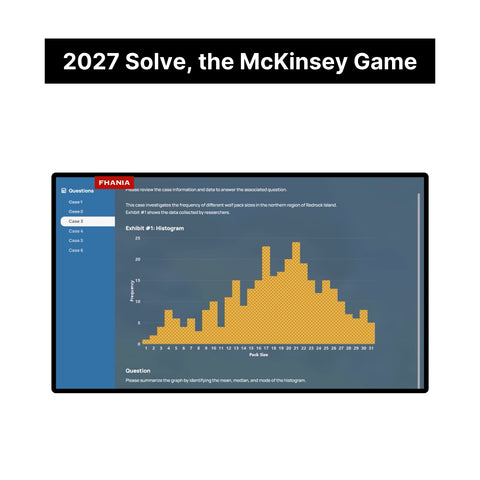
- Reading data dashboards — population charts, trend lines, and ecosystem health indicators
- Cause-and-effect reasoning — predicting second- and third-order consequences
- Balanced decision-making — optimizing the whole system, not one species
- Adaptation — changing strategy when the data says your plan isn't working
McKinsey doesn't score you on saving one favorite animal. It scores how well you maintain overall ecosystem balance across rounds — the same holistic thinking consultants use with clients.
How to Pass McKinsey Red Rock Study
The classic failure mode: candidates chase a single metric. They max out one species, feel great for two rounds, then watch the food web unravel. Red Rock punishes short-term thinking brutally.
Winners do three things: they study the food-web relationships before acting, they make small interventions and observe before committing, and they track trends across rounds instead of reacting to single data points.
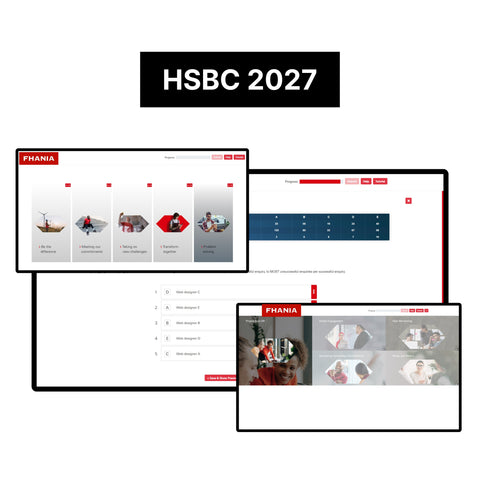
The fastest way to learn this is by playing the real thing first. Our 2027 McKinsey Solve Game, RedRock, Sea Wolf, Sustainable Futures Lab, Case Interview Interactive Simulations includes an interactive Red Rock simulation with the actual scoring logic, so you build the right instincts before your real attempt counts.
McKinsey Red Rock Study: Everyone Else Is Practicing — Are You?
Red Rock is a game of pattern recognition, and patterns only come from reps. Candidates who walk in having played it five times read the ecosystem like a dashboard. Candidates who walk in cold spend half the game learning the controls. In a screening test with no retakes, that's the difference between advancing and reapplying next year.
FAQ
How long does Red Rock Study take? Roughly 30–35 minutes as one of your two Solve games. The rounds move fast — hesitation costs you data.
What's the biggest mistake in Red Rock Study? Over-optimizing a single species. The scoring rewards whole-ecosystem balance, and single-metric thinking is the fastest way to fail.
Can you pause Red Rock Study? No. Like all McKinsey Solve games, it runs on a continuous timer once started.
Is Red Rock Study hard? The mechanics are easy; the judgment is hard. Most candidates who fail do so from strategy errors, not confusion about the interface — which is exactly why practice reps matter.
Preparing for McKinsey's Red Rock Study? Our 2027 McKinsey Solve Game, RedRock, Sea Wolf, Sustainable Futures Lab, Case Interview Interactive Simulations has the exact questions and answers — $79 one-time, instant download.