McKinsey PEI Courageous Change 2027: Example & Framework
Answer the McKinsey PEI courageous change question "Give an example of a bold change you championed" with a story where you pushed a change that carried real personal risk — reputational, political, or career risk. The framework is: the status quo everyone accepted, why you challenged it, the resistance you faced, and the result your change produced.
What This Question Assesses in a McKinsey PEI Courageous Change Question
This question tests entrepreneurial drive and courage — whether you act on conviction when it would be easier to stay quiet. It is commonly reported by candidates as the PEI dimension where safe, incremental stories fail. The interviewer is looking for genuine boldness: a change that met resistance, cost you something, or put your credibility on the line. Proposing a minor process tweak that everyone welcomed does not demonstrate courage, however sensible it was.
How to Answer This McKinsey PEI Courageous Change Question
Structure your STAR story to make the boldness and the risk explicit.
- Situation: Describe the status quo and why everyone accepted it. The more entrenched it was, the bolder your challenge looks.
- Task: State what change you championed and what made it bold — you challenged a superior's decision, overturned a long-standing process, or staked your reputation on an unproven idea.
- Action: Show the resistance you faced and how you persisted. Did people push back? Did you have to build a coalition, gather evidence, or escalate? This section should be the longest — courage is demonstrated through sustained action under pressure, not a single brave moment.
- Result: Quantify the outcome of the change. Even if the change only partly succeeded, frame what it achieved and what you learned.
Example line: "The team had used the same reporting format for three years, and my manager dismissed my proposal twice — I built a prototype on my own time, showed it to the client directly, and within a month the whole account had adopted it."
Common Mistakes With the McKinsey PEI Courageous Change Question
- Telling an incremental improvement story. If there was no risk and no resistance, it is not courageous change — pick a bolder example.
- Hiding the personal risk. Candidates commonly report that interviewers ask "what was at stake for you personally?" Prepare a direct answer.
- Claiming a change you did not drive. Championing means you pushed it through opposition. If someone else led it, choose a different story.
The courageous change story is the one candidates most often leave underprepared, yet interviewers commonly report probing it the hardest. Have a story where you genuinely stuck your neck out — and know exactly what it cost you.
Keep Reading
- akuna capital mental math test
- "Why OC&C?" — How to Answer for a Boutique (Not a Mini-McKinsey)
- BCG vs McKinsey Interview: Key Differences & How to Prep for Both
FAQ
What counts as "bold" for this question? Something that involved real risk to you: challenging authority, overturning an established norm, or committing to an outcome you could not guarantee. Boldness is relative to your context.
Can I use an example where the change failed? Yes, if you can show what the change achieved and what you learned. A failed bold attempt with honest reflection beats a safe success.
Should the story be from work? Not necessarily. University, volunteering, or entrepreneurial examples all work. The interviewer scores your behaviour, not the setting.
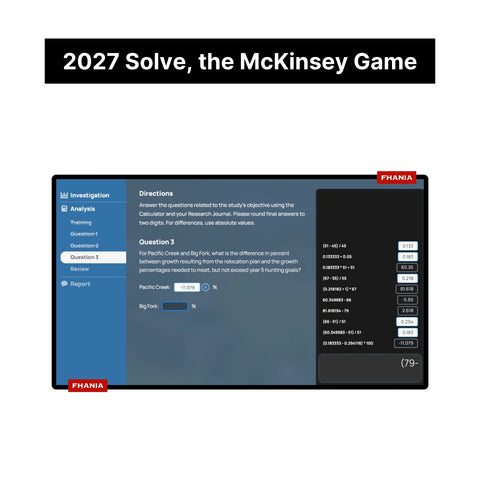
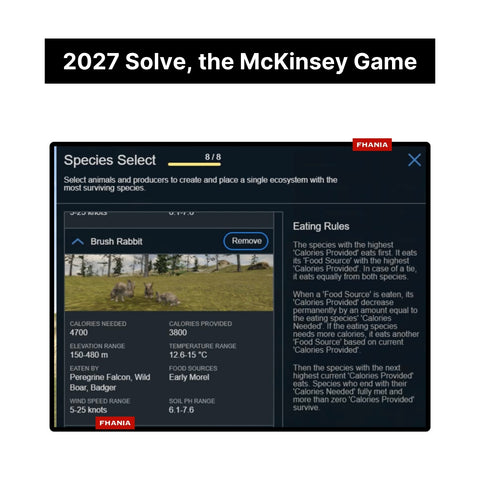
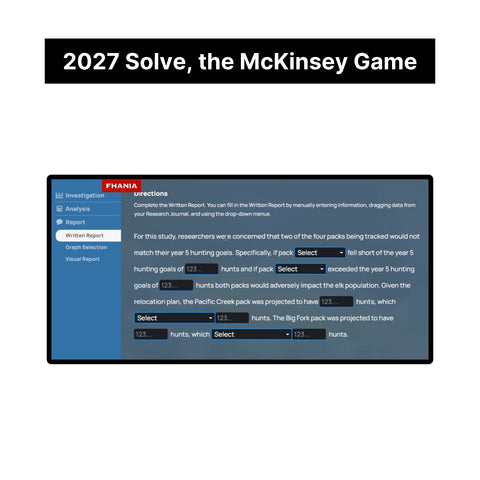
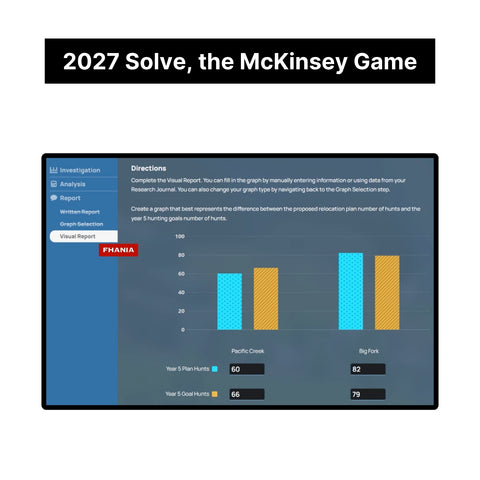
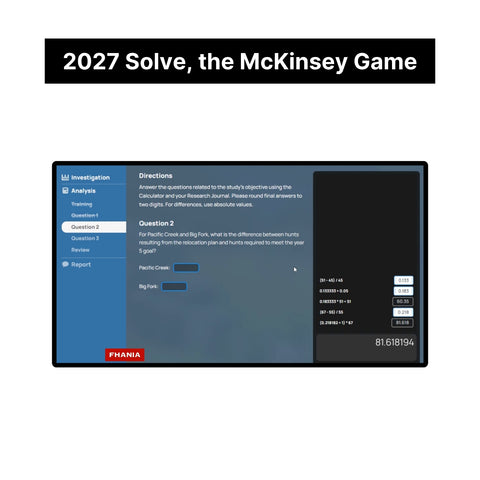
Preparing for McKinsey's interview? Our 2027 McKinsey Solve Game, RedRock, Sea Wolf, Sustainable Futures Lab, Case Interview Interactive Simulations has practice questions and answers — $79 one-time, instant download.