
Do not answer with a list of communication tips
The 2027 Telstra Video Interview asks for a behavioral example, not a personal philosophy. The evaluator needs to see how you diagnosed a relationship, selected a better way to connect, and converted that adjustment into a useful outcome.
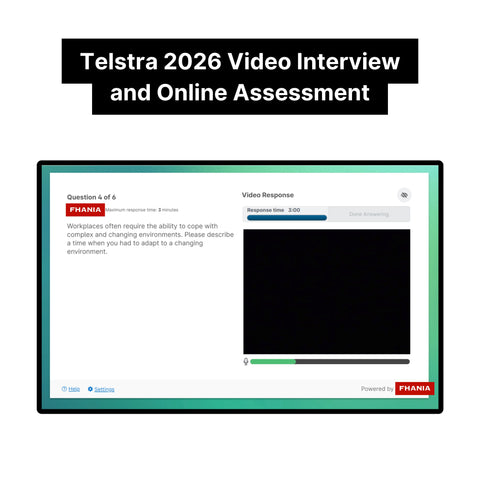
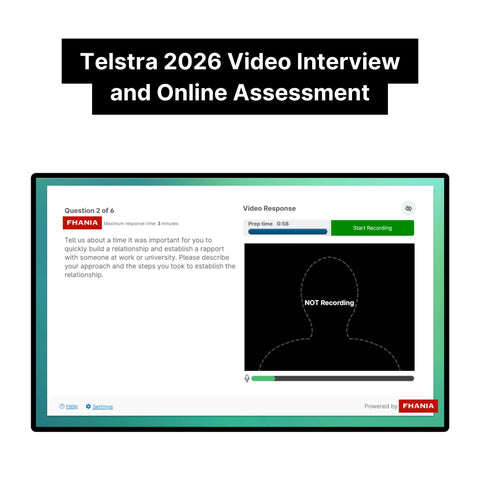
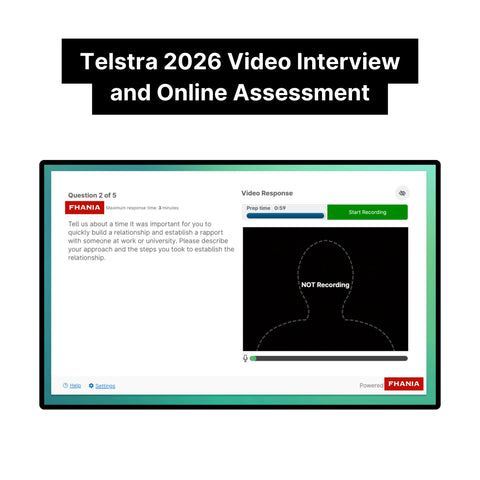
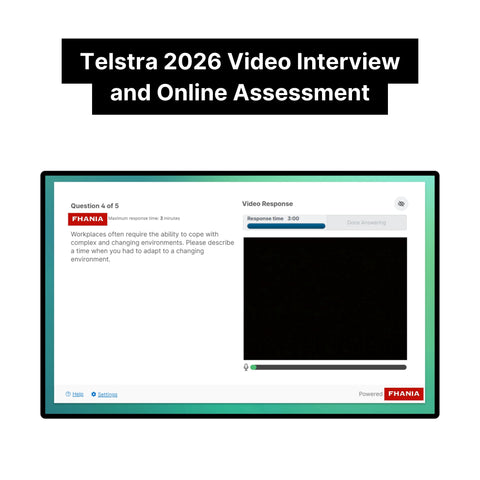
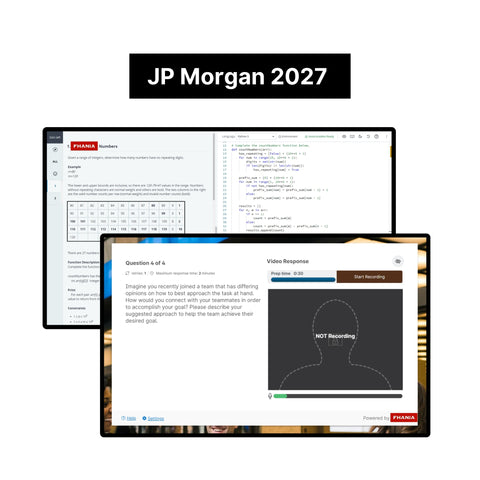
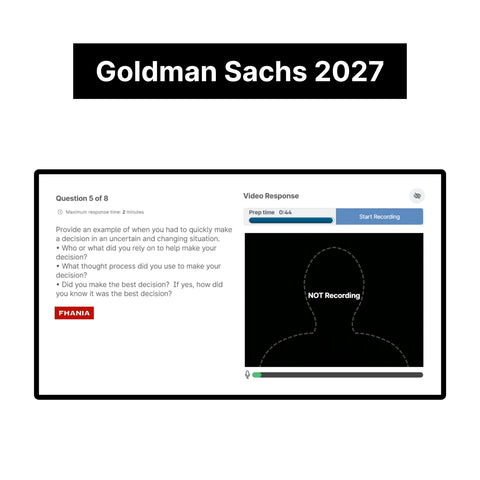
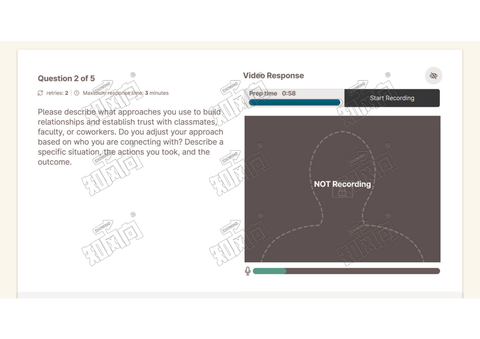
The question on screen
You are asked:
Please describe what approaches you use to build relationships and establish trust with classmates, faculty, or coworkers. Do you adjust your approach based on who you are connecting with? Describe a specific situation, the actions you took, and the outcome.
Responses that sound unconvincing
- The charisma claim: Saying people naturally trust you avoids the work of earning trust.
- The one-size method: The prompt directly asks whether you adjust to different people.
- The mind-reading claim: Explain how you learned the person's preference instead of assuming it.
- The activity-only story: Meetings and messages are actions, but they need a reason and effect.
- The vague relationship: State what changed in cooperation, candor, speed, or quality.
Show the observation behind the adjustment
Choose a moment when your normal approach did not work. In a hypothetical example, a faculty adviser might respond poorly to broad progress updates because they need clear decisions and evidence. You could switch to concise written summaries with assumptions, unresolved questions, and a proposed next step. Faster, more useful feedback would demonstrate the outcome.
- Describe your default relationship-building principles.
- Identify the signal that your first method was ineffective.
- Connect each adjustment to a specific need.
- Use the outcome to prove that trust increased.
Reliable behavior creates the foundation. Adaptation makes that reliability usable for the person in front of you.
Map examples across the assessment
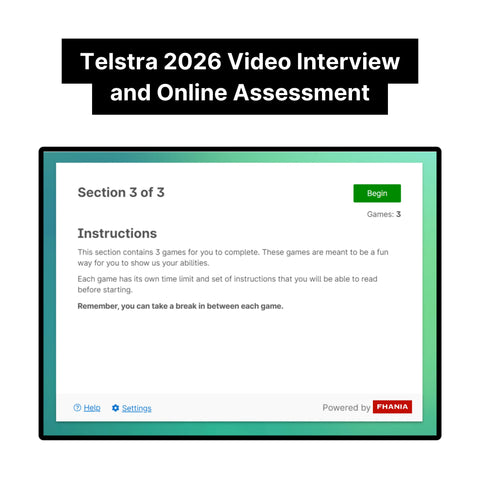
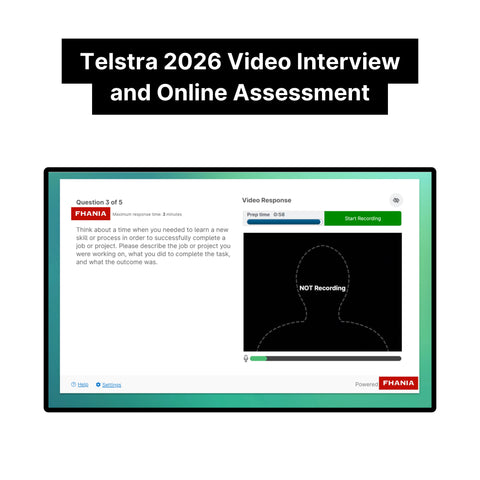
This relationship prompt is one part of the Telstra Video Interview. OfferTutoring has the complete Telstra questions so candidates can choose one precise situation for each prompt and avoid recycling the same evidence.