
The answer improves when you stop arguing that sustainability is always profitable and show how an investor tests when the connection is economically real.

The answer improves when you stop arguing that sustainability is always profitable and show how an investor tests when the connection is economically real.
The decisive part of this answer is not what you created. It is the evidence that people adopted it and performed the work better afterward.
A decision story becomes persuasive when the interviewer can see the rule you used to separate useful evidence from noise.
The hidden task is not introducing yourself. It is proving that your choices point toward this firm and this kind of work.
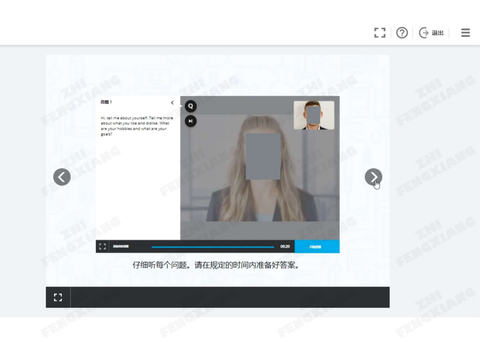
The interviewer does not need every fact about you. They need a selective, consistent answer that reveals what motivates you and where you are heading.
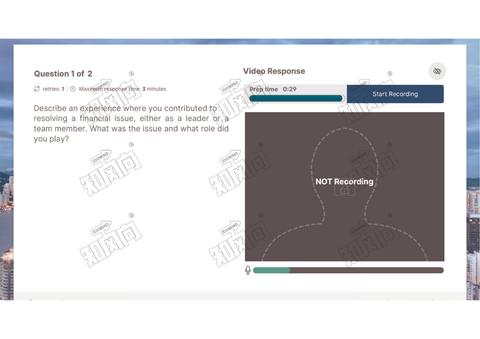
The key is ownership without exaggeration: explain the problem, isolate your contribution, and prove that the final financial result was checked.
The hard part is not choosing a news story. It is proving why that development should change expectations for particular stocks or sectors.
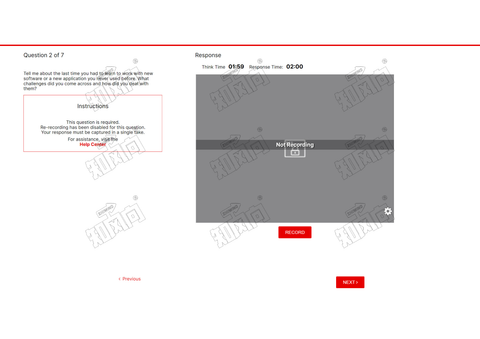
A convincing adaptability story is not about being naturally technical. It shows a repeatable way to learn, troubleshoot, and protect quality.
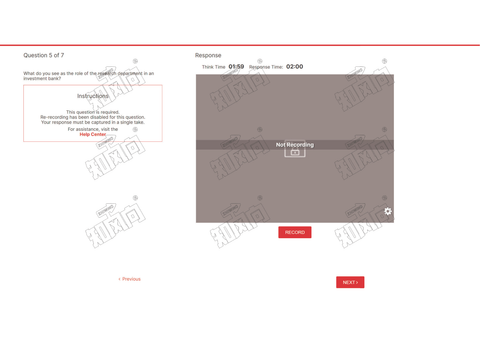
The best response moves from what analysts do to why their work matters, while keeping uncertainty, independence, and the end user in view.
The story works when the listener can see your learning system, not just your eventual competence.