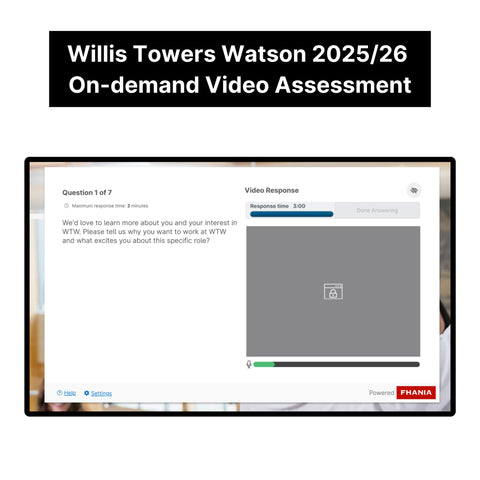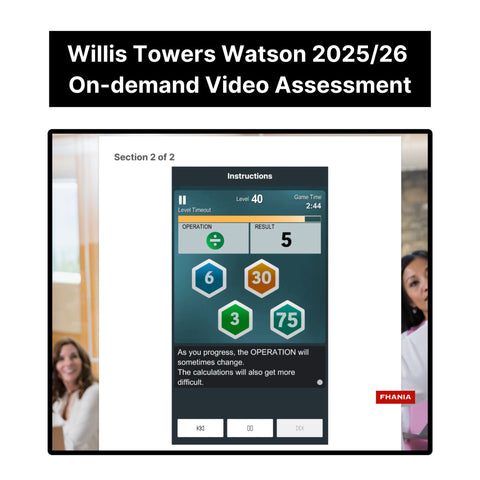


WTW Interview Questions 2027: How Do You Handle Pressure?
For this Willis Towers Watson interview question, lead with your system, then prove it: the habits that keep you effective under pressure (triage, chunking, early communication, protected recovery), one compact STAR example of the system working, and a line on your stress signals. Method, not personality claims.
Willis Towers Watson Interview Questions: What the Pressure Question Assesses
"How do you handle pressure?" is commonly reported by candidates in WTW's assessments because advisory work has intense periods — client deadlines, exam seasons, overlapping deliverables — and the firm needs people who stay effective rather than just staying busy. Interviewers are testing self-knowledge and sustainability: do you have conscious strategies, do you recognize your own stress signals, and do you protect the quality of your work when the heat rises? They are also screening out burnout patterns disguised as dedication.
Willis Towers Watson Interview Questions: How to Answer
Combine principles with proof:
- Your system (the core of the answer). Name three to four concrete habits: (1) triage immediately — list, rank by impact, and cut or defer the rest; (2) break the work into small, finishable chunks so progress is visible; (3) communicate early with stakeholders about what's realistic; (4) protect basics — sleep, breaks, a hard stop — because degraded judgment helps no one. Frame these as deliberate practices, not vague traits.
- One proof story. A compact STAR: a genuinely pressured period, your system in action, the outcome. Keep it to four or five lines — the system is the answer; the story is the evidence.
- Self-awareness close. One line on your stress signals and what you do when you notice them: "I know I'm overloaded when I start re-reading the same paragraph — that's my cue to step back and re-triage."
Example line: "Under pressure I go systematic: I list everything, rank by consequence of slipping, time-box the top items, and tell stakeholders early what's realistic. During my dissertation deadline crunch that meant cutting two nice-to-have analyses, delivering the core on time, and — because I'd protected sleep — catching an error in my final review that a tired version of me would have missed."
Common Mistakes
- Glorifying suffering. All-nighters and skipped meals signal poor management, not dedication.
- "Pressure doesn't affect me." Nobody believes this; it reads as low self-awareness.
- No system. Describing one survived crunch without extracting a method wastes the question.
Keep Reading
- bnp paribas largest common prefix
- Citi First Round Interview 2027: 2 Analysts, What They Ask
- Citi Graduate Programs 2027: Divisions Explained
FAQ
Should I admit pressure affects me? Yes — honest acknowledgment plus a management system is exactly what's being tested.
Work example or personal? Professional or academic carries more weight, but any genuine high-pressure period works.
What if I've never faced extreme pressure? Use the most pressured period you have and be honest about its scale — the system matters more than the drama.
How does this relate to actuarial exams? Exams alongside full-time work are a known pressure source — mentioning your study discipline under load is a natural fit.
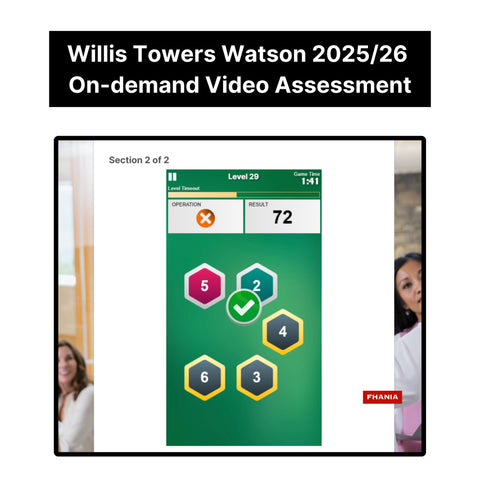
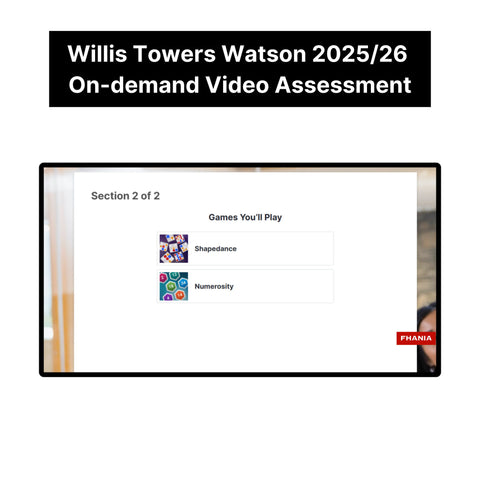
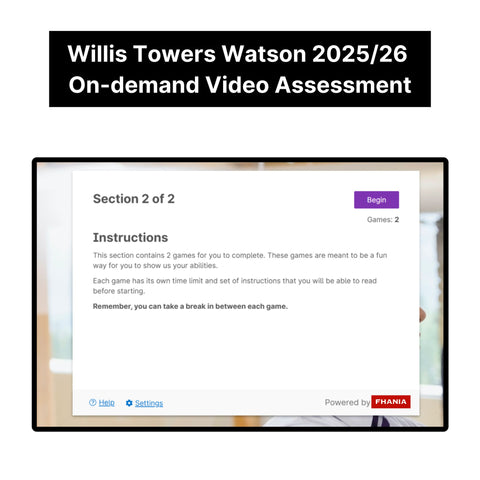
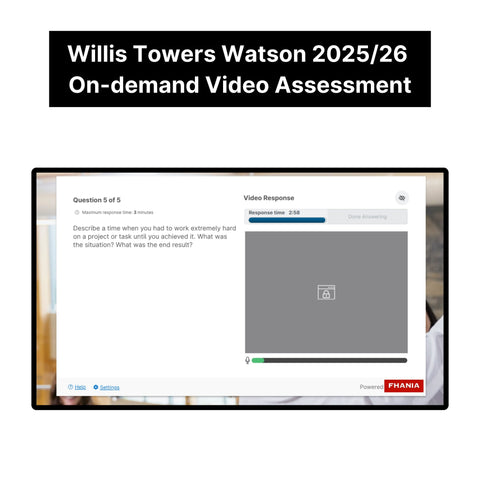
Preparing for Willis Towers Watson's interview? Our 2027 Willis Towers Watson WTW On-demand Video Assessment Exact Questions and Answers has practice questions and answers — $79 one-time, instant download.