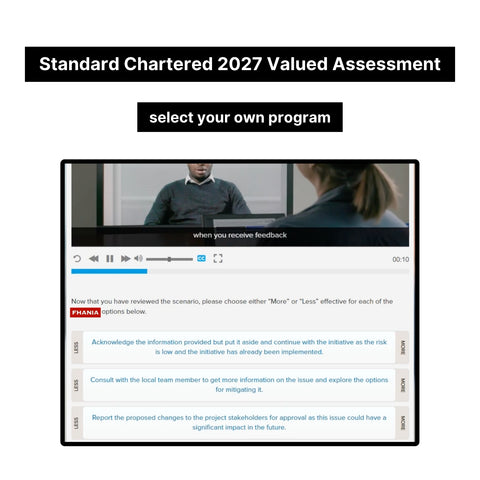
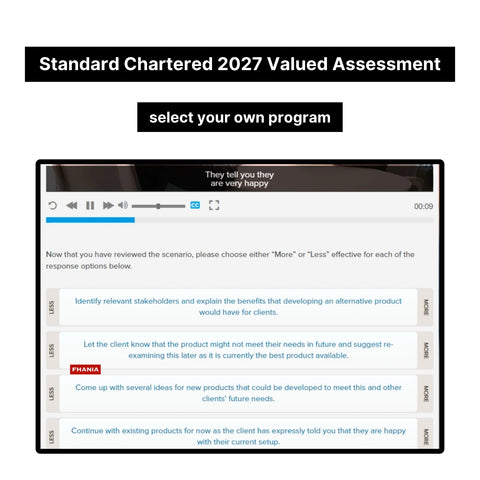
"Why This Role?" – Standard Chartered 2027 Answer
A sharp Standard Chartered why this role answer is commonly reported by candidates as a frequent Standard Chartered interview question, and the framework is seat-specific: what the role actually involves day to day, why that work matches your strengths and interests, and how it advances your trajectory. In 60 to 90 seconds, prove you understand the job beyond its title — name the work, the skills it builds, and the clients or markets it touches. “Why this role” answered with “why this bank” material is the classic miss.
What This Question Assesses
Interviewers want to confirm you are applying to a job, not a logo. They test whether you researched the actual seat — its responsibilities, its learning curve, its place in the team — and whether your motivations align with its reality. Candidates who cannot describe the day-to-day signal they will be disappointed or misallocated.
How to Answer: Standard Chartered Why This Role
- Describe the work accurately. One to two sentences on what the role does daily — the tasks, the stakeholders, the outputs — showing real research.
- Map yourself to it. Connect your strengths and proven interests to those specific demands.
- Name what you will learn. The skills and exposure the seat offers that you genuinely want — this shows you value the role for the right reasons.
- Close with trajectory. One line on how this seat fits your next few years.
Sample line: “This analyst role is fundamentally about credit analysis and client support for corporate borrowers — exactly the analytical, relationship-driven work my internship showed me I do best. I want to build deep credit judgment and sector expertise here over the next few years.”
Common Mistakes: Standard Chartered Why This Role
- Answering with bank-level material (“Standard Chartered’s EM footprint…”) instead of role-level specifics.
- Describing the wrong role’s work — proof you did not research the seat.
- No learning angle — wanting only to contribute, never to grow, sounds static.
Role-fit is where offers are quietly decided — hiring managers back candidates they can picture in the seat. A generic answer leaves that picture blank; a specific one fills it in.
Keep Reading
- morgan stanley tell me about yourself hirevue
- Standard Chartered Graduate Salary 2027: London Pay Revealed
- Standard Chartered HireVue Questions 2027: List & Answers
FAQ
How do I research the actual day-to-day?
Role descriptions, employee conversations, and the bank’s careers content. Details may vary by role and region — verify on the official careers page.
What if the role description is vague?
Infer from the team’s function and typical analyst tasks, and be honest about what you expect to learn — curiosity reads well.
Should I mention long-term goals?
Briefly, as trajectory — but keep the focus on why this seat now, not where you will exit to.
Can I express interest in rotating later?
Lightly, framed as long-term curiosity — with clear commitment to excelling in this role first.
Preparing for Standard Chartered's interview? Our 2027 Standard Chartered Pymetrics Online Assessment & Video Interview Tutorials has practice questions and answers — $79 one-time, instant download.