Telstra Interview 2027: How to Answer the Leadership and Failure Questions
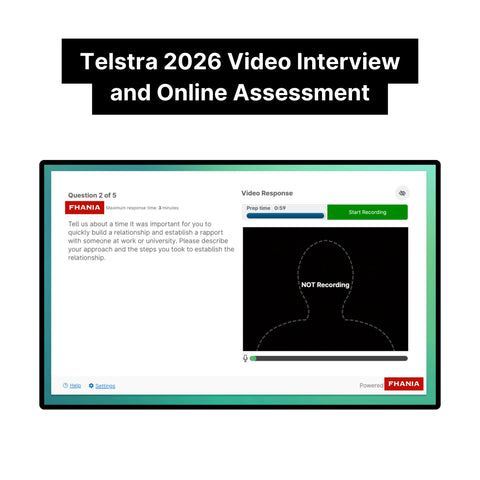
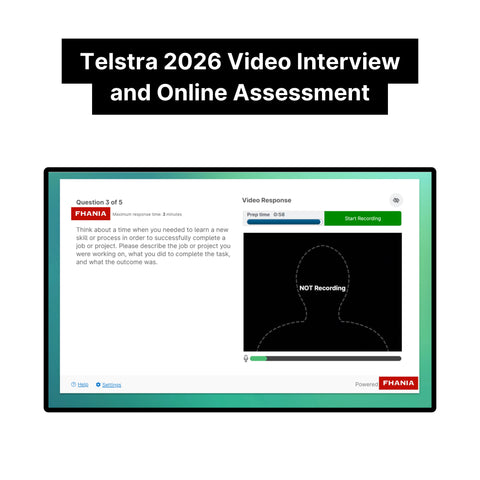
For this combined Telstra graduate engineer interview set — conflicting priorities, a leadership role, handling a non-performing teammate, and handling failures — prepare one strong STAR story per theme and link them with a consistent leadership style: clear priorities, direct communication, accountability. Interviewers are testing whether you can lead peers without authority and learn from things going wrong.
Telstra Graduate Engineer Interview: What These Questions Assess
This cluster is commonly reported by candidates in Telstra's graduate engineer interviews because it covers the full leadership arc in one go: setting direction under competing demands, stepping up to lead, dealing with difficult people, and processing failure. Assessors are testing maturity, not seniority — they know you are a graduate. What they want is evidence of ownership mentality: do you take responsibility for outcomes, communicate directly when it is uncomfortable, and convert setbacks into systems?
How to Answer These Telstra Graduate Engineer Interview Questions
Prepare four compact STAR stories with one consistent thread — your leadership approach:
- Conflicting priorities. Show a prioritization method: "I listed both demands, assessed impact and urgency with stakeholders, sequenced the work, and communicated the trade-off explicitly." Name what you deprioritized — that is the proof of judgment.
- A leadership role. Pick a real one — project lead, team captain, society officer. Emphasize what you did differently as the leader: set direction, ran effective check-ins, made the hard calls. Keep the focus on your actions, not the title.
- A team member who did not contribute. Show the direct conversation: "I spoke to them privately, asked what was going on, restated expectations clearly, and agreed on specific deliverables with a check-in date." Escalation only after a fair chance — and frame it factually, never personally.
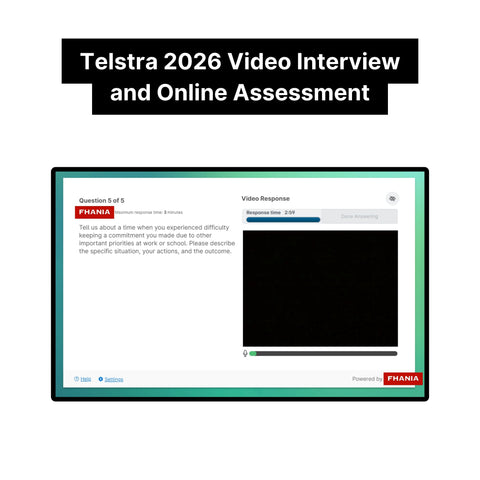
- Handling failures. Own one real failure briefly, then spend the time on the lesson and the system you built afterward — and ideally a later example proving the lesson stuck.
Example line (priorities): "With two deadlines colliding, I scored both on impact and urgency with my supervisor, put the client deliverable first, negotiated a three-day extension on the internal report with a clear rationale, and delivered both — the explicit trade-off conversation is what I'd repeat."
Common Mistakes
- Avoiding the hard conversation. Stories where the difficult teammate magically improved without you intervening lack credibility.
- Leadership as a title. Describing the role instead of your decisions misses the point.
- Failure without a system. A lesson you did not operationalize is just a story.
Keep Reading
- moelis team under pressure
- Telstra Numerical Reasoning Test: Practice Guide 2027
- Telstra Online Assessment 2027: What's Tested & How to Pass
FAQ
Can one story cover multiple questions? Sometimes — a leadership story often includes priorities and setbacks — but prepare distinct stories so you are not stretching one thin.
How senior should the leadership example be? Any real leadership counts: project teams, societies, part-time work. What matters is the decisions you made.
Should I criticize the non-performing teammate? No — describe behaviors factually and focus on your management response.
What if I have never formally led? Use informal leadership: the person who organized, mediated, or drove standards in a group.
Preparing for Telstra's interview? Our 2027 Telstra Online Assessment | Video Interview Tutorials has practice questions and answers — $79 one-time, instant download.