

RSM "Why This Role" 2027: Service Line Motivation
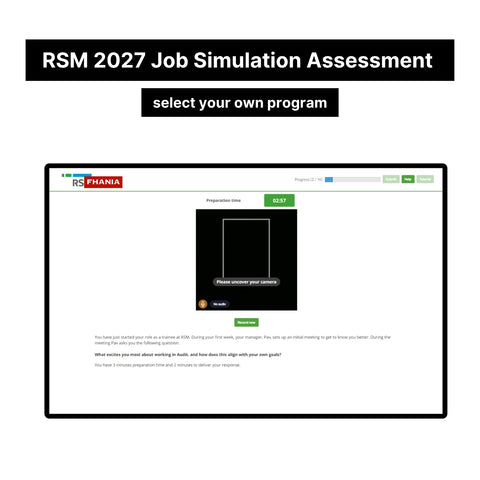
Answer the RSM "Why this role" question — "Why did you apply to this role instead of other service lines?" — by showing you understand what this service line actually does day-to-day and why that work suits you better than the alternatives. Here is how to tackle the rsm why this role question, step by step.
What the RSM Why This Role Question Assesses
This question tests informed career choice — whether you applied to this service line deliberately or clicked the first opening. It is commonly reported by candidates that firms use it to screen out scattergun applicants. The interviewer is listening for role-specific understanding: can you describe what the day-to-day work involves, and does your reasoning connect to your actual strengths and interests? Vague enthusiasm that could apply to any department fails immediately.
How to Answer the RSM Why This Role Question
Demonstrate you know the role and chose it on purpose.
- Show you understand the work: Describe what the service line does in concrete terms — the tasks, the clients, the skills it builds. This proves research beyond the job title.
- Connect it to you: Explain why this work fits your strengths and interests better than alternatives. Reference specific experiences: a project, module, or internship that revealed the fit.
- Address the alternatives respectfully: You do not need to criticise other service lines — just explain the positive pull of this one. "Tax appeals less because I am drawn to client-facing analytical work" is honest without being dismissive.
- Show forward thinking: Mention what the role builds toward — the qualification, the skills, the career direction — to show this is a considered step, not a random one.
Example line: "I applied to audit rather than tax or advisory because I want the broad business grounding audit gives — seeing how entire companies operate in my first years. My dissertation analysing financial disclosures showed me I enjoy digging into what numbers reveal about a business, and that investigative instinct is exactly what audit rewards."
Common Mistakes With the RSM Why This Role Question
- Describing the firm, not the role. Candidates commonly report answering "why RSM" when asked "why this role." The question is about the service line — stay there.
- Generic fit claims. "I am analytical and detail-oriented" fits every service line. Tie your traits to this role's specific demands.
- Admitting it was arbitrary. Even if the choice involved some pragmatism, your answer must present a genuine, reasoned preference. "It was the only opening" is disqualifying.
Service line motivation is where informed candidates separate from the crowd. A specific, experience-backed reason for choosing this role signals the maturity firms want in trainees who will commit years to qualifying.
Keep Reading
- gsk interview questions
- RSM Application Timeline 2027: From Apply to Offer
- RSM Assessment Centre 2027: What Happens on the Day
FAQ
What if I am genuinely open to multiple service lines? Pick the one you applied to and commit to the answer. Openness is fine in reality; in the interview, conviction about this role is what is being tested.
How much technical detail should I include? Enough to prove understanding — name the actual work, not just the label. You do not need to demonstrate expertise, just informed interest.
Should I mention long-term career plans? Briefly. Connecting the role to a direction (while staying open, since paths vary) shows the choice is part of a plan rather than a whim.
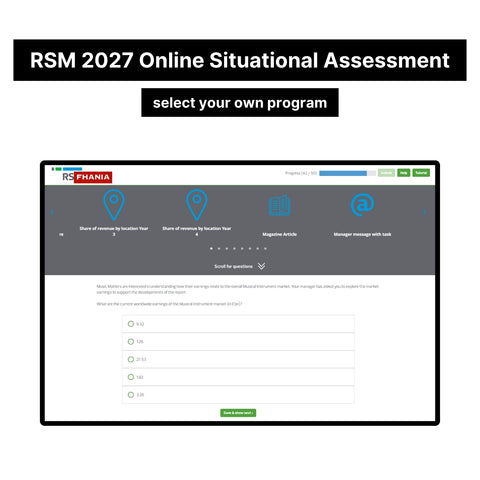
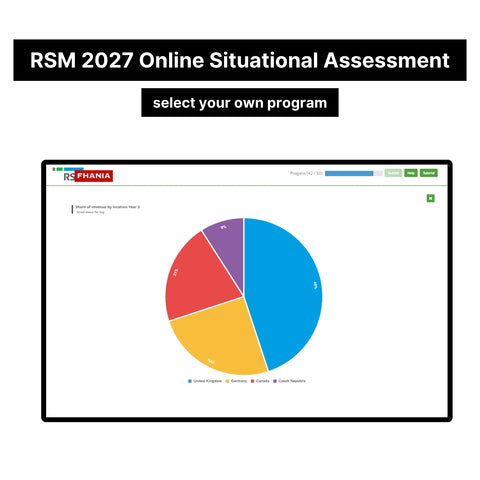
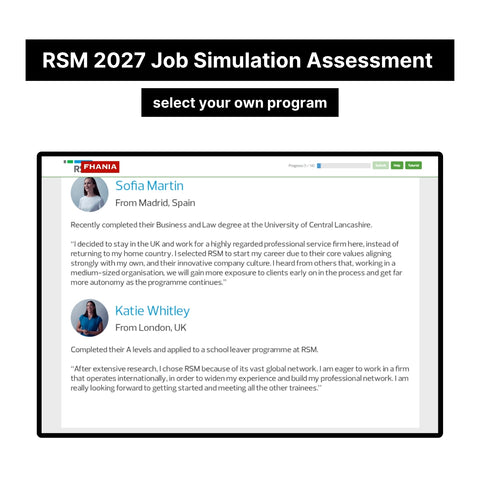
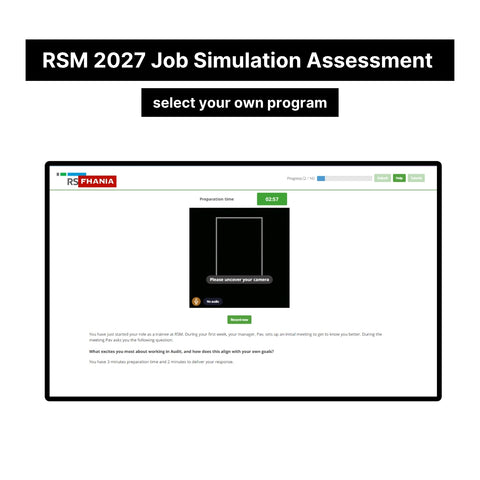
Preparing for RSM's interview? Our 2027 RSM Online Situational Assessment and Job Simulation Assessment Tutorials has practice questions and answers — $79 one-time, instant download.