RSM Quality Question 2027: Demonstrating Standards
Answer the RSM quality question "How would you ensure you consistently deliver high-quality work?" with your personal quality system — the checks, habits, and standards you apply before anything leaves your hands. Here is how to tackle the rsm quality of work question, step by step.
What the RSM Quality of Work Question Assesses
This question tests professional standards — in audit and assurance, quality is not aspirational, it is the product. It is commonly reported by candidates that firms probe this to see whether quality is a habit or a hope. The interviewer wants mechanisms, not adjectives: what do you actually do to catch errors, and what evidence shows your system holds when you are busy or tired? "I am a perfectionist" is the answer everyone gives; a described process is what gets remembered.
How to Answer the RSM Quality of Work Question
Describe a system with three layers: prevention, checking, and learning.
- Prevention — plan the work properly: Start by understanding requirements fully before beginning — clarifying ambiguous instructions, breaking work into steps, and building in time for review rather than planning to finish at the deadline.
- Checking — review before delivery: Describe your review habits: re-reading with fresh eyes, checking numbers independently, using checklists for repeatable tasks. Be specific about what you check — the method matters more than the claim.
- Learning — improve the system: Show that mistakes feed back into the process. If an error slipped through once, what check did you add? This turns quality from a trait into a practice.
- Proof: Anchor it with an example — a time your checking caught something important, or a standard you maintained under deadline pressure.
Example line: "I build review time into every plan rather than treating it as leftover, I check my own work with a fresh-eyes pass focused on the numbers, and every mistake gets added to a personal checklist. That system caught a formula error in my dissertation data two days before submission — the kind of error that would have undermined the whole analysis."
Common Mistakes With the RSM Quality of Work Question
- Answering with adjectives. "I am thorough, careful, and detail-oriented" describes everyone. The interviewer is asking how, not what.
- No mechanism for pressure. Candidates commonly report follow-ups like "what happens when you are rushed?" — have an answer: triage the checks, never skip the critical ones, communicate early if quality is at risk.
- Claiming you never make mistakes. Nobody believes it, and it suggests you do not learn. A system that catches and learns from errors is more credible than claimed perfection.
In professional services your work carries your name and the firm's reputation. Showing you already think in systems — not just intentions — tells the interviewer you will protect both.
Keep Reading
- alphasights bread process interview
- RSM Commercial Awareness 2027: What to Know Before Interview
- RSM Cover Letter & Application 2027: Tips
FAQ
Should I mention a specific mistake my system caught? Yes — it is the strongest proof. A concrete catch demonstrates the system works far better than describing it in theory.
What if my example is academic rather than professional? Fine. Rigorous academic work demonstrates the same habits — structured checking, honest error-handling — that professional quality requires.
How do I handle the "under time pressure" follow-up? Honestly: prioritise the highest-risk checks, communicate proactively if the timeline threatens quality, and never silently lower the bar. Firms respect that judgement.
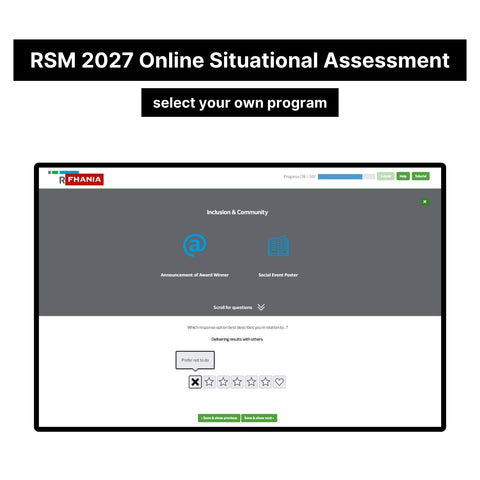
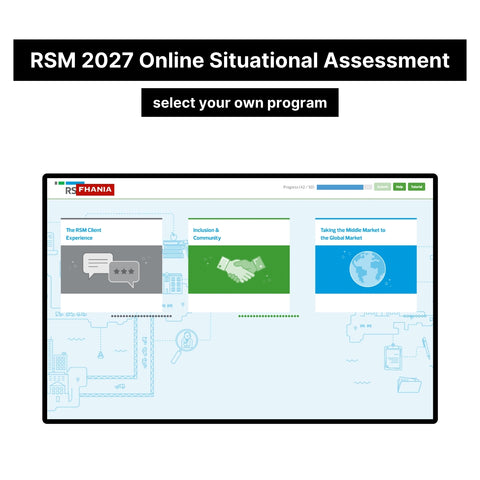
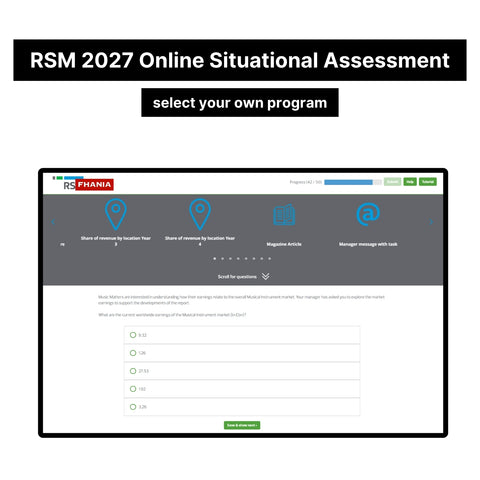
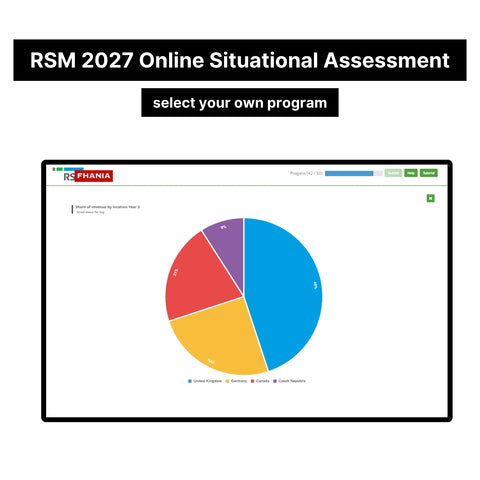
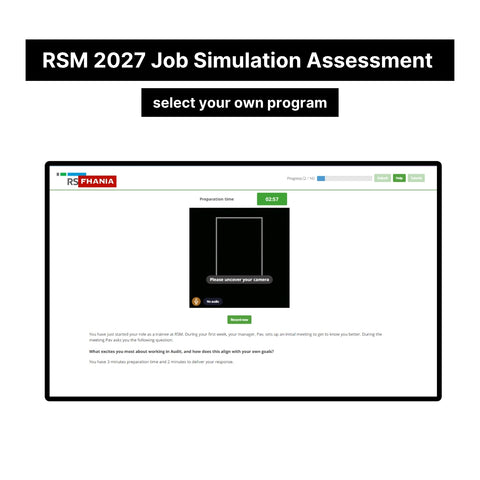
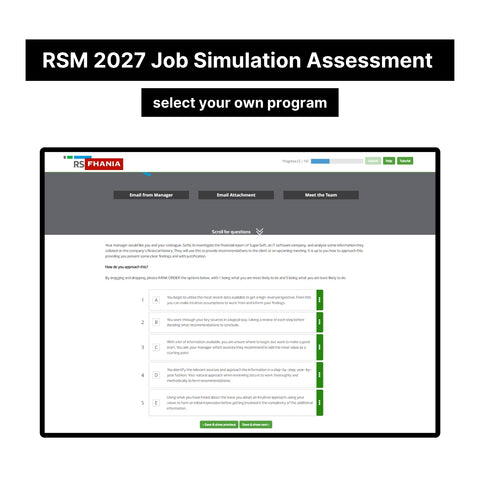
Preparing for RSM's interview? Our 2027 RSM Online Situational Assessment and Job Simulation Assessment Tutorials has practice questions and answers — $79 one-time, instant download.