RSM Group Assessment 2027: Presentation & Teamwork Tips
The RSM group assessment is the collaborative exercise at RSM's assessment centre for the 2027 intake — typically a team case study followed by a group presentation. You are assessed alongside competing candidates, which makes the RSM group assessment uniquely tricky: stand out without steamrolling, contribute without disappearing. Both extremes get cut.
What Happens in the RSM Group Assessment
You join a small group of fellow candidates given a business scenario — often a client-style problem with data to analyse and a recommendation to make. The group gets limited prep time to discuss, divide work, and agree a position, then presents to assessors, sometimes with questions after.
Assessors do not score the "right" business answer. They score behaviours: listening, building on ideas, time management, handling disagreement, contributing analysis. The best individual insight that alienates the group fails. Saying little but smiling fails too. The pass zone is active, constructive collaboration.
RSM Group Assessment: Teamwork Tips
- Speak early, lightly. A substantive point in the first minutes establishes you as a contributor — a clarifying question or suggested structure counts.
- Build, don't battle. "Building on that, we could also consider..." scores. Interrupting or dismissing scores against you, even when you are right.
- Manage the process, not the people. "Let's spend ten minutes on analysis, then decide" is leadership without dominance.
- Bring quiet people in. "What do you think?" to a silent teammate shows exactly the client-facing behaviour RSM wants.
- Handle disagreement professionally. Acknowledge the other view, test it against the data, move to a decision. Deadlock looks worse than compromise.
RSM Group Assessment: Presentation Tips
- Volunteer for a section, not the whole show. Presenting one part well beats hogging the presentation.
- Structure beats content. Open with the recommendation, support with two or three reasons, close with next steps. Assessors forgive thin analysis, not rambling.
- Watch the clock. Agree time allocations beforehand and stick to them. Running over steals teammates' time.
- Answer questions as a team. Answer questions on your section; let teammates answer theirs. Jumping in on everything looks insecure.
Time is deliberately tight. Groups that prioritise and deliver a coherent story beat groups that chase completeness and collapse. Practise case discussions aloud with friends, and know RSM's business well enough to drop relevant context into discussion naturally.
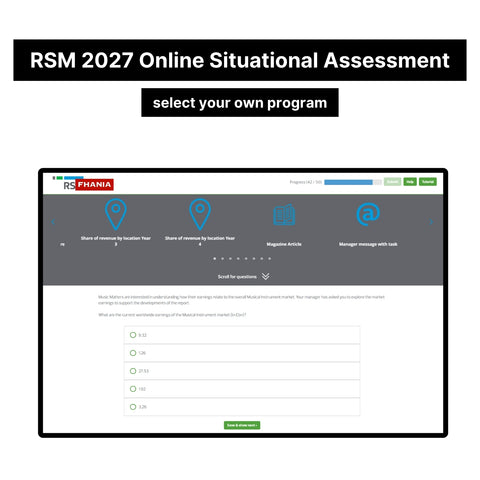
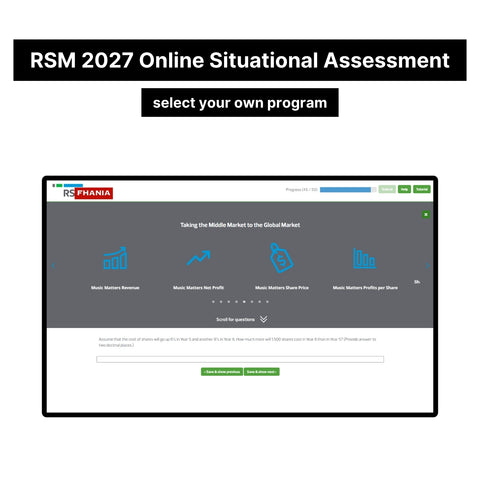
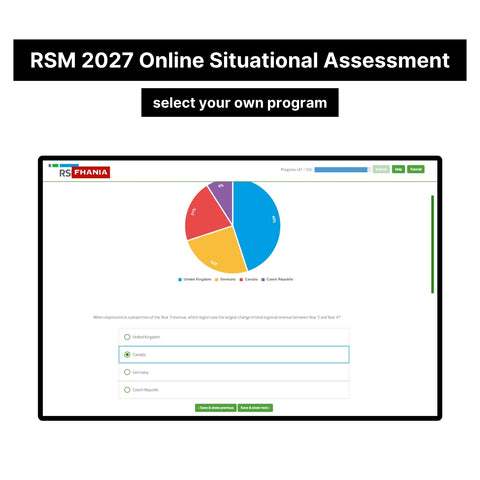
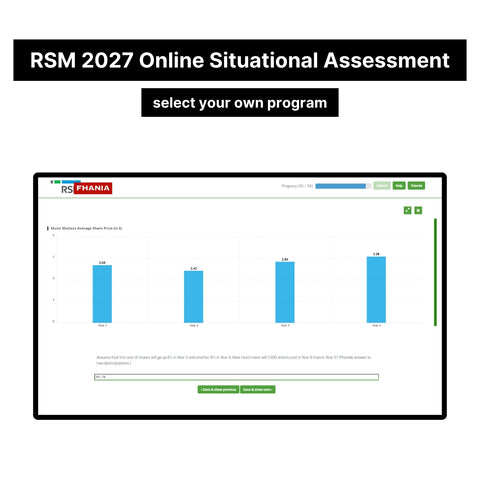
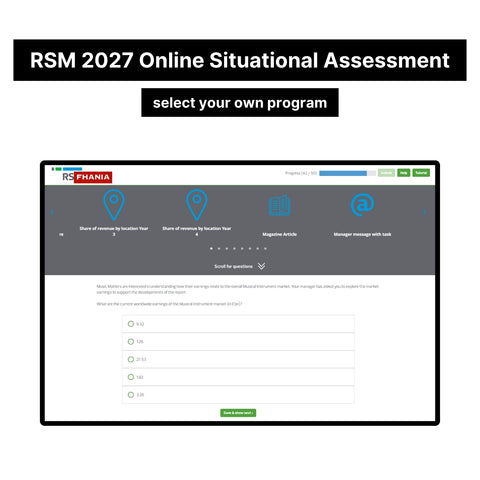
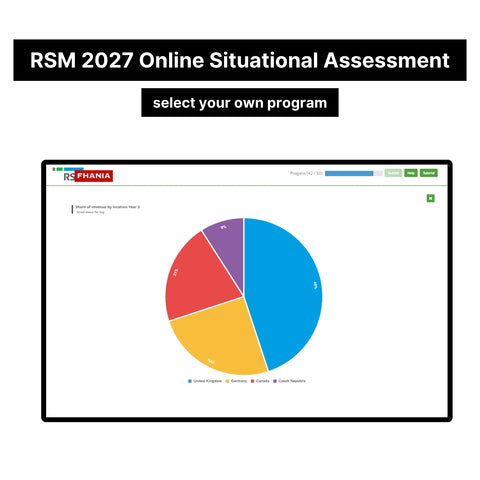
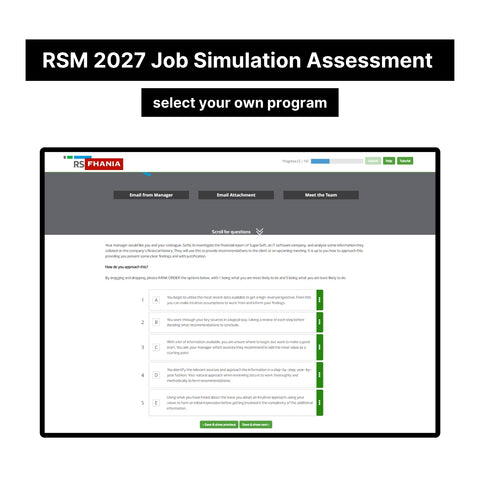
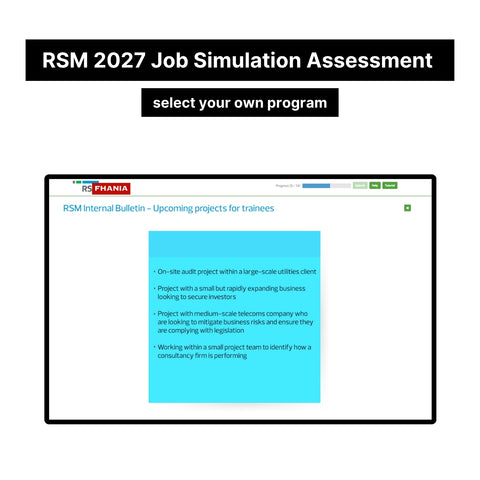
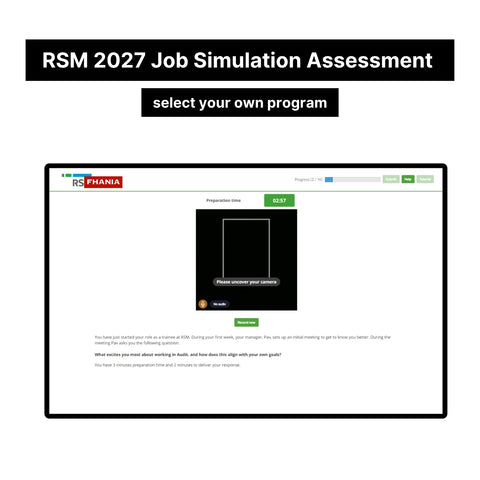
Our 2027 RSM Online Situational Assessment and Job Simulation Assessment Tutorials covers the earlier online stages with exact questions and answers; reaching the assessment centre means those filters are behind you — make the preparation count. $79 one-time, instant download.
The exercise punishes both the dominator and the ghost, and most candidates are one or the other under pressure. The narrow pass zone — visible, constructive, generous — is a skill, not a personality trait. Practise it before the day. The 2026 application season for the 2027 intake is live; check RSM's official careers page for exact dates and deadlines.
FAQ
Should I try to be the leader? Lead through process and ideas, not by taking charge. Facilitation scores; domination does not.
What if someone dominates the discussion? Do not fight for airtime. Contribute sharp, well-timed points and support quieter members — assessors reward the contrast.
Does the business answer need to be correct? Rarely a single right answer exists; assessors score how the group reasons, decides, and presents together.
Preparing for RSM's Assessment Centre (Group)? Our 2027 RSM Online Situational Assessment and Job Simulation Assessment Tutorials has the exact questions and answers — $79 one-time, instant download.