Millennium Software Engineer Interview: Coding Rounds
The Millennium software engineer interview runs multiple coding rounds at a high bar: algorithms, data structures, and system design, often with finance-flavored twists. Engineers at a multi-manager fund build low-latency trading systems, so the interview tests code that is correct and fast. Here is what the coding rounds look like.
What the SWE Coding Rounds Cover
Expect two to three live coding rounds. The Millennium software engineer interview opens with algorithms and data structures — dynamic programming, graphs, heaps, and hash-based design — at LeetCode hard-adjacent difficulty. Later rounds add system design: design a low-latency order pipeline, a market data feed handler, or a risk-checking service. Interviewers care about complexity analysis, edge cases, and trade-offs; "it works" is not enough when microseconds matter.
What the Coding Rounds Assess
They assess production-grade engineering instincts: can you write correct code quickly, reason about performance under pressure, and design systems that survive real market conditions. The Millennium software engineer interview also probes your knowledge of concurrency, memory management, and networking fundamentals — the building blocks of trading infrastructure. Behavioral questions run in parallel: teams want engineers who take ownership and handle direct feedback without drama.
How to Prepare for the Coding Rounds
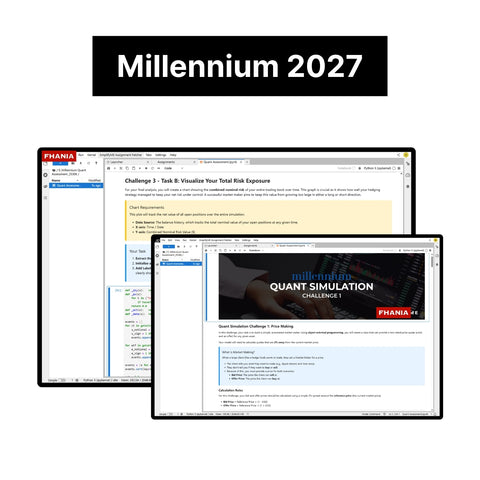
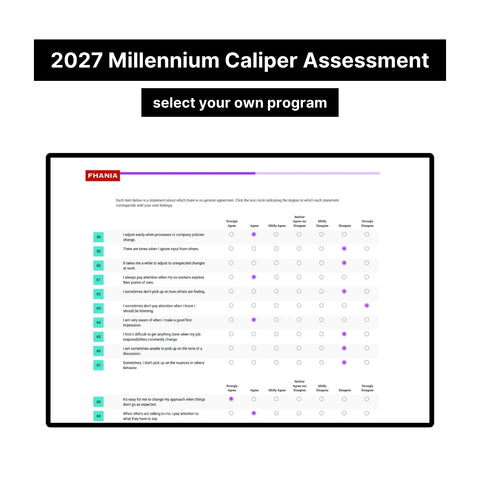
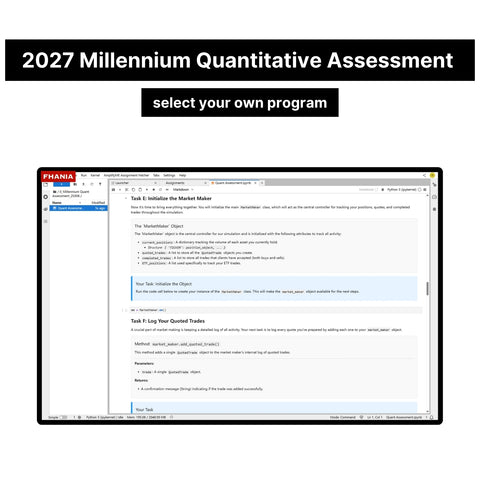
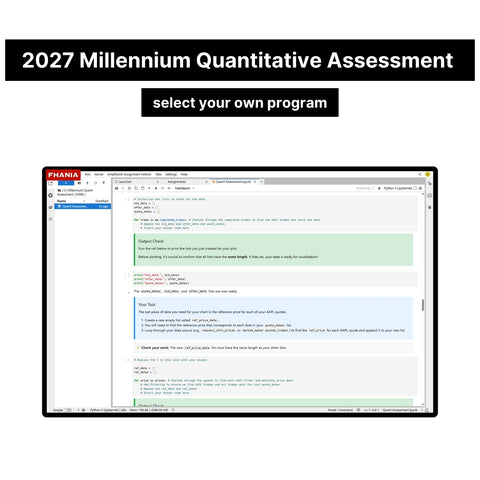
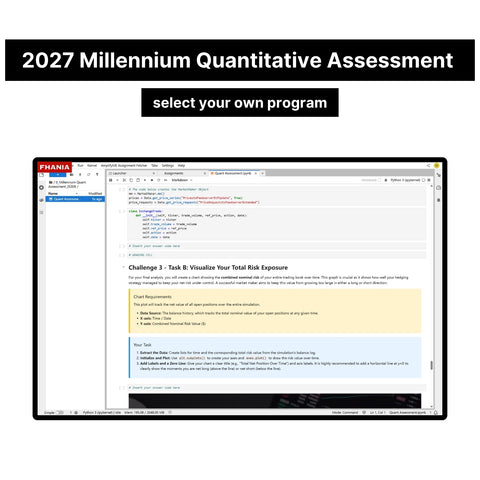
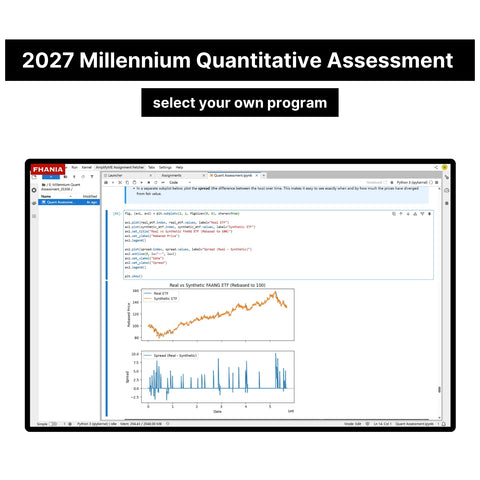
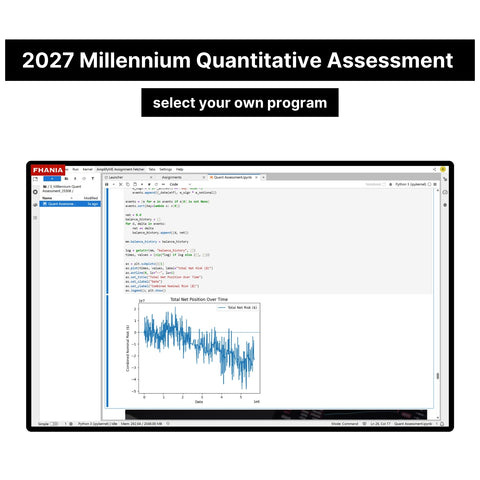
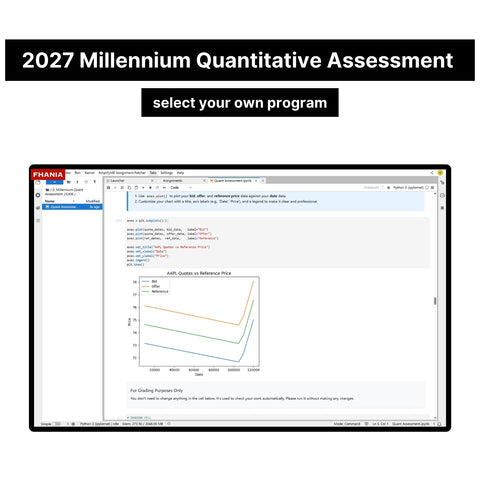
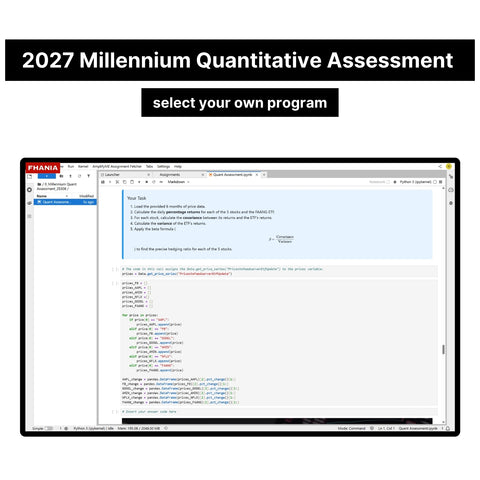
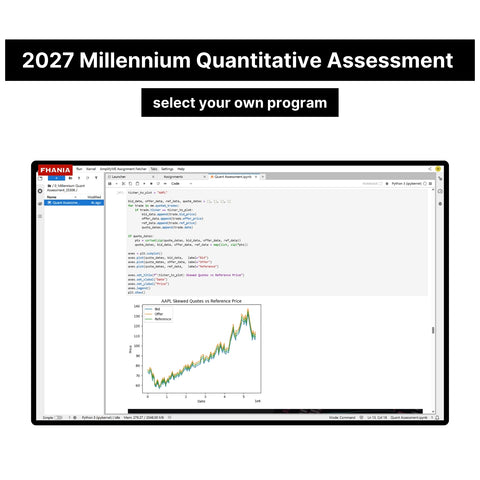
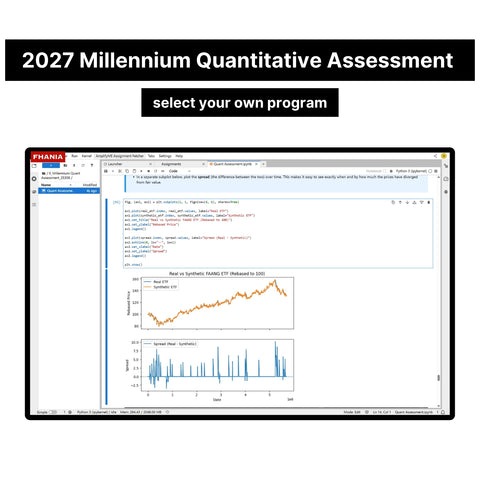
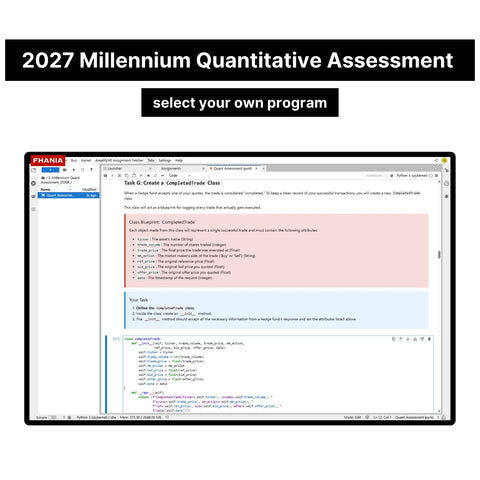
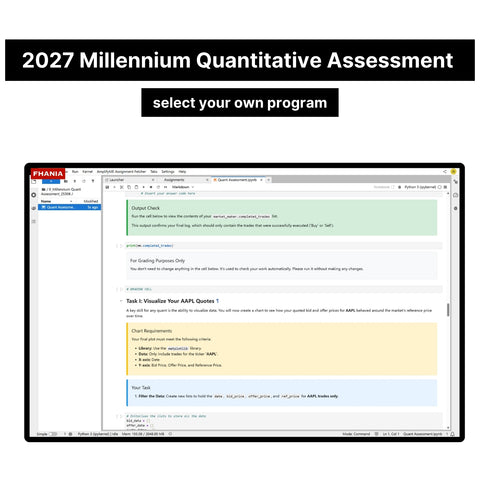
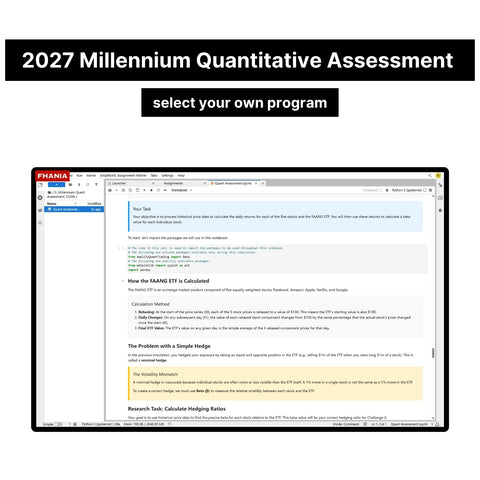
Drill algorithms daily with a timer and a hard cutoff — if a hard problem takes you 45 minutes in practice, it will take longer live. Study system design for low-latency systems specifically, not generic web apps. And do not neglect the assessment screens that come first: the Caliper test filters engineers too, and many strong coders get eliminated before ever touching a coding round. Our 2027 Millennium Caliper Assessment and Quantitative Assessment Exact Questions and Answers covers the exact Caliper questions and answers plus the quantitative assessment formats that gate the process — $79 one-time, instant download. Passing the early filters is what gets your code in front of an interviewer.
The FOMO Angle: Hard Problems, No Warm-Up
The coding rounds start at hard and stay there. Candidates who practiced mediums walk in and freeze on the first dynamic programming problem while the interviewer watches silently. There is no easy warm-up round, no partial-credit culture — you either produce working, optimized code on the clock or you do not move forward. Check the official careers page for the 2027 intake and start drilling at the real difficulty now, not after the recruiter email arrives.
FAQ
How hard is the Millennium software engineer interview? Hard — algorithms at LeetCode hard-adjacent difficulty plus low-latency system design.
What languages can I use in the coding rounds? Typically your choice of common languages (Python, C++, Java); confirm with your recruiter.
Does Millennium ask system design for all SWE roles? System design appears for most experienced and infrastructure roles; junior rounds lean heavier on algorithms.
Is LeetCode enough to prepare? It builds the base, but you also need timed practice, finance-flavored problems, and the early assessment screens covered in our guide.
Preparing for Millennium's Caliper assessment? Our 2027 Millennium Caliper Assessment and Quantitative Assessment Exact Questions and Answers has the exact questions and answers — $79 one-time, instant download.