RSM Behavioural Questions 2027: STAR Examples
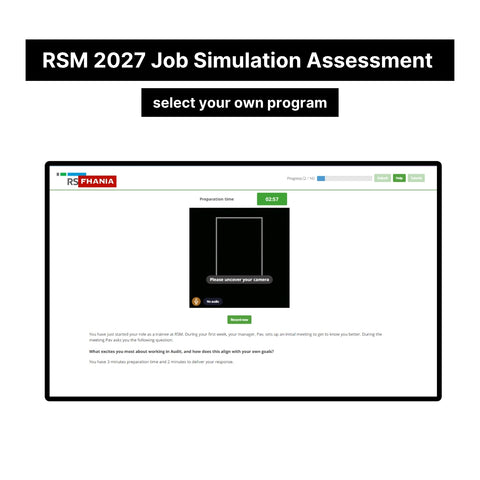
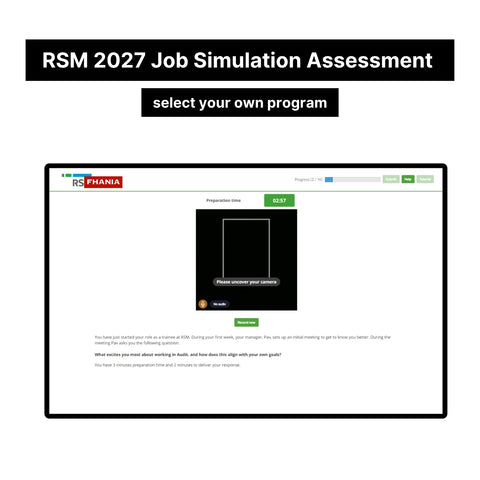
RSM behavioural questions — "tell me about a time when..." — are the core of the video interview for the 2027 intake. They assume past behaviour predicts future performance: your stories are your evidence. Candidates with great experiences still fail RSM behavioural questions because they ramble; candidates with ordinary experiences pass because they use STAR.
The RSM Behavioural Questions You'll Face
Prepare STAR examples for each of these and you cover nearly every RSM behavioural question asked:
- Teamwork: "Describe a time you worked in a team to achieve a difficult goal."
- Leadership: "Tell us about a time you led a team or project."
- Time management: "Describe a time you managed multiple competing deadlines."
- Problem-solving: "Tell us about a difficult problem you solved."
- Resilience: "Describe a time you failed or faced a setback."
- Communication: "Tell us about a time you explained something complex."
Two or three well-chosen stories can cover the whole list if each demonstrates multiple competencies. A group project with a crisis can answer teamwork, leadership, time management, and resilience depending on the angle you emphasise.
STAR Examples: What Good Looks Like
STAR means Situation, Task, Action, Result — but most candidates get the proportions wrong:
- Situation (10–15%): one or two sentences. "Our four-person dissertation group lost a member three weeks before submission."
- Task (10%): your specific responsibility. "I volunteered to redistribute the work and keep us on schedule."
- Action (50–60%): the bulk — concrete steps in sequence. "I mapped the remaining work, reassigned sections by strength, set twice-weekly check-ins, and told our supervisor the revised plan before she asked."
- Result (15–20%): measurable outcome plus reflection. "We submitted on time and averaged a 2:1. I learned to surface problems early."
The classic failure: 80% situation — three minutes of background, thirty seconds of what you did. Assessors score actions, not context. And "it went well" is not a result; "we submitted two days early" is.
How to Prepare for RSM Behavioural Questions
Write out three strong stories, map each to the question list, rehearse each in 90 seconds, and record yourself. If your situation takes longer than 20 seconds, cut it.
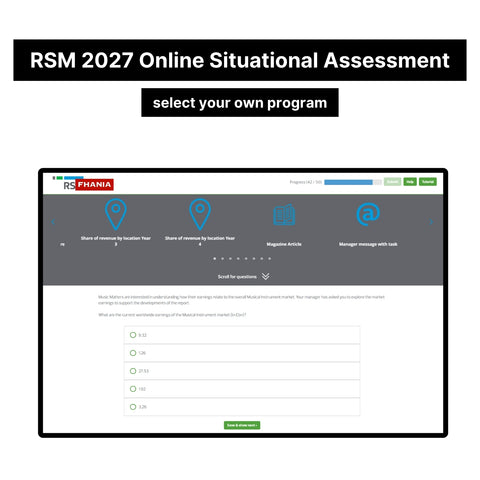
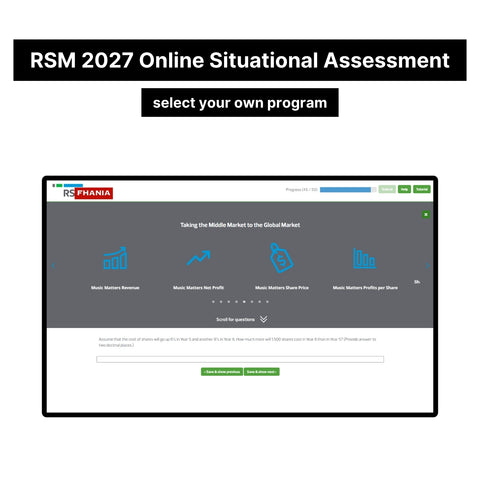
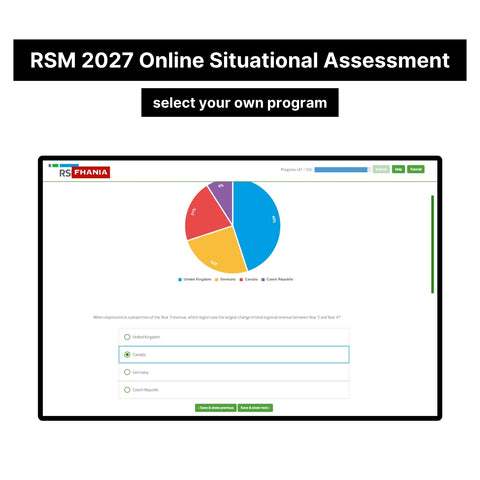
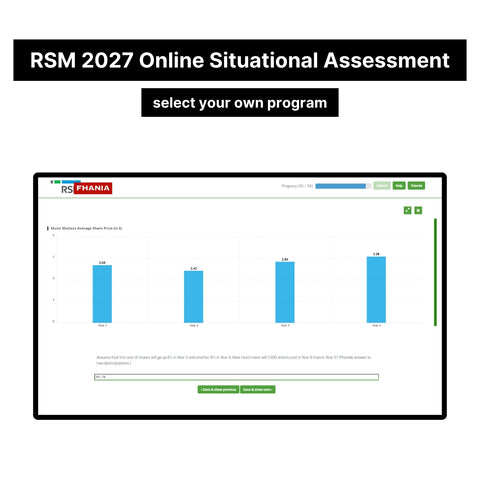
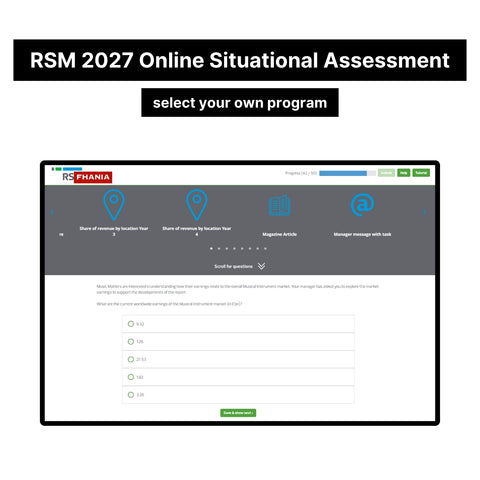
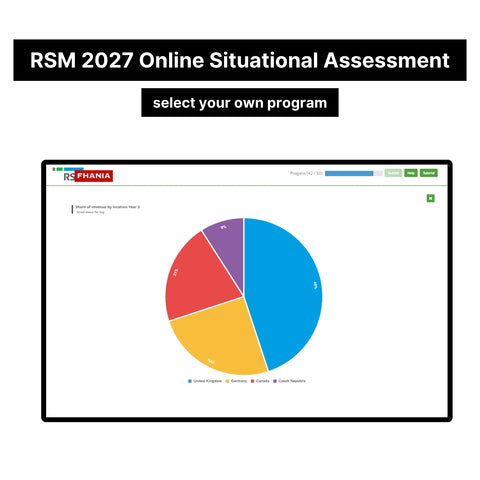
Our 2027 RSM Online Situational Assessment and Job Simulation Assessment Tutorials includes model STAR answers for every RSM behavioural question, showing exactly how much weight each element gets. $79 one-time, instant download.
A great story without structure is just anecdote — and anecdotes do not score. The assessor is ticking boxes for specific competencies; STAR hands them the ticks. Learn the structure, or watch better-prepared candidates take offers with weaker stories. The 2026 application season for the 2027 intake is live; check RSM's official careers page for exact dates and deadlines.
FAQ
Can I reuse one story for multiple questions? Yes — angle the same story toward different competencies. Just do not use the identical story twice in one interview.
What if I lack work experience? University projects, societies, volunteering, and part-time jobs all work. The competency matters, not the setting.
How long should each answer be? 60–90 seconds recorded. Longer answers lose structure and the assessor's attention.
Preparing for RSM's Video Interview (Behavioural)? Our 2027 RSM Online Situational Assessment and Job Simulation Assessment Tutorials has the exact questions and answers — $79 one-time, instant download.