

Houlihan Lokey Accounting Questions 2027: EBITDA, Accruals & 3 Statements
Houlihan Lokey accounting interview questions EBITDA candidates face test whether you can move between the three financial statements and adjust earnings like a valuation professional. The core: walking the statements, defining and adjusting EBITDA, handling accruals. These "easy" questions eliminate candidates daily — at the valuation firm, shaky accounting means shaky everything.
What Houlihan Lokey Accounting Interview Questions EBITDA Rounds Cover
Houlihan Lokey accounting interview questions EBITDA sections in the 2027 intake focus on practical valuation accounting. Expect: "Walk me through the three financial statements," "What is EBITDA and why do we use it," "How does a $10 depreciation increase flow through," and "How do you treat accrued expenses in a valuation?" The interviewer wants mechanical fluency — trace any change through all three statements without pausing.
Houlihan Lokey Accounting Interview Questions EBITDA Adjustments You Must Know
The three statements, linked. Net income flows into retained earnings and starts the cash flow statement. Depreciation: net income falls by $10 × (1 − tax rate) after the tax shield, PP&E falls, and it's added back on the cash flow statement — net cash effect is just the tax savings. Know this walk cold; it's the most asked accounting question in banking.
EBITDA — and its adjustments. EBITDA ≈ operating cash earnings before financing, tax, and non-cash decisions. But HL pushes further: "What would you adjust?" Add back one-timers, above-market owner comp, non-cash charges beyond D&A; normalize off-market contracts. Adjusted EBITDA is what multiples actually apply to — know reported vs. adjusted.
Accruals. Accrued expenses hit earnings before cash is paid, sit as liabilities, and reverse on payment. In valuation, normalize working capital for abnormal accruals so you're valuing sustainable operations, not timing quirks. "Why does EBITDA differ from cash flow?" — working capital changes, capex, taxes paid vs. accrued: have it ready.
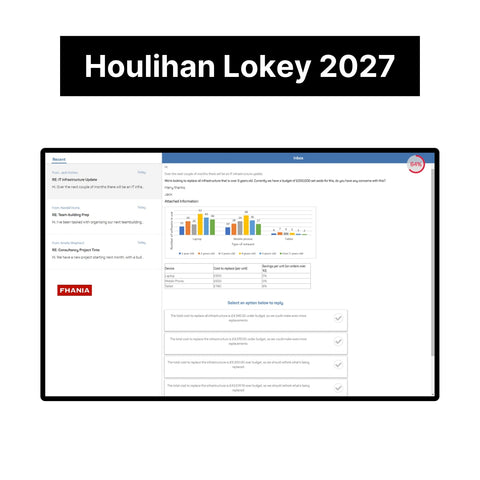
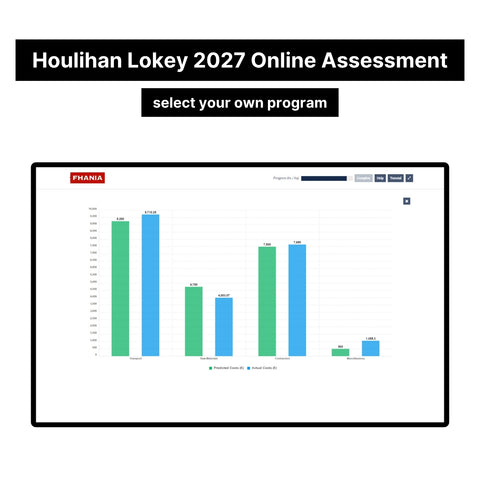
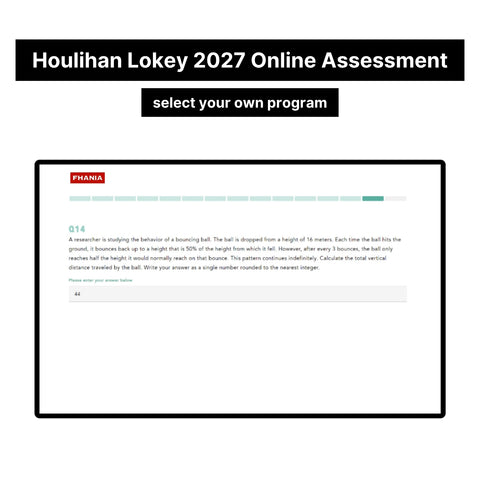
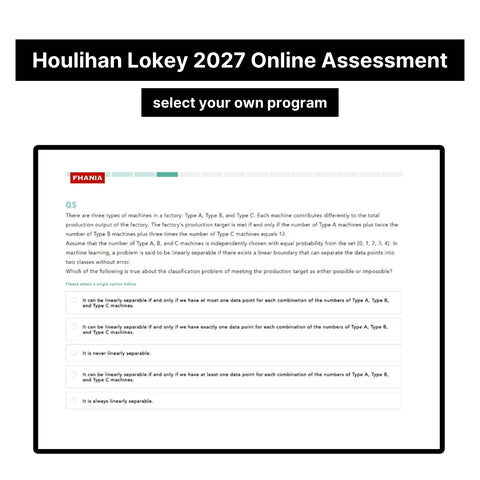
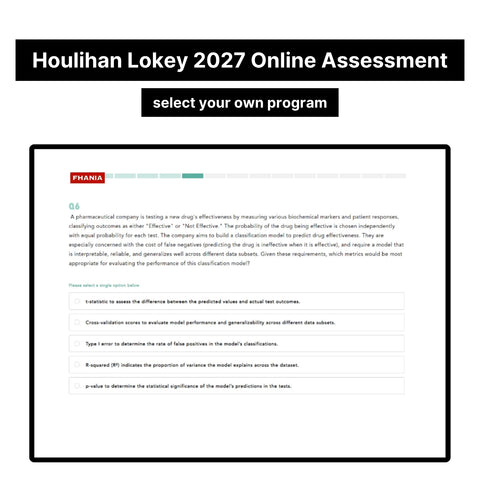
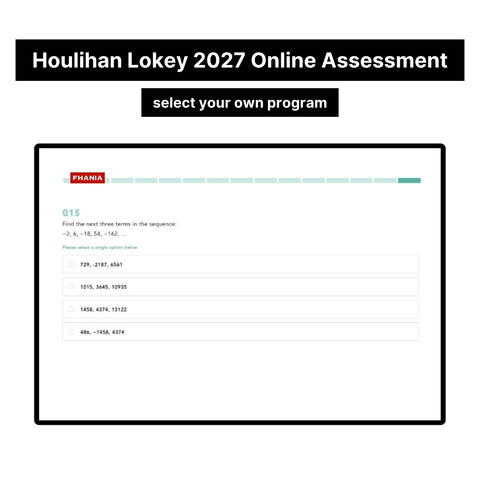
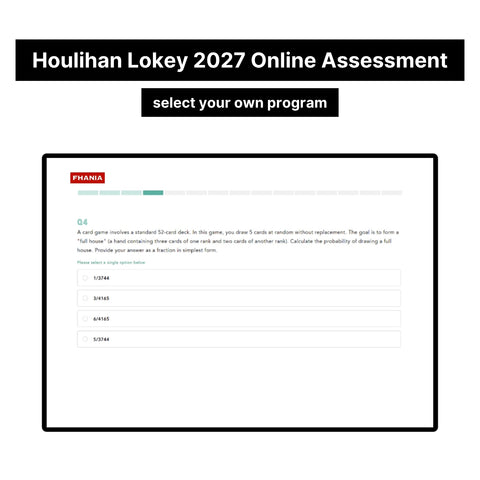
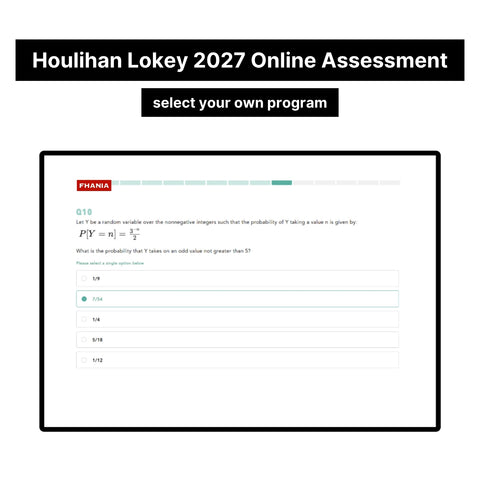
Our 2027 Houlihan Lokey Online Assessment Exact Questions & Answers has the exact accounting questions HL asks with model answers for the 2027 intake.
Getting Stuck on Accruals Gets You Stuck, Period
Accounting questions are supposed to be free points — which makes missing them catastrophic. An interviewer who watches you fumble a depreciation walk doesn't think "nervous"; they think "can't be trusted with a model." At the valuation firm, accounting fluency is assumed the way literacy is assumed. Check HL's official careers page for 2027 intake timing in your region, and drill these until they're reflex.
FAQ
What is EBITDA and why is it used? A proxy for operating cash earnings before financing, tax, and non-cash decisions — for comparing companies with different capital structures.
How does depreciation affect the three statements? Income: net income falls by depreciation × (1 − tax). Balance sheet: PP&E and retained earnings fall. Cash flow: added back; net cash rises by the tax shield.
What are accruals and why do they matter? Accruals recognize revenue/expenses before cash moves. Normalize them so valuation reflects sustainable operations, not timing differences.
What EBITDA adjustments do you make? Add back non-recurring items, excess owner comp, non-cash charges; adjust for non-market contracts and accounting policy differences across comps.
Preparing for Houlihan Lokey's Accounting Technicals? Our 2027 Houlihan Lokey Online Assessment Exact Questions & Answers has the exact questions and answers — $79 one-time, instant download.