

Citi vs Standard Chartered vs: Which Should You Apply To in 2027
Stuck on Citi vs Standard Chartered vs for 2027? Here is the quick take: Pick Citi if you want a global bulge-bracket platform, especially in markets or investment banking. Pick Standard Chartered if Asia, Africa, and the Middle East excite you, and you want a bank where emerging markets are the core business, not a side show.
Interview Process: Citi vs Standard Chartered vs
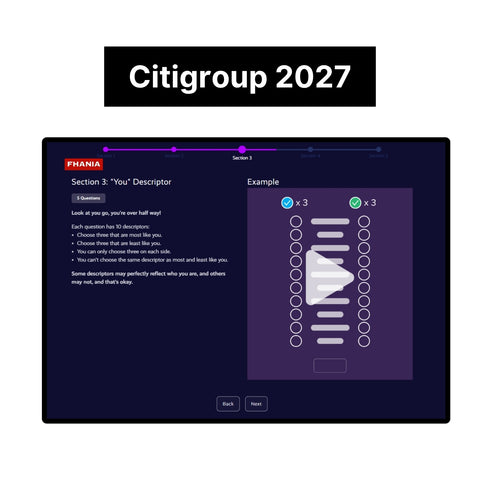
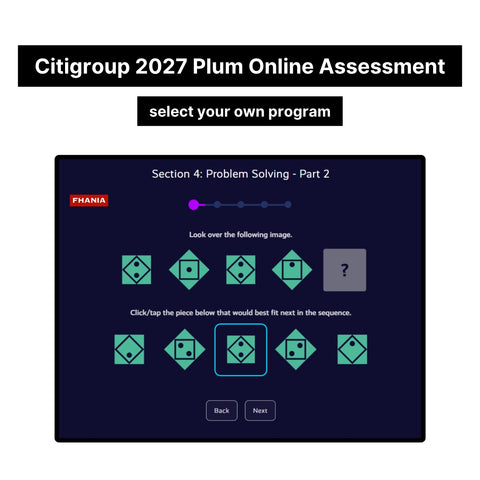
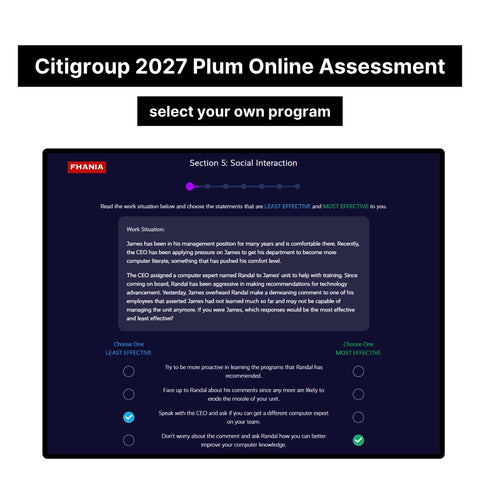
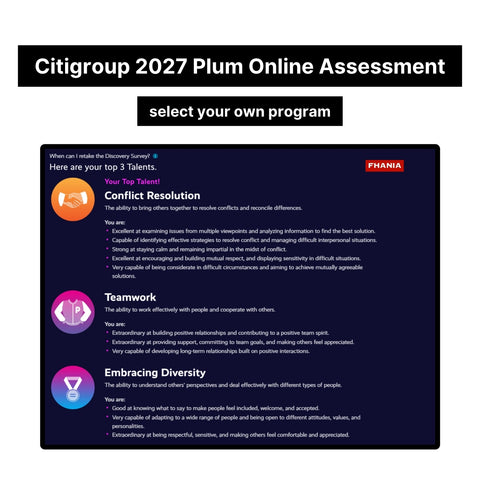
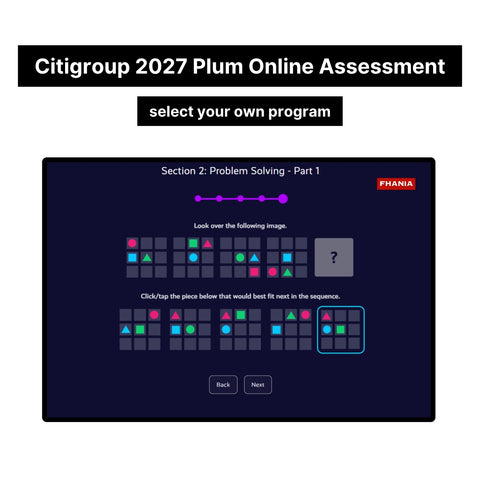
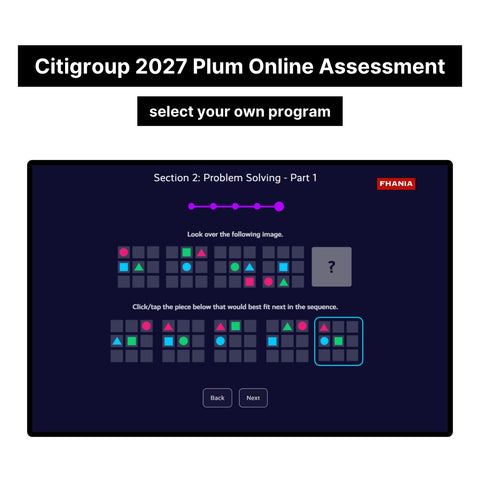
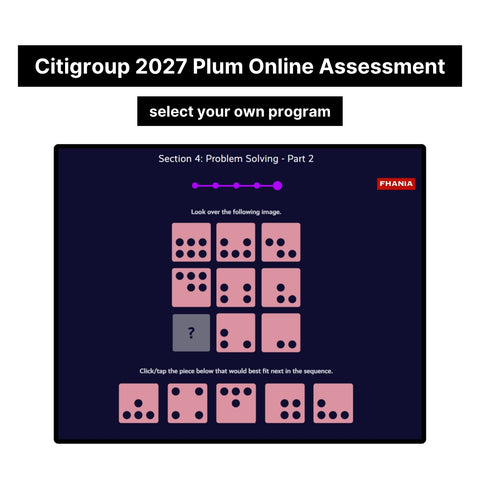
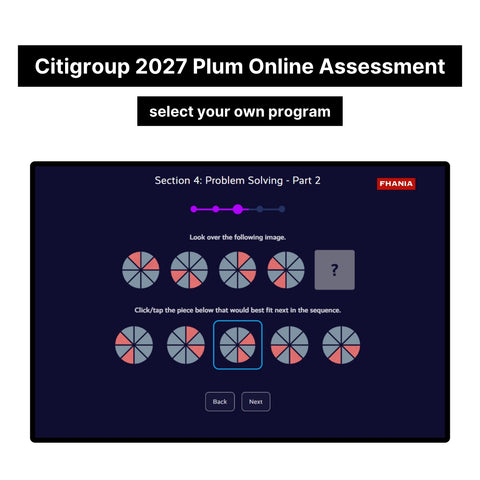
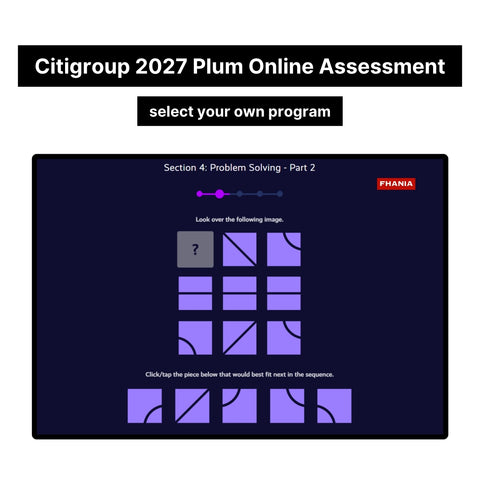
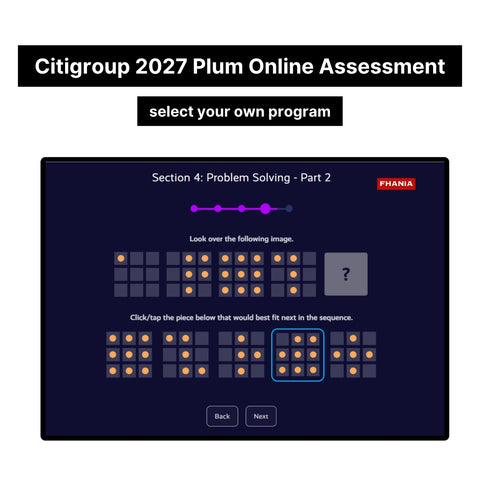
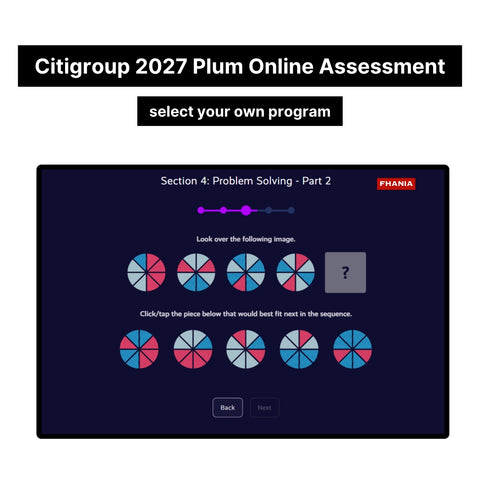
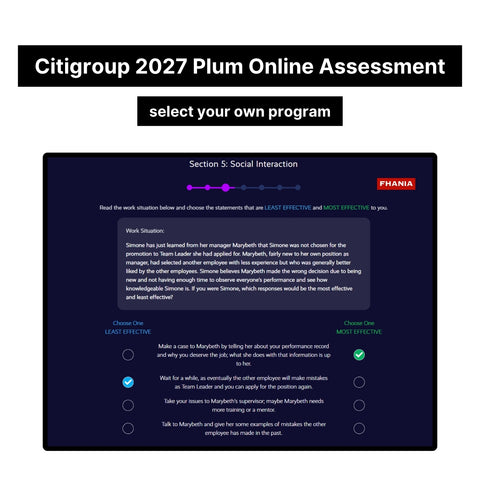
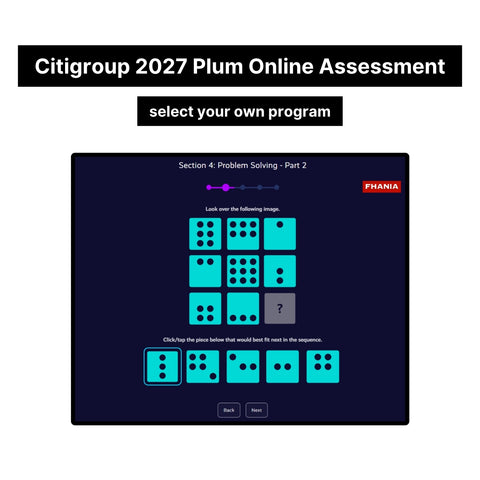
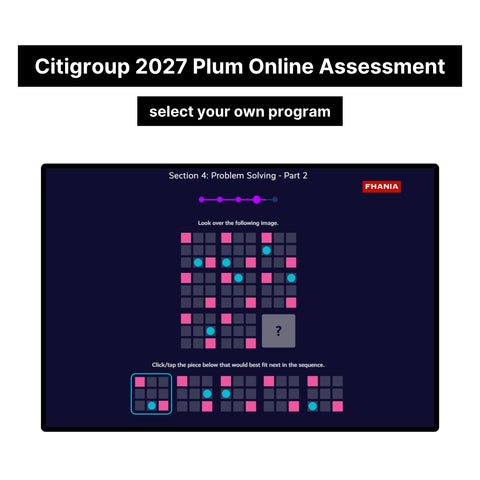
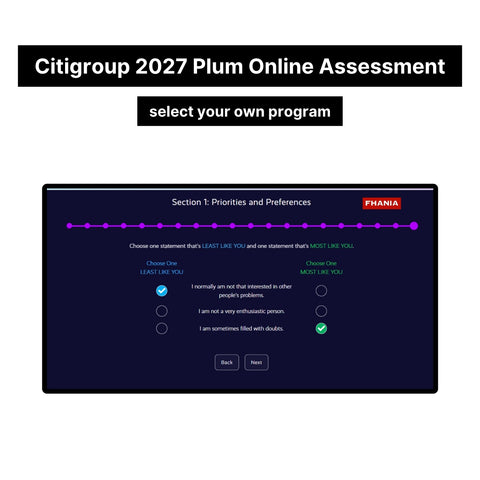
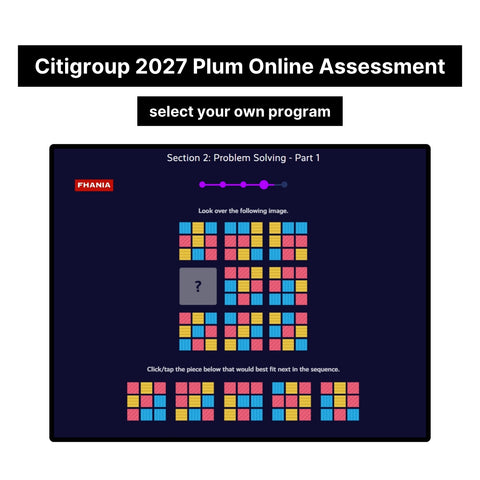
Citi's graduate hiring usually involves an online application, a Plum-based online assessment, a video interview, and final-round interviews that turn technical for front-office roles. Competition is stiff given the bank's global brand. Standard Chartered's graduate process typically includes an online application, strengths-based assessments, a video interview, and an assessment centre or final interviews — with real emphasis on the bank's values and your interest in its footprint markets. Details may vary by role and region — check each firm's careers page for the current process.
Business Focus: Citi vs Standard Chartered vs
Citi is a US-headquartered global bank with a large institutional business spanning investment banking, sales and trading, and transaction services across close to 100 markets. Standard Chartered is a London-headquartered bank focused on Asia, Africa, and the Middle East, with strengths in corporate banking, trade finance, and wealth management.
Culture: Citi vs Standard Chartered vs
Citi's culture is global, performance-driven, and competitive — a classic bulge-bracket environment where visibility and networking matter. Standard Chartered promotes a collaborative, diverse culture built around its 'here for good' brand and developing talent across its emerging-market footprint.
Which One Should You Choose?
- Pick Citi if you want global banking scale, markets or investment banking careers, and a brand recognized in every financial centre.
- Pick Standard Chartered if you want emerging-markets exposure from day one, trade finance and corporate banking, and a values-led culture.
- Apply to both if you are open-minded about banking paths — they recruit for different strengths, and comparing offers beats guessing.
One warning: 2027 application windows are already opening. The candidates who start preparing for online assessments now are the ones who survive the first cut — don't leave your preparation to the week before.
Keep Reading
- blackstone vs william blair interview
- Citi Plum Test 2027: What It Measures & How to Pass
- Citi Sales & Trading Interview Questions 2027: Markets & Pitch
FAQ
Should I apply to Citi or Standard Chartered first for 2027?
Apply to both as early as you can — don't sequence them. Deadlines may vary by role and region, so check each firm's careers page and apply well before closing dates.
Can I apply to both Citi and Standard Chartered in 2027?
Yes, in most cases — they run separate hiring processes. Tailor each application to the firm's business and values rather than sending identical answers.
Which has better work-life balance, Citi or Standard Chartered's?
Standard Chartered generally offers better work-life balance, especially outside front-office markets roles. Citi's investment banking and markets divisions are known for long hours.
Which is easier to get into, Citi or Standard Chartered?
Both are competitive graduate employers, and neither publishes acceptance rates. Intake sizes and applicant volumes may vary by role and region — focus on fit and preparation rather than odds.
Preparing for Citi's interview? Our 2027 Citigroup Online Assessment Plum Tutorials has practice questions and answers — $79 one-time, instant download.