

The Bain graduate programme centres on the Associate Consultant (AC) role — the standard entry point for undergraduates and MBAs, staffed across projects on a generalist model rather than by practice area. The main alternatives are the Associate Consultant Intern (ACI) summer programme and experienced-hire tracks. Applications are reviewed on a rolling basis; check the official Bain careers page for current openings.
This guide covers the 2027 intake at Bain & Company — applications open in 2026 and are reviewed on a rolling basis, so applying early gives you the strongest chance. Confirm exact dates on Bain & Company's official careers page.
The Bain Graduate Programme: Associate Consultant
The Associate Consultant is Bain's flagship graduate role. As an AC you work in 2–4 person teams on client cases lasting 2–6 months, owned by a case team leader and a partner. Responsibilities include hypothesis-driven analysis, client interviews, Excel modelling, and slide building — real work from week one. Undergrads join through campus recruiting; MBA students join at the post-MBA AC level with higher pay and a faster path to Consultant.
Progression runs roughly AC → Consultant → Manager → Partner, with promotions every 2–3 years driven by performance, not tenure. Many ACs leave after 2–3 years for MBAs or industry roles; Bain's alumni network is one of consulting's strongest exit assets.
Bain Graduate Programme vs Internship: Key Differences
The Associate Consultant Intern programme is a 10–12 week summer placement for penultimate-year students, offering the same casework as a full-time AC. Top interns receive return offers, the most reliable path into the firm. If you missed the intern cycle, the graduate route is fully open — see our step-by-step guide on how to apply to Bain for the mechanics.
Experienced Hires and Other Entry Routes
Bain also hires experienced professionals directly at Consultant level and above — usually from industry, other consultancies, or advanced degrees (PhDs, JDs, MDs). These candidates go through a separate process but face the same interviewer-led case format. The assessment bar does not drop.
The Generalist Staffing Model
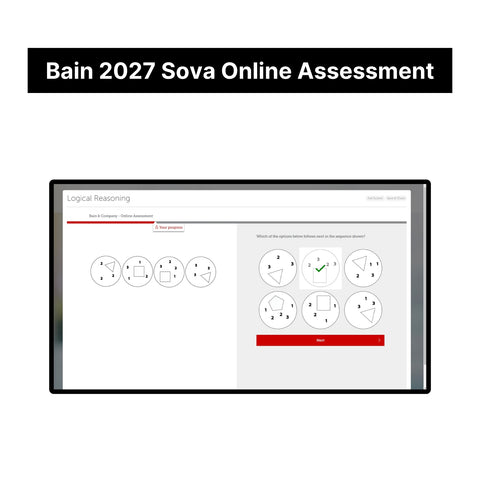
Bain staffs consultants to projects, not practices. You might work on a private equity due diligence one month and a healthcare cost transformation the next. This means you are not applying to a practice area — you apply to an office. Your first two years are deliberately broad; focus areas develop over time. Our Bain assessment guide covers the written case and interview format every track uses.
Choosing Your Office
Offices differ by industry exposure and lifestyle, not prestige of work. London, New York, and Sydney are large and varied; smaller offices offer earlier client responsibility. Pick based on where you want to live and the industries you want exposure to. We go deeper in our post on which Bain role is right for you.
Frequently Asked Questions
Is the Bain graduate programme only for business students?
No. Bain hires from every degree background — engineering, humanities, sciences. What matters is analytical ability, leadership, and structured thinking, not your major.
What is the difference between AC and AC Intern at Bain?
The ACI is a summer internship for penultimate-year students; the AC is the full-time graduate role. Strong interns get return offers, but full-time AC hiring runs separately and is equally open.
Does Bain hire experienced professionals?
Yes, at Consultant level and above for industry experts and advanced-degree holders. The interview format is the same interviewer-led case style; check the official Bain careers page for current experienced-hire openings.
Which Bain office should I apply to?
Apply to the office where you want to work and build a life. Research each office's industry strengths first — they shape the cases you will staff.
Applying to Bain? Our 2027 Bain Online Assessment & Written Case prep covers the real questions — $79 one-time, instant download.