Why Temasek Rejects Candidates: Common Reasons
Most Temasek candidates never learn why they were rejected — they just get the email. But the reasons repeat every cycle: weak assessment scores, generic video answers, invisible group-case performances, hollow technicals. Roughly three in four superday candidates do not make it. Here is why Temasek rejects candidates, and how to avoid each trap.
Rejected at the Online Assessment: Speed, Not Smarts
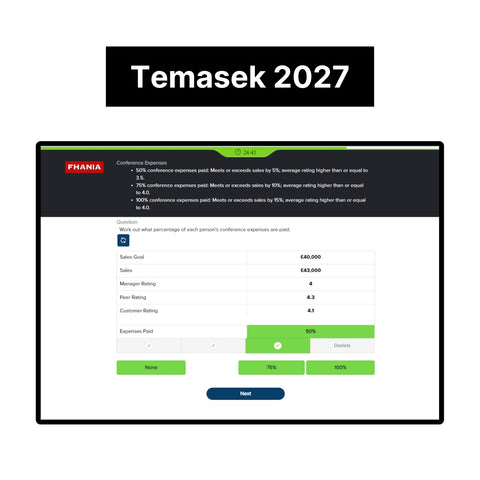
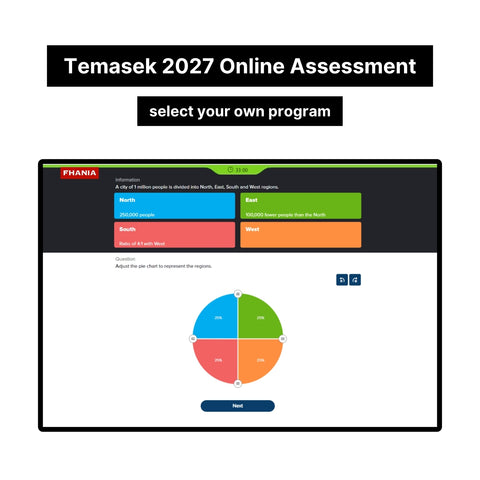
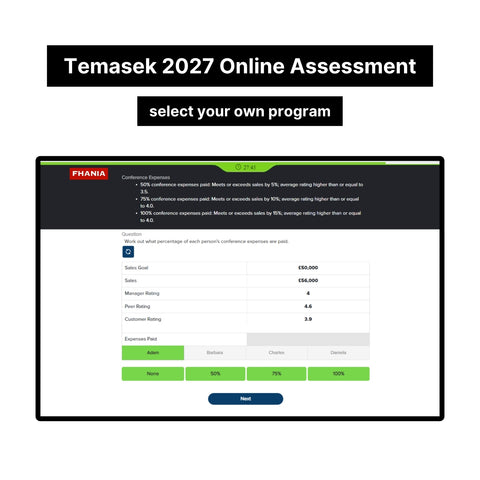
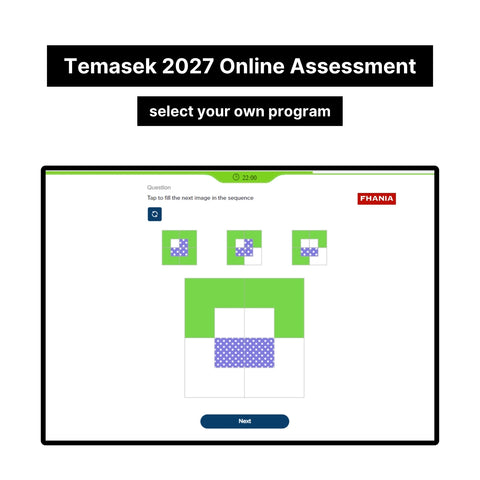
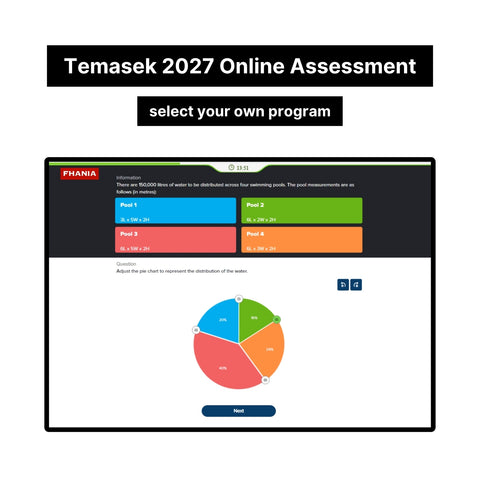
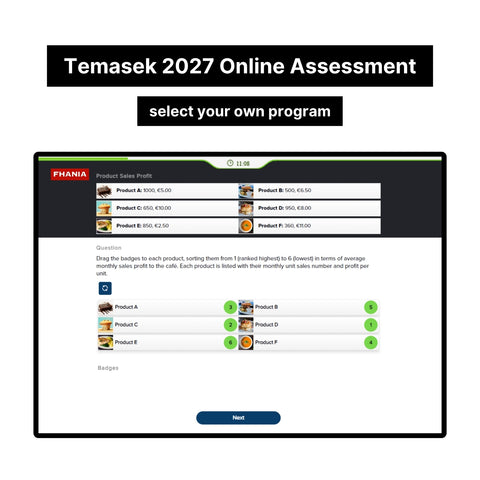
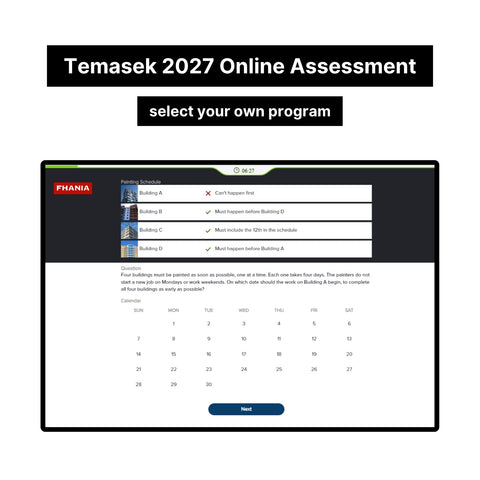
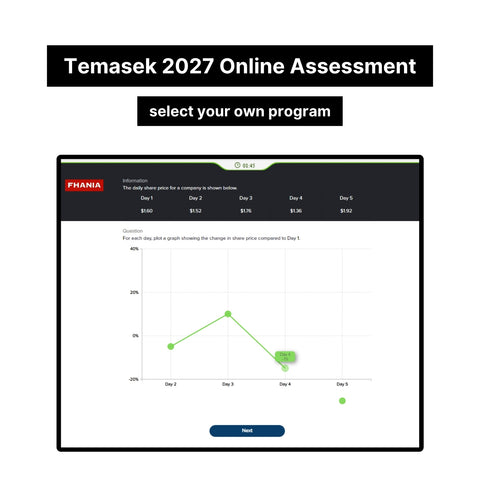
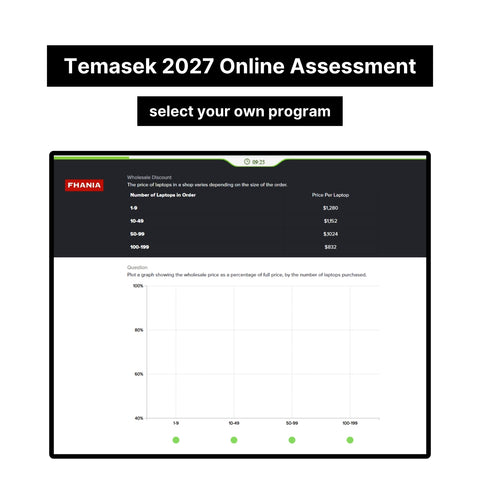
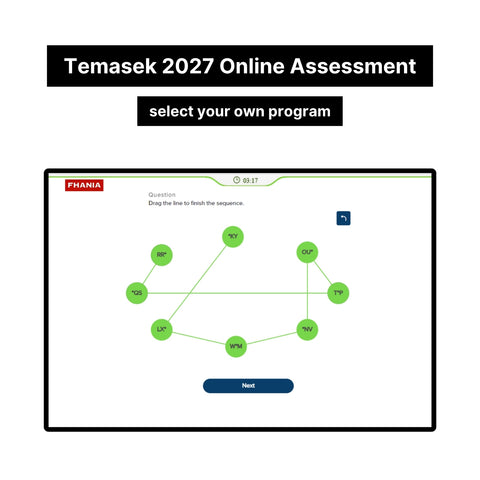
The largest single cut happens at the online assessment, and the cause is almost never difficulty — it is pace. Candidates who never practiced timed reasoning tests run out of time, panic on early questions, and score below the cutoff. Temasek does not publish the passing score; you are benchmarked against the pool, and the pool practices. A second common cause: taking the test unprepared the day the invite arrives instead of using the window to finish drilling. This stage is 100% trainable and 0% forgiving — there are no retakes.
Why Temasek Rejects Candidates After Video and Superday
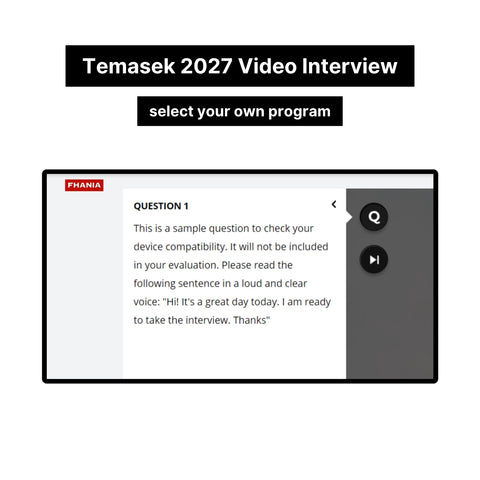
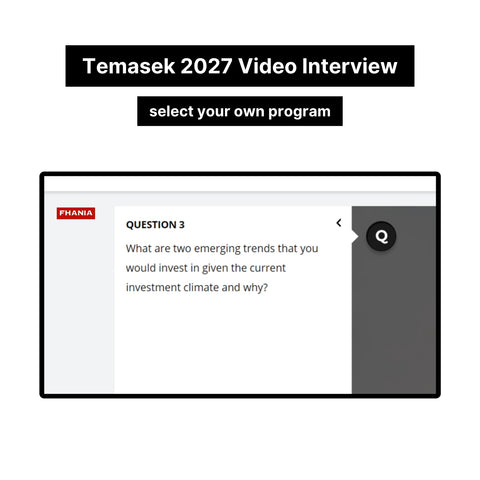
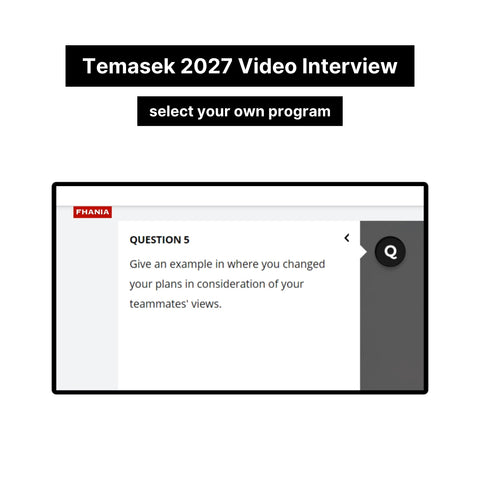
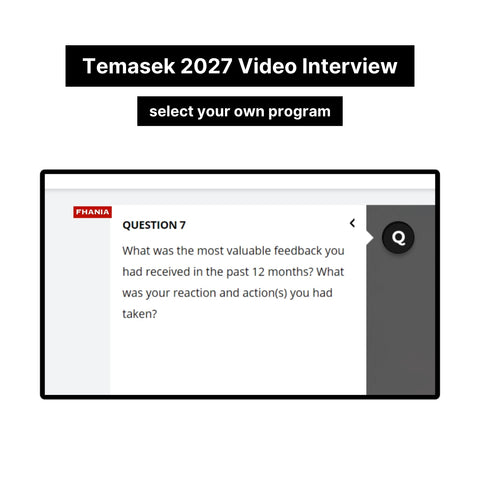
Video interview rejections come down to content and delivery: generic "Why Temasek" answers with zero firm-specific knowledge, rambling unstructured responses, and flat on-camera presence. At the superday, the killers are the group case (saying nothing, or dominating and alienating the team), the stock pitch (no framework, collapsing under the first challenge question), and panel technicals (fumbling basics like working capital or enterprise value). Notice the pattern: none of these are about being insufficiently brilliant. They are about being insufficiently prepared for a known, fixed format.
Why Temasek Rejects Candidates: The Pattern Nobody Admits
Here is the uncomfortable truth about why Temasek rejects candidates: almost every rejection traces back to preparation gaps, not capability gaps. The process is public, the question types repeat every cycle, and the assessment criteria are stable — which means every failure mode on this list was avoidable with a few weeks of structured work. The candidates who advance are not geniuses; they are the ones who treated each stage like the elimination round it is. Our 2027 Temasek Online Assessment & Video Interview Answers covers the exact questions for the assessment and video rounds — the two stages where most rejections happen.
Three Out of Four Do Not Make It — Be the Fourth
The superday funnel is unforgiving by design: only about one in four advances. That means your competition is not the process — it is the other candidates, and most of them are making the exact mistakes listed above. Every avoidable error you eliminate is a direct advantage over the field. The candidates who get offers are simply the ones with the fewest unforced errors.
FAQ
What is the most common reason for rejection? Failing the online assessment due to poor time management — it eliminates the largest share of applicants before any human interview.
Can I ask Temasek for feedback after rejection? Sometimes, but detailed feedback is rare at scale. Your best move is a structured self-review against the known failure modes above.
If I am rejected, can I reapply next year? Generally yes — a rejection in one intake does not bar you from future cycles, and reapplicants who fix their gaps often do better.
Does a referral help avoid rejection? A referral may help your application get read, but every assessment stage is still scored on merit. For the 2027 intake timeline, check Temasek's official careers page.
Preparing for Temasek's Rejection analysis? Our 2027 Temasek Online Assessment & Video Interview Answers has the exact questions and answers — $79 one-time, instant download.