Why EY Rejects Candidates 2027: 7 Common Reasons & Fixes
The top ey rejection reasons for 2027 are all fixable: failing one assessment section, generic "Why EY?" answers, weak commercial awareness, poor video presence, dominating the group exercise, unrealistic first-year expectations, and applying to the wrong service line. None is about intelligence — all are about preparation, and knowing where rejections happen lets you fix each one.
EY Rejection Reasons 1–2: One Failed Section & Generic Motivation
The top rejection point is the online assessment stage, where candidates fail a single section — usually situational judgement or the timed reasoning sections — and the application ends. The fix is section-by-section preparation: timed drills for numerical and verbal, EY-values study for situational judgement, full practice runs for the job simulation. Strong sections never compensate; do not assume they will.
The second killer is a generic "Why EY?" answer. Interviewers hear website recaps all day, and motivation that fits any Big Four firm says you did not research. The fix: one EY development you followed, one service-line reason from your experience, one values connection with evidence.
EY Rejection Reasons 3–5: Commercial Awareness, Video Presence, Group Behaviour
Weak commercial awareness fails candidates at partner and final interviews. If you cannot discuss current issues affecting EY's clients, partners conclude you are not ready for client work. The fix: two weeks of business news with opinions formed, not headlines memorised.
Poor video presence fails candidates at video stages: reading scripts on camera, bad lighting, mumbling, running over time. The fix: recorded practice with playback review until delivery is structured and natural. Dominating the group exercise fails otherwise strong candidates — assessors penalise interruption and dismissal. The fix: collaborative tactics — build on others, include quiet members, manage time.
EY Rejection Reasons 6–7: Unrealistic Expectations & Wrong Service Line
Describing a fantasy first year — strategy meetings instead of qualifications study and engagement rotations — tells interviewers you want the brand, not the job. The fix: research the real trainee experience and show enthusiasm for it. Finally, the wrong service line wastes the whole cycle: your strengths get scored against the wrong criteria, with no mid-process transfers. The fix: honest self-mapping before you apply.
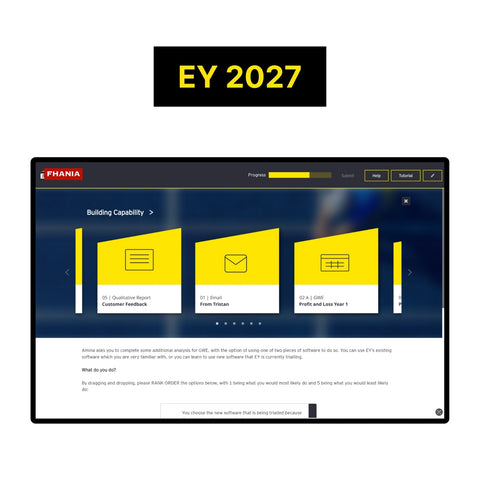
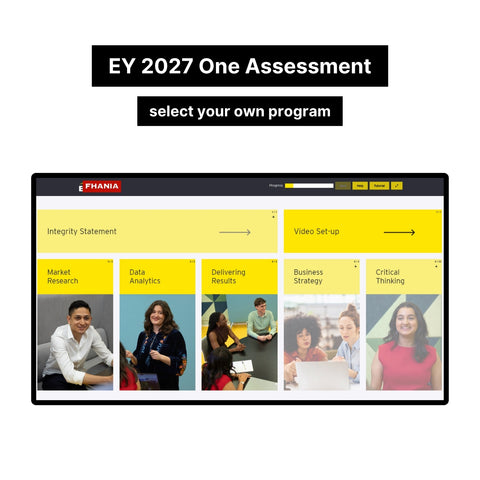
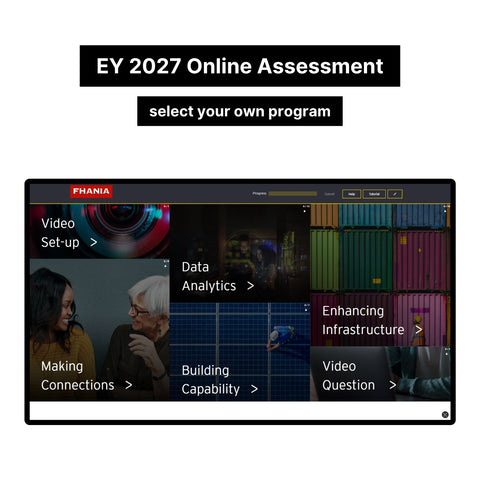
Our 2027 EY Online Assessment and Video Interview Tutorials addresses all seven rejection reasons with the real questions, scoring logic, and frameworks from EY's 2027 cycle.
Why Rejected Candidates Repeat Their Mistakes
Most rejected candidates never learn which stage actually failed them, so they "prepare harder" for the wrong thing and get rejected again. EY gives limited feedback, so your only defence is preparing every stage properly the first time. For the 2026 application season, check the official EY careers page for your region's process, then audit yourself against all seven reasons before applying. Offers go not to candidates without weaknesses, but to those who found and fixed them before assessment day.
FAQ
What is the most common rejection reason? Failing a single online assessment section — it eliminates most applicants before any interview.
Does EY give feedback to rejected candidates? Only limited feedback, which is why self-diagnosis against known rejection reasons matters.
Can I reapply after rejection? Usually yes, in a future cycle — but only after fixing the actual reason, or the outcome repeats.
How do I find out why I was rejected? Audit yourself against the seven reasons above, and ask inside contacts for honest feedback if possible.
Preparing for EY's full process? Our 2027 EY Online Assessment and Video Interview Tutorials has the exact questions and answers — $79 one-time, instant download.