

Telstra Graduate Engineer 2027: How to Answer the 'Professional Relationship' Question
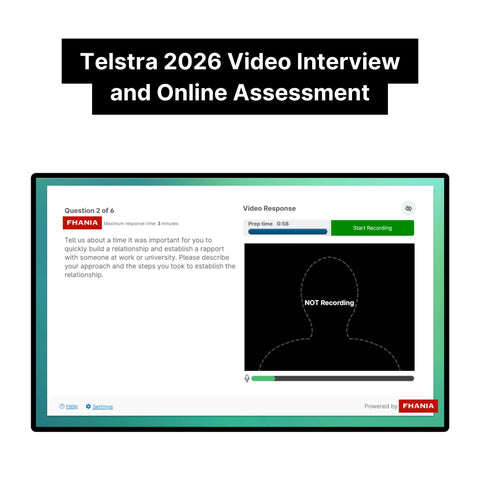
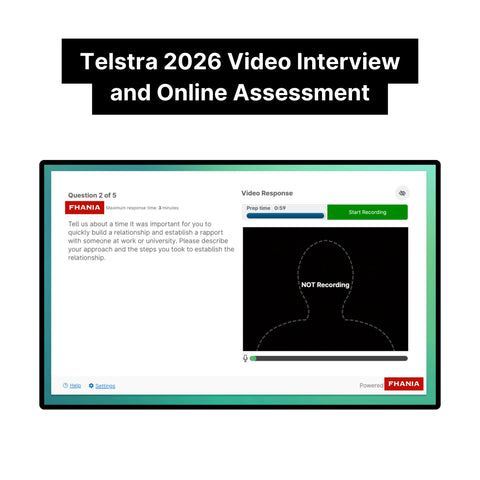
For this Telstra graduate engineer interview question, use STAR focused on relationship mechanics: who the person was and why the relationship mattered, the deliberate steps you took (thoughtful questions, reliability on small commitments, follow-up), and what it produced. Show you invest in the relationships that make teams work.
Telstra Graduate Engineer Interview: What the Professional Relationship Question Assesses
This question is commonly reported by candidates in Telstra's graduate engineer interviews, and it probes a truth about engineering work: technical skill alone does not ship anything — you need reviewers, mentors, and collaborators. Interviewers are testing whether you invest deliberately in professional relationships: do you seek out guidance, build trust with senior colleagues, and maintain connections that make you effective? For graduates joining large technical organizations, this is a strong predictor of ramp-up speed.
How to Answer This Telstra Graduate Engineer Interview Question
Keep your STAR focused on the relationship mechanics:
- Situation. Who the person was — a supervisor, a senior engineer, a client — and why the relationship mattered to your work.
- Task. What you needed the relationship to enable: learning, feedback, collaboration, opportunity.
- Action. The deliberate steps: initiating contact with a clear purpose, asking thoughtful questions that respected their time, delivering reliably on anything you promised, following up after help received, and finding ways to add value back (sharing a useful resource, volunteering for their backlog item).
- Result. What the relationship produced — faster learning, a better project outcome, an ongoing mentorship — and that you maintained it beyond the immediate need.
Example line: "In my final-year project I needed guidance on testing strategy, so I asked a senior engineer at my internship for a monthly 30-minute call. I always came with specific questions, implemented her advice visibly, and sent brief updates on results. She ended up reviewing my project report, and we still exchange notes on testing practices."
Common Mistakes
- Confusing networking with relationships. Collecting contacts is not the skill; building mutual trust is.
- One-sided stories. If you only took and never gave back, it reads as transactional.
- Vague actions. "We got along well" is not a method — name what you did.
Keep Reading
- gsk interview questions
- How to Answer the 'Why Telstra?' Interview Question 2027
- How to Prepare for Telstra Assessment in 2 Weeks
FAQ
Should the example be with someone senior? Senior relationships demonstrate the most valuable skill — learning upward — but peer examples work too.
What if the relationship was brief? Even short professional relationships count if you built them deliberately and they produced something real.
How do I show it was "professional" not just friendly? Emphasize purpose, reliability, and mutual professional value — not social chemistry.
Can I mention maintaining the relationship now? Yes — ongoing contact is the strongest proof it was genuine.
Preparing for Telstra's interview? Our 2027 Telstra Online Assessment | Video Interview Tutorials has practice questions and answers — $79 one-time, instant download.