RSM Situational Judgement Scenarios 2027: How to Choose
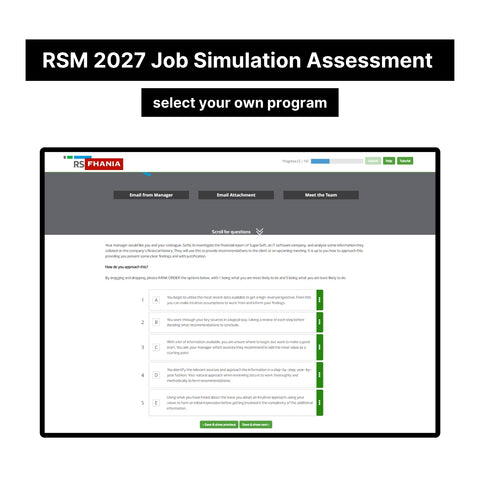
RSM situational judgement scenarios ask you to rank or select the best responses to realistic workplace situations. For the 2027 intake, they form half of RSM's online assessment, alongside the numerical test. There is no formula to memorise — but there is a logic. Candidates with zero office experience fail RSM situational judgement scenarios because they guess; candidates who learn the logic pass.
What RSM Situational Judgement Scenarios Look Like
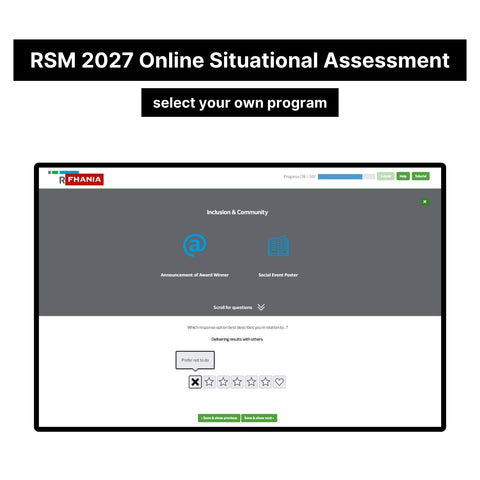
A typical RSM situational judgement scenario is a short paragraph: your manager is on leave and a client urgently needs a figure you do not have; a teammate missed their part of a deadline; you spot a small error in a report about to go to a client. You rank four possible actions from most to least effective, or pick the single best and worst response.
The scenarios are deliberately mundane. RSM is not testing heroics — it tests whether your instincts match how a professional services firm expects trainees to behave: escalate early, communicate honestly, protect the client, own mistakes. Most scenarios have one clearly strong answer, one clearly poor one, and two middle options where the marks are really won or lost.
How to Choose Answers in RSM Situational Judgement Scenarios
Think like RSM, not like yourself:
- Client first, always. The option protecting the client relationship or work quality is usually strongest.
- Escalate, don't hide. Telling your manager about a problem early beats quietly hoping it resolves itself. Hiding is almost always the worst answer.
- Communicate before acting. Proactively flagging a delay scores far better than silently working harder.
- Integrity over convenience. Cutting corners to hit a deadline is a trap. RSM prefers an honest miss over a wrong deliverable.
- Avoid extremes. Doing nothing and overreacting are both punished. Best answers are proportionate: acknowledge, communicate, escalate appropriately.
The key insight: RSM situational judgement scenarios reward consistency with the firm's values across every question. One contradictory answer — honesty in question 3 but a cover-up in question 9 — signals guessing to the scoring model.
How to Prepare for RSM Situational Judgement Scenarios
Work through dozens of real RSM-style scenarios with explained answers until you recognise the patterns: the escalation trap, the communication bonus, the integrity test. Reading theory is not enough — you need reps.
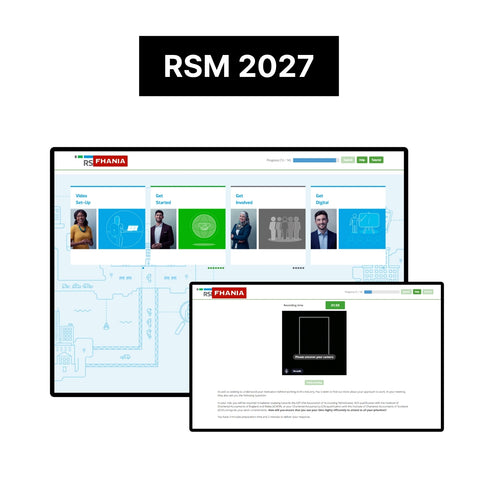
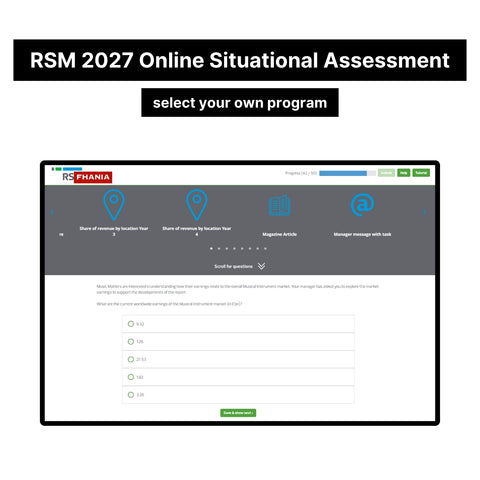
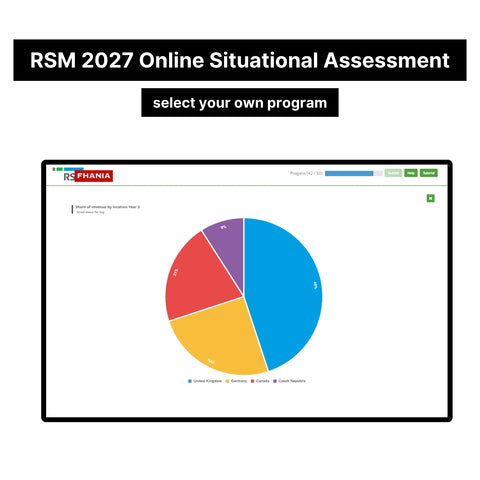
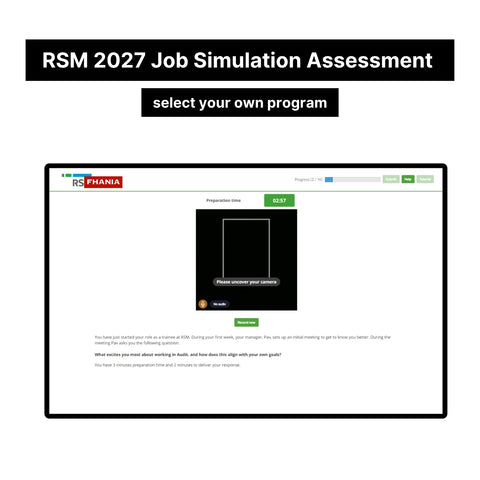
Our 2027 RSM Online Situational Assessment and Job Simulation Assessment Tutorials contains the exact RSM situational judgement scenario formats with model answers and full reasoning for every choice, plus the numerical section and the later job simulation stage. $79 one-time, instant download.
Without office experience, every scenario is a coin flip — and coin flips fail when scored against RSM's values profile. People who "just answer honestly" fail because their instincts were formed in school, not client work. Learn the professional logic before test day. The 2026 application season for the 2027 intake is live; check RSM's official careers page for exact dates and deadlines.
FAQ
Are there right and wrong answers? Yes. Responses are scored against an ideal profile derived from RSM's values and high-performing employees.
Should I answer as myself or the "ideal employee"? Answer as the professional RSM is hiring — preparation means learning what that looks like.
Does the situational section matter as much as the numerical? Yes. Both count toward the pass decision; a weak situational score can end your application alone.
Preparing for RSM's Online SJT? Our 2027 RSM Online Situational Assessment and Job Simulation Assessment Tutorials has the exact questions and answers — $79 one-time, instant download.