RSM Experience Question 2027: Turning Experience Into Value
Answer the RSM previous experience question — 'What have you learned from your previous work or programme experience?' — by turning experience into forward value: name two or three transferable lessons, evidence each briefly, and connect each to the role. Lesson, evidence, relevance.
What the RSM Previous Experience Question Assesses
This question tests self-awareness and transferability — can you extract general lessons from specific experiences and apply them forward? It is commonly reported by candidates that interviewers use this to see whether you reflect or merely accumulate. Listing what you did is a CV; explaining what you learned and how it applies is the answer. The interviewer is also checking relevance judgement: do you know which of your lessons matter for this role?
How to Answer the RSM Previous Experience Question
Pick lessons that transfer, prove each briefly, and tie each to the role.
- Choose transferable lessons: Select two or three insights that apply to professional work — for example, that clear communication prevents most errors, that asking questions early beats fixing mistakes late, or that structured planning survives contact with reality.
- Evidence each lesson: One or two sentences per lesson showing where you learned it. The story proves the lesson is real rather than a platitude.
- Connect to the role: For each lesson, add the bridge: "which is why I will..." or "which matters in audit because..." This is the step most candidates skip, and it is the whole point of the question.
- Prioritise: Lead with the lesson most relevant to the role. Ordering signals judgement about what matters.
Example line: "My placement taught me that most errors come from unclear requirements, not lack of effort — I learned to clarify upfront, which I now do instinctively. That matters in audit because understanding the client's processes correctly at the start determines the quality of everything after."
Common Mistakes With the RSM Previous Experience Question
- Listing duties instead of lessons. Candidates commonly report drifting into job descriptions. The question asks what you learned — stay on insights, not tasks.
- Generic lessons with no evidence. "I learned teamwork and communication" without a story is noise. Lessons need roots to be believed.
- No forward connection. Ending at "I learned a lot" wastes the question. Every lesson should explicitly connect to the role ahead.
Reflection is a professional skill, not just an interview performance — auditors who learn from each engagement improve fastest. Show the interviewer you already think that way.
Keep Reading
- pjt partners interview questions
- What Strengths Does RSM Look For? 2027 Guide
- How to Answer 'Why RSM? Why Audit?' 2027
FAQ
What if my experience is not directly relevant? Transferability is the test. Retail work teaches client handling; any team project teaches collaboration. Extract the underlying lesson and bridge it explicitly.
How many lessons should I give? Two or three. One looks thin; five becomes a list. Depth on a few beats breadth across many.
Should the lessons all be positive? Mostly, but one lesson from a difficulty — handled maturely — adds credibility. Growth stories are memorable when the reflection is genuine.
Can I include university as "programme experience"? Yes. Placements, internships, part-time work, and significant university projects all count. Choose the experiences with the richest lessons.
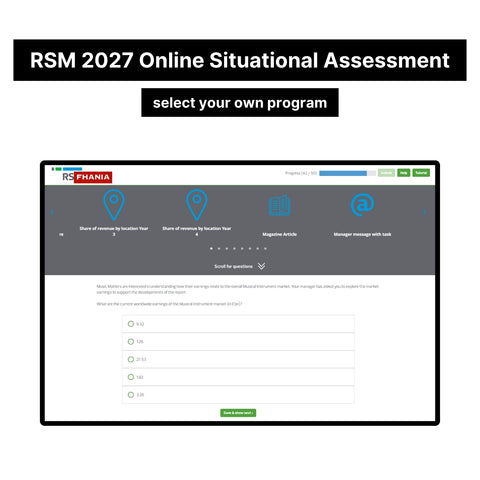
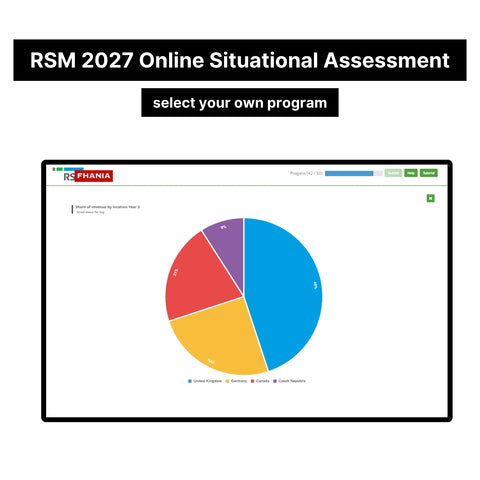
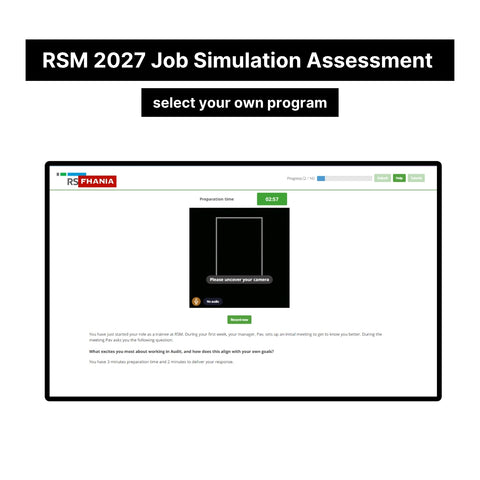
Preparing for RSM's interview? Our 2027 RSM Online Situational Assessment and Job Simulation Assessment Tutorials has practice questions and answers — $79 one-time, instant download.