McKinsey Sea Wolf Game Explained: Rules, Scoring & Tips
McKinsey Sea Wolf is a resource-allocation strategy game in the Solve portfolio. You command a naval defense operation — deploying ships, managing fuel and supplies, and responding to threats across a map. It tests strategic prioritization and quantitative decision-making under pressure, and it pairs with Red Rock Study as the most common Solve assignment for the 2027 intake.
McKinsey Sea Wolf Game: The Rules
In Sea Wolf, you manage a fleet with limited resources: ships, fuel, ammunition, and time. Threats appear across a grid map. Each turn you decide where to deploy, when to refuel, and which threats to engage or ignore. You cannot cover everything — that's the point.
Key mechanics to know:
- Resource constraints are real. Fuel and supplies deplete. Overextending leaves you stranded.
- Threats vary in severity. Not every blip deserves a response.
- Information is partial. You make calls with incomplete data, like a real operations problem.
- Rounds compound. Early positioning mistakes snowball into late-game crises.
How the McKinsey Sea Wolf Game Is Scored
McKinsey scores Sea Wolf on the quality of your decision-making process, not just your final map state. The scoring rewards:
- Prioritization — engaging high-value threats, ignoring noise
- Efficiency — achieving objectives with minimal resource burn
- Risk calibration — knowing when to commit and when to hold back
- Adaptability — repositioning as the threat picture changes
Candidates who try to "win" every engagement usually score worse than candidates who triage ruthlessly. That's deliberate — it mirrors how McKinsey thinks about client resource allocation.
Tips to Beat the McKinsey Sea Wolf Game
First, learn the scoring logic before you play for real. Second, resist the urge to chase every threat — disciplined players let low-value threats go. Third, watch your supply lines; running dry mid-game is the most common preventable disaster. Fourth, think two rounds ahead on positioning, not just the current threat.
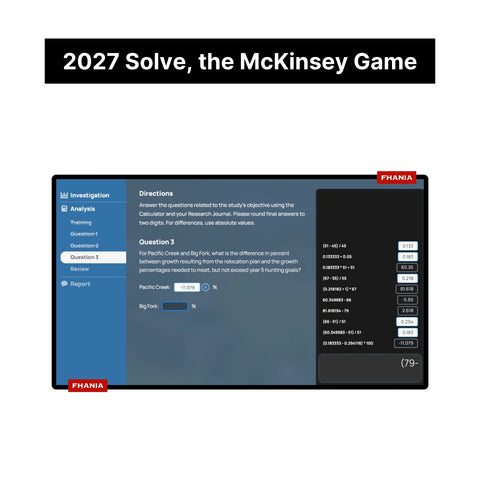
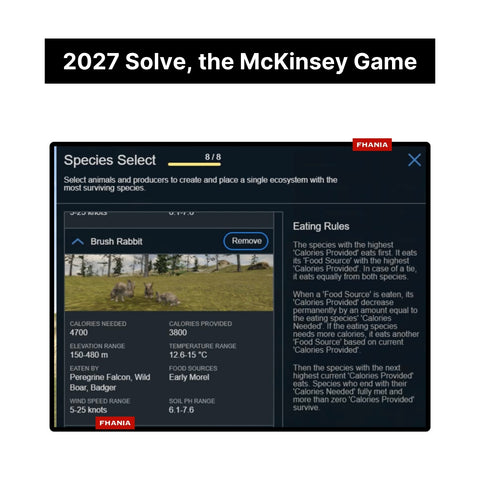
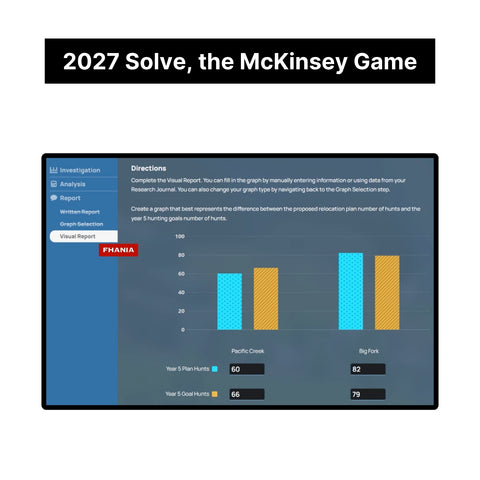
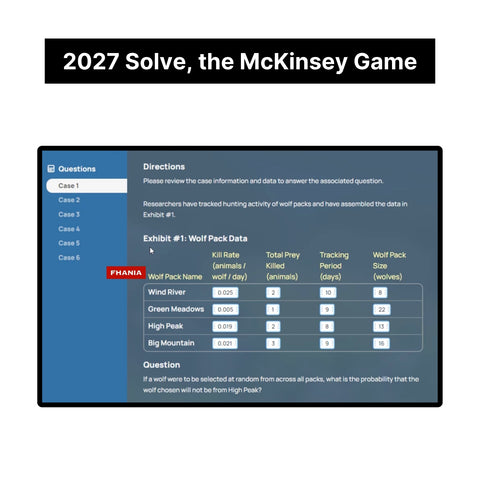
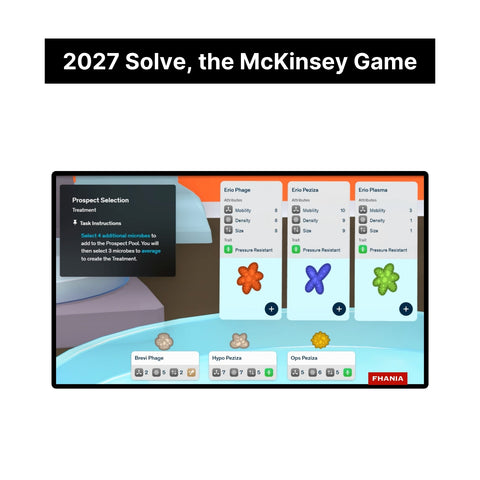
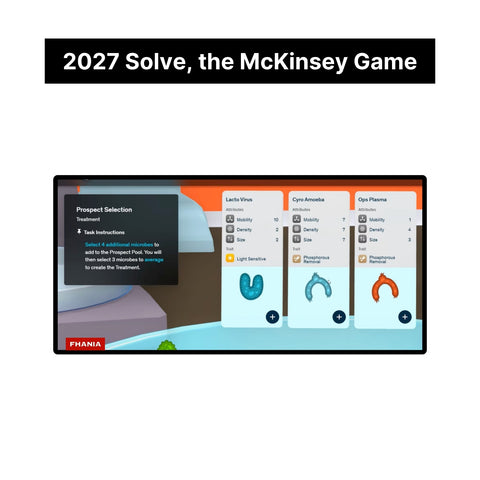
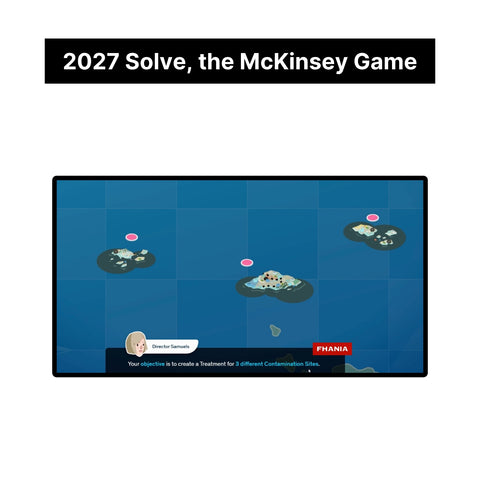
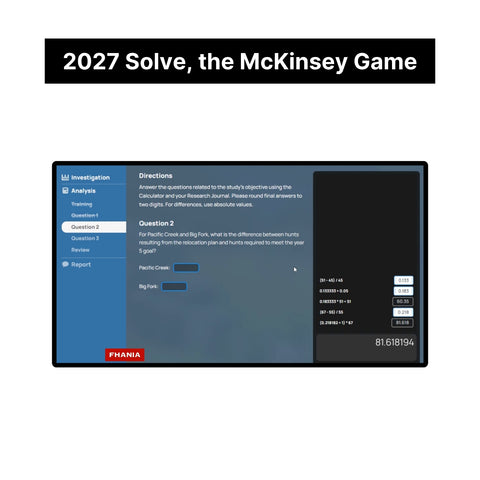
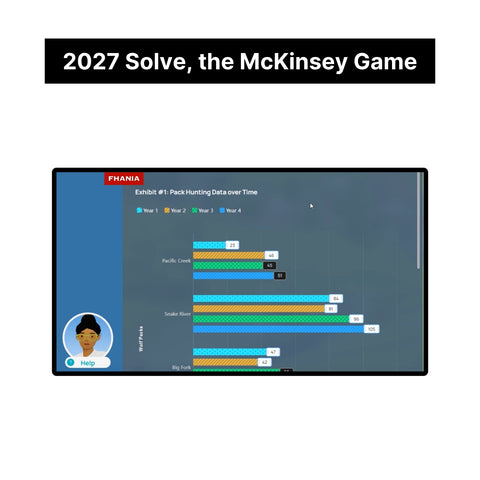
The only reliable way to internalize this is reps on the actual game. Our 2027 McKinsey Solve Game, RedRock, Sea Wolf, Sustainable Futures Lab, Case Interview Interactive Simulations includes an interactive Sea Wolf simulation with exact scoring walkthroughs, so the real game feels like your sixth playthrough, not your first.
McKinsey Sea Wolf Game: Don't Learn the Rules During the Test
Sea Wolf's rules take 10–15 minutes to truly understand. That's 10–15 minutes of your one scored attempt spent learning instead of performing. Every candidate who practiced walks in already fluent. Don't hand them that edge for free.
FAQ
How long is the Sea Wolf game? About 30–35 minutes, played as one of two McKinsey Solve games in a single session.
Do I need gaming experience for Sea Wolf? No. The interface is simple; what matters is strategic judgment, not reflexes.
What's the most common Sea Wolf mistake? Chasing every threat and burning through fuel. Triage discipline beats aggression in the scoring.
Is Sea Wolf harder than Red Rock Study? They test different muscles — Sea Wolf is resource prioritization, Red Rock is systems thinking. Most candidates find Sea Wolf more intuitive but easier to overplay.
Preparing for McKinsey's Sea Wolf game? Our 2027 McKinsey Solve Game, RedRock, Sea Wolf, Sustainable Futures Lab, Case Interview Interactive Simulations has the exact questions and answers — $79 one-time, instant download.