The most common McKinsey application mistakes are all avoidable: taking the Solve game without practice, neglecting PEI stories, writing a generic cover letter, choosing an office without a reason, memorizing frameworks instead of thinking, underestimating the Personal Experience Interview, and applying late on a rolling process. Fix these seven and you are already ahead of most of the applicant pool.
This guide covers the 2027 intake at McKinsey & Company — applications open in 2026 and are reviewed on a rolling basis, so applying early gives you the strongest chance. Confirm exact dates on McKinsey & Company's official careers page.
1. Taking the Solve Game Cold
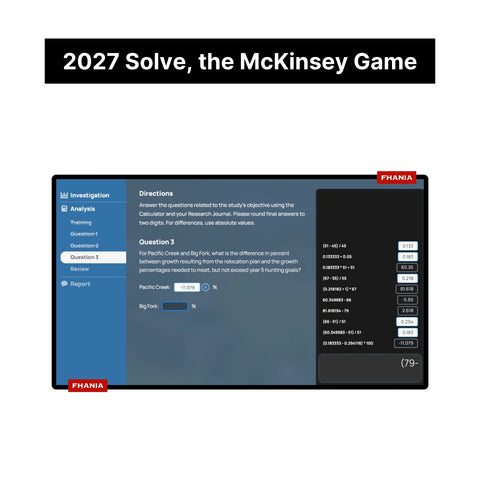
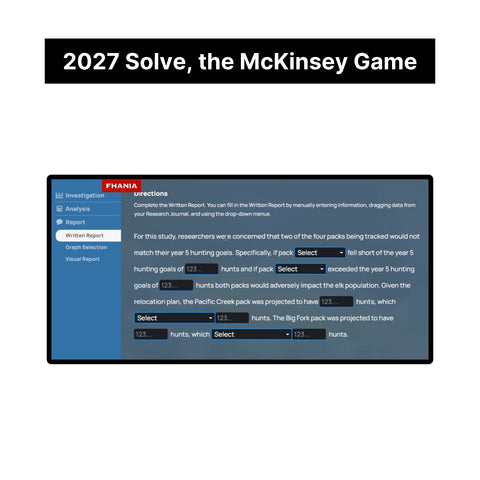
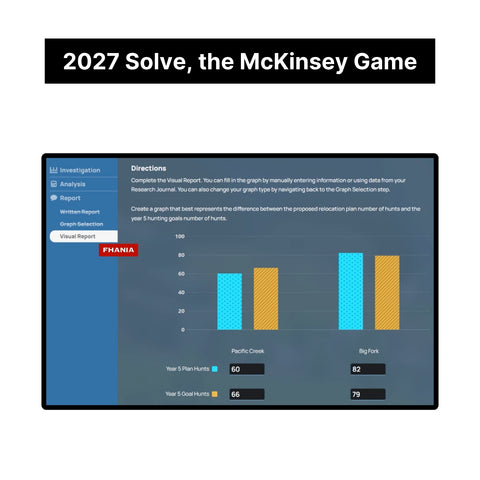
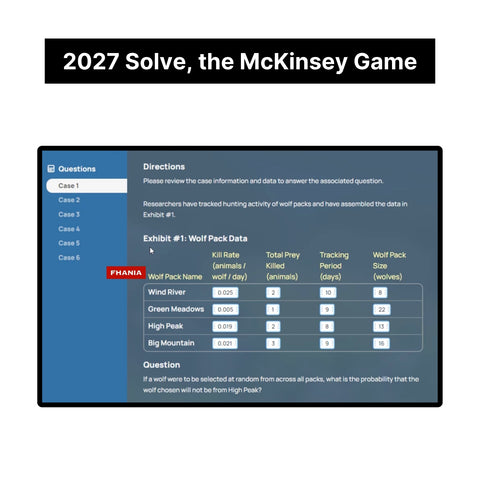
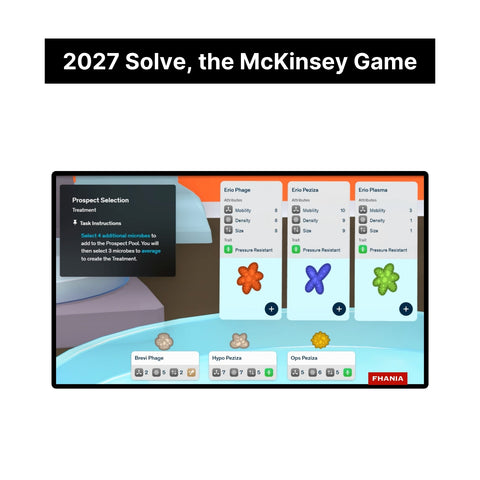
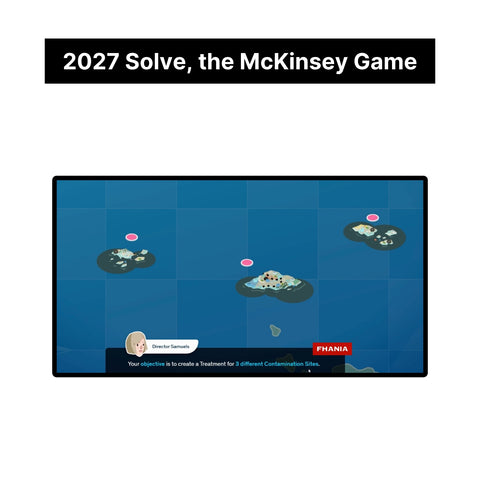
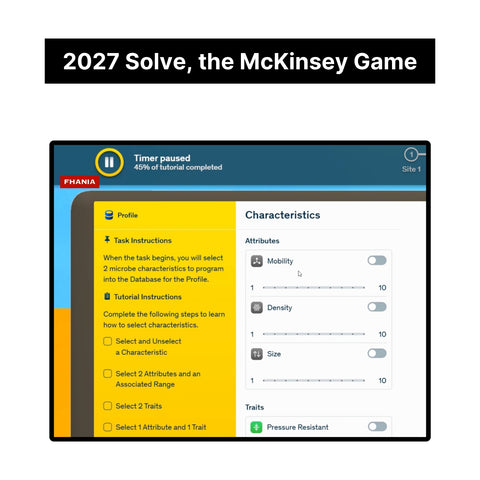
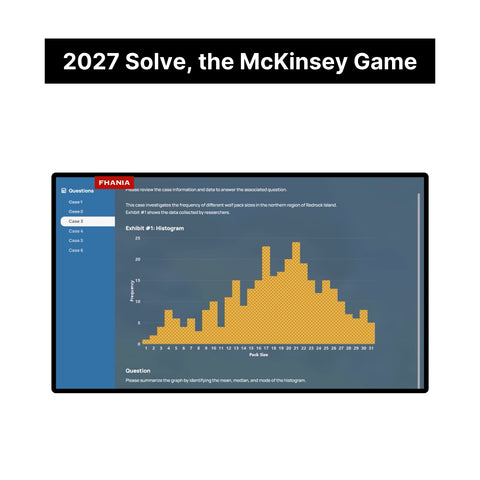
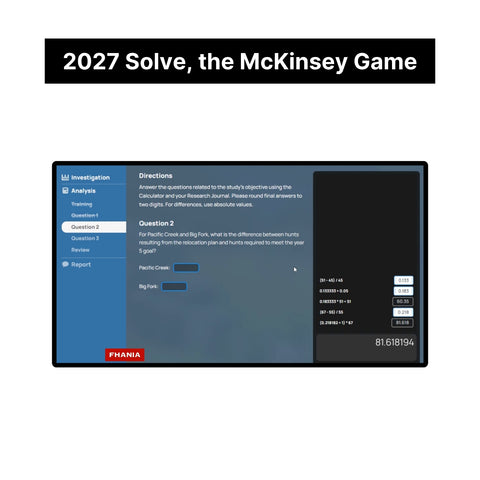
The Solve games look like casual puzzles, so candidates treat them as such. They are timed assessments of critical thinking with no retakes. Going in cold is the single most common McKinsey application mistake that kills strong CVs early.
2. McKinsey Application Mistake: Showing Up to the PEI Unprepared
The Personal Experience Interview asks for specific stories about leadership, personal impact, and resilience. Candidates who spend weeks on cases and one evening on PEI routinely fail the interview.
- Prepare three to four detailed stories, each with real numbers and real stakes.
- Vague stories collapse under follow-up questions — the interviewer will keep pushing for specifics.
3. A Generic Cover Letter
"McKinsey's global reach and commitment to excellence have always inspired me" says nothing. Recruiters read hundreds of these.
- Name the office, name why that office, and connect one concrete experience to consulting work.
- More packaging pitfalls in our step-by-step guide to how to apply to McKinsey.
4. Choosing an Office Without Logic
You will be asked why you picked your office. "It was the first one I saw" is not an answer.
- Tie your choice to language, industry exposure, or genuine personal connection — and know what that office actually does.
5. Memorizing Frameworks Instead of Thinking
The interviewer-led case rewards structured thinking, not recited frameworks. Candidates who force every case into the 3Cs or 4Ps get corrected mid-interview and rarely recover. Build issue trees from the problem, not from a template.
6. Underestimating the Personal Experience Interview
The PEI is not small talk before the real interview — it is half the evaluation. A polished case performance cannot compensate for shallow stories.
7. Waiting Until the Deadline
McKinsey screens on a rolling basis in most offices, which means late applications compete for fewer remaining slots. "The deadline is weeks away" is the most expensive sentence in the process.
- Apply as soon as your materials are ready.
- Check the official McKinsey careers page for your office's current window.
Avoiding These McKinsey Application Mistakes
Fix these seven and you are already ahead of most of the applicant pool. The pattern is simple: prepare every stage seriously, be specific in everything you write, and move early on a rolling process.
Frequently Asked Questions
What is the biggest McKinsey application mistake?
Taking the Solve game without preparation. It is timed, cannot be retaken, and eliminates strong CVs before interviews even start.
How important is the PEI compared to the case interview?
Roughly equal. The PEI is half the evaluation — neglecting it is one of the most common reasons candidates with strong cases still get rejected.
Does applying early to McKinsey really matter?
Yes. Most offices screen on a rolling basis, so early applications face less competition for interview slots.
Can I reapply to McKinsey after being rejected?
Policies vary by office, but many offices allow reapplication after a waiting period — typically around 12–24 months. Check the official McKinsey careers page for your office's policy.
Applying to McKinsey? Our 2027 McKinsey Solve Game & Case Interview prep covers the real questions — $79 one-time, instant download.