

KPMG vs EY vs PwC vs Deloitte: Application Process Compared
Comparing kpmg vs big 4 rivals? The Big Four application processes look similar from the outside but differ in the details that decide outcomes. Each firm tests different strengths, uses different formats, and scores different behaviors.
KPMG vs Big 4: KPMG's Strengths-Based Process
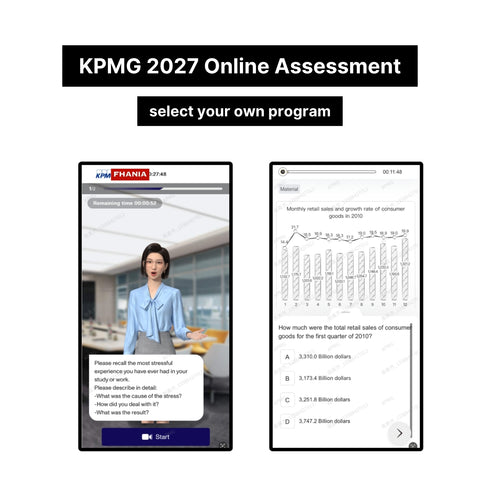
KPMG's application process is built around its strengths framework: a strengths-based SJT and critical thinker test online, a recorded video interview scored on strengths and values, and the Launch Pad assessment centre (group exercise, written exercise, manager and partner interviews). The through-line is behavioral — KPMG cares less about what you know and more about how you think, decide, and collaborate. Candidates who thrive are those whose instincts align with KPMG's values: Integrity, Excellence, Courage, Together, For Better.
KPMG vs Big 4: How EY, PwC, and Deloitte Differ
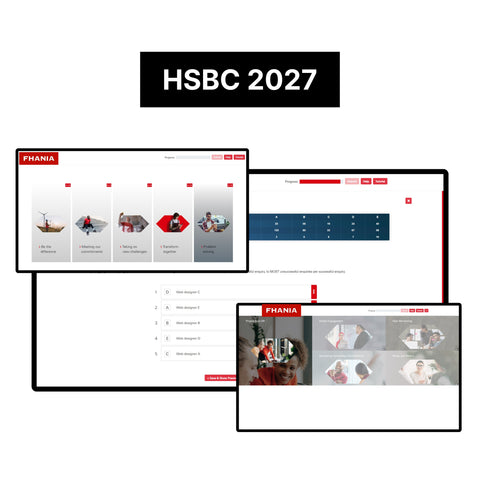
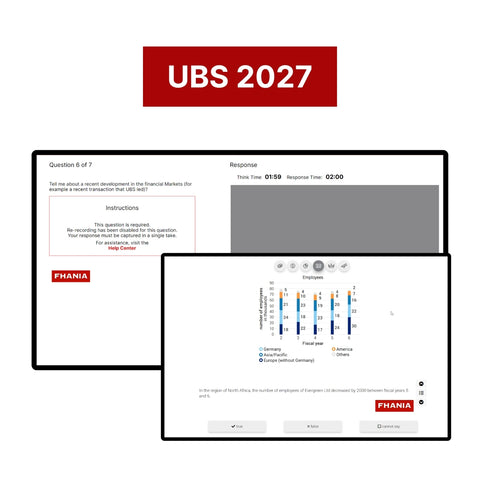
EY's process leans heavily on strengths too, but with its own strengths list and a well-known strengths-based interview style — its questions and scoring differ from KPMG's, so EY preparation doesn't map one-to-one. PwC uses its own online assessments (including game-based and video interview stages in many regions) and a career-focus framework that emphasizes different attributes. Deloitte's process varies significantly by region and service line, often including immersive assessments and case-style exercises with its own scoring logic. The formats, the question banks, the strengths being measured, and even the timing windows all differ — treating them as interchangeable is a mistake.
How to Prepare When Applying to Multiple Firms
Apply to multiple Big Four firms — that's smart. But prepare for each one separately. Build a separate question bank, strengths map, and motivation narrative per firm: your "Why KPMG?" must be KPMG-specific, your strengths stories framed for KPMG's framework, your SJT instincts tuned to KPMG's values. Track each firm's deadlines independently, since 2027 intake windows don't align. The candidates who win multiple offers aren't luckier — they're the ones who respected that KPMG vs EY vs PwC vs Deloitte are four different games. Our 2027 KPMG Online Assessment and Video Interview Tutorials gives you KPMG-specific questions, strengths mapping, and model answers.
Using One Firm's Playbook for Another Gets You Rejected
The failure pattern is consistent: a candidate prepares hard for one Big Four firm, gets comfortable with its format, then coasts into KPMG's process with the same answers. KPMG's assessors hear the mismatch immediately — wrong strengths emphasis, generic motivation, SJT choices tuned to another firm's culture. Each firm's process is a filter designed for that firm; respect the design. For KPMG's 2027 intake specifics, check the official KPMG careers page.
Big Four Comparison FAQ
Which Big Four firm is hardest to get into? It varies by service line, office, and year — all four are highly competitive, and "hardest" depends on where you apply.
Can I apply to all Big Four firms in the same cycle? Yes — applications are independent, and many candidates apply to several firms simultaneously.
Do the Big Four share assessment providers? Sometimes, but the test content, strengths frameworks, and scoring are firm-specific even when providers overlap.
Should my "Why KPMG?" mention other firms? Never. Each firm's motivation answer must be specific to that firm alone.
Preparing for KPMG's hiring process? Our 2027 KPMG Online Assessment and Video Interview Tutorials has the exact questions and answers — $79 one-time, instant download.