Houlihan Lokey WACC Questions 2027: Formula, Intuition & Traps
The Houlihan Lokey WACC interview question tests whether you truly understand the discount rate at the heart of every valuation — not just the formula. You need the formula cold, the intuition behind each input, and defenses for the classic traps. Get WACC wrong and the interviewer stops trusting every number that follows.
The Houlihan Lokey WACC Interview Question: The Formula
The Houlihan Lokey WACC interview question starts with the formula — know it exactly: WACC = (E/V × Re) + (D/V × Rd × (1 − Tc)). E and D are market values of equity and debt, V is total enterprise value, Re is cost of equity, Rd is cost of debt, Tc is the tax rate. Cost of equity comes from CAPM: risk-free rate plus beta times the equity risk premium. State it cleanly, then show you know what each piece means — the formula alone earns nothing at HL.
Houlihan Lokey WACC Interview Question: Intuition & Traps
Intuition: WACC is the blended return all capital providers demand — the hurdle rate for the firm's assets, and the right discount rate for unlevered free cash flow.
Trap 1 — market vs. book values: Use market values. Book equity is a historical artifact; investors demand returns on what capital is worth today.
Trap 2 — after-tax cost of debt: Interest is tax-deductible, so debt's true cost is Rd × (1 − Tc). Forget the tax shield and your WACC is overstated.
Trap 3 — beta: Unlever and relever beta for the target's capital structure. Using a peer's raw levered beta unadjusted is a classic stumble.
Trap 4 — circularity: Weights depend on enterprise value, which depends on WACC. Practitioners iterate or use a target capital structure — say so when pressed.
Trap 5 — shifting leverage: If leverage changes materially over the forecast, a single WACC breaks; APV or year-by-year discounting is the textbook answer.
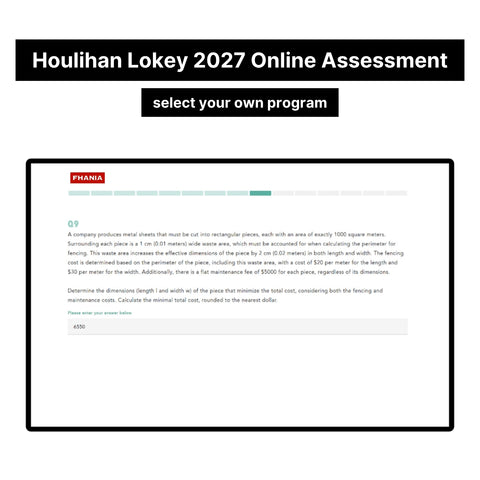
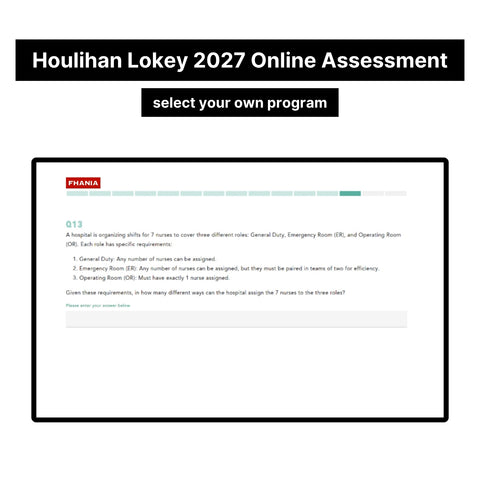
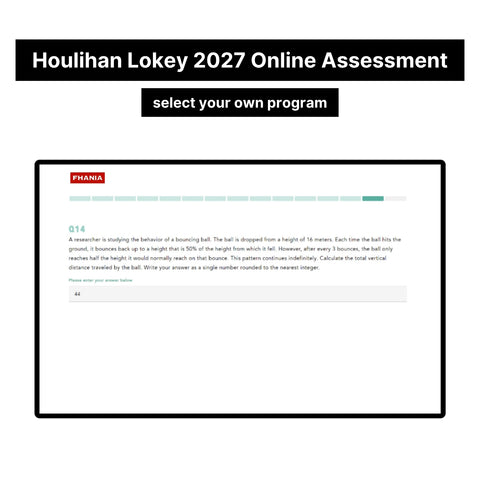
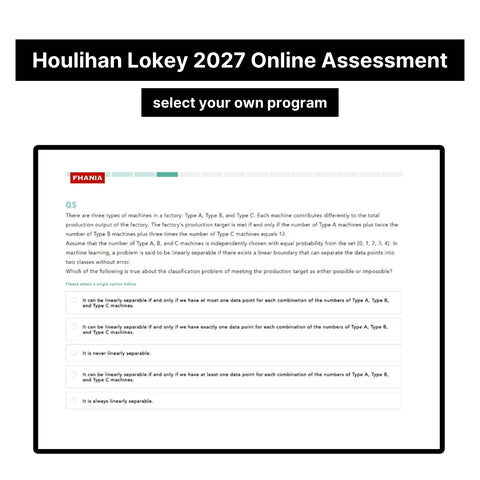
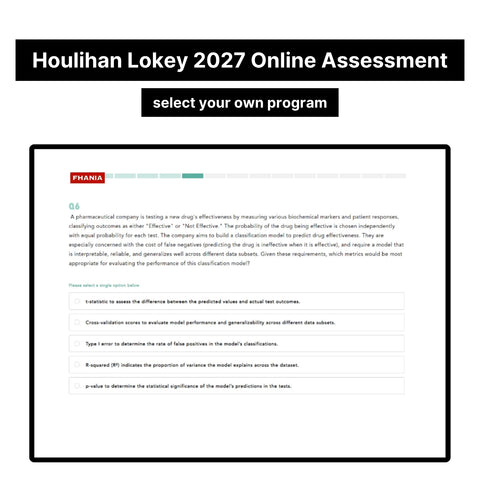
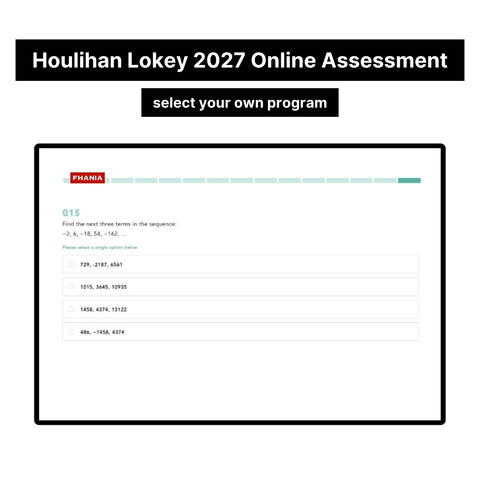
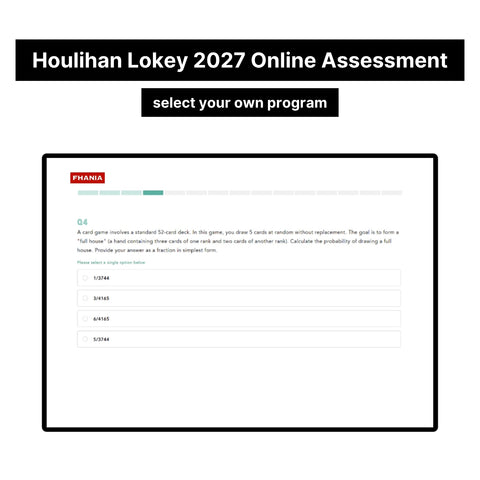
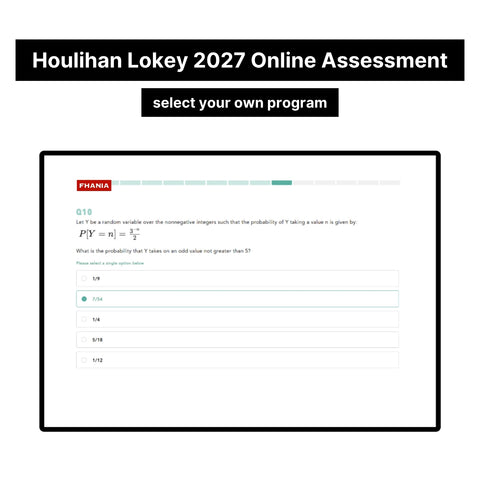
Our 2027 Houlihan Lokey Online Assessment Exact Questions & Answers covers the exact WACC questions and traps HL uses, with model answers for the 2027 intake.
One Wrong Input, Instant Veto
WACC sits under every DCF, every fairness opinion, every valuation HL signs. An interviewer who hears book values, a forgotten tax shield, or mumbling on beta downgrades your entire technical credibility. At the valuation firm, the cost of capital is table stakes — fumbling it reads as not belonging in the room. Check HL's official careers page for 2027 intake timing in your region, and drill WACC until the traps feel obvious.
FAQ
What's the WACC formula? WACC = (E/V × Re) + (D/V × Rd × (1 − Tc)), market-value weights, CAPM for cost of equity. Know every input's meaning, not just symbols.
Why market values, not book values? Capital providers demand returns on current market value, not historical accounting cost. Book values misstate true economic weights.
How do you get cost of equity? CAPM: risk-free rate + beta × equity risk premium. Be ready to discuss each input's source and leverage-adjusting beta.
Biggest WACC trap? Forgetting the (1 − Tc) tax shield or using book-value weights. Both are instant credibility hits at a valuation-focused firm.
Preparing for Houlihan Lokey's WACC Technical? Our 2027 Houlihan Lokey Online Assessment Exact Questions & Answers has the exact questions and answers — $79 one-time, instant download.