Houlihan Lokey Interview Questions 2027: Distressed Company DCF & How to Answer
Answer Houlihan Lokey restructuring interview questions on distressed DCFs with four adjustments: (1) scenario-weight multiple cash-flow paths including downside cases; (2) use a higher discount rate reflecting distress risk; (3) shorten or stress-test the forecast given uncertainty; (4) scrutinize terminal value — going-concern assumptions may not hold. This advanced question is commonly reported by candidates.
What These Houlihan Lokey Restructuring Interview Questions Assess
This question is commonly reported by candidates interviewing at Houlihan Lokey for 2027 roles. It assesses restructuring valuation judgment: interviewers want to hear that standard DCF assumptions break under distress, and that you know which levers to adjust instead of mechanically running the same model.
How to Answer Houlihan Lokey Restructuring Interview Questions Like This
Interviewers score technical questions on your process, not just the final answer. State your assumptions first, work through the steps out loud in order, and sanity-check your conclusion at the end.
- Scenario analysis: build base, downside, and liquidation/break-up cases, then probability-weight them.
- Raise the discount rate to reflect default and distress risk — and be ready to defend the adjustment.
- Stress-test near-term liquidity: a DCF means little if the company cannot fund the forecast period.
- Reconsider terminal value: perpetuity growth may be inappropriate — an exit multiple or asset-based cross-check often fits better.
- Mention triangulation with recovery/waterfall analysis, since creditor outcomes drive distressed value.
Example line: "For a distressed DCF I'd probability-weight multiple scenarios including a downside and break-up case, use a higher discount rate for distress risk, and replace the standard perpetuity terminal value with an exit-multiple or asset-based cross-check — then triangulate against a debt waterfall, since recovery drives value here."
Common Mistakes in Houlihan Lokey Restructuring Interview Questions Answers
- Running a standard DCF with no adjustments and calling it done.
- Using a normal WACC for a company facing default risk.
- Keeping a perpetuity terminal value for a business that may not survive.
Distressed valuation is HL's home turf — generic DCF answers won't survive here. Learn the scenario and waterfall adjustments before the interview.
Keep Reading
- jefferies valuation methods pros cons
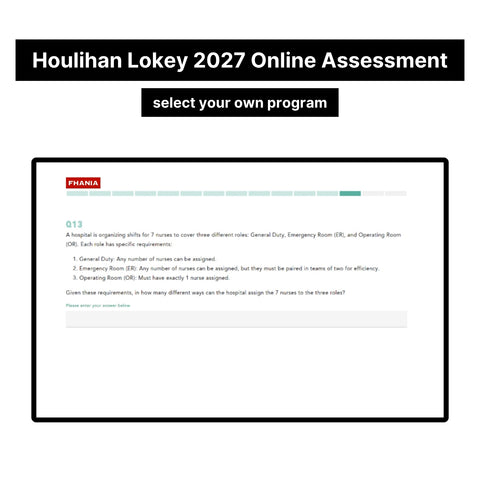
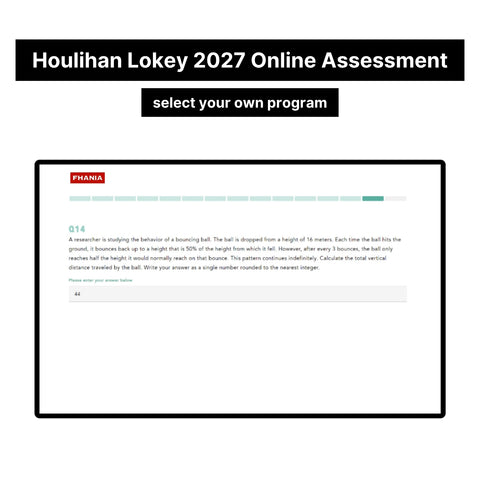
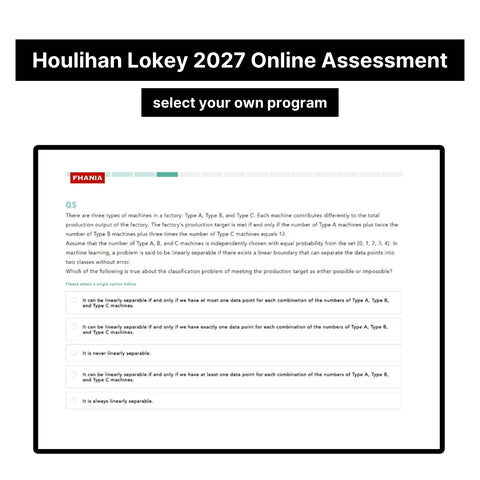
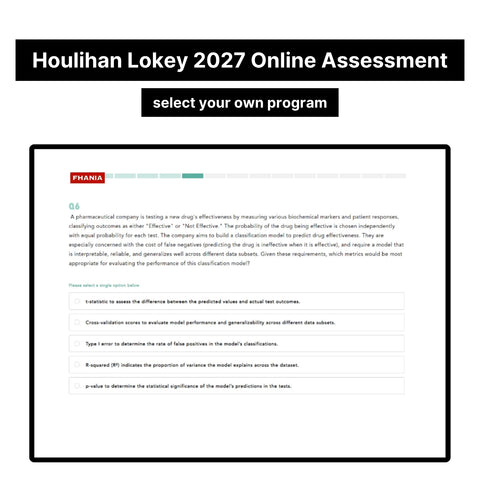
- Houlihan Lokey Logical Reasoning Test 2027: Question Types & Strategy
- Houlihan Lokey Modeling Test 2027: What's Tested & How to Practice
FAQ
How much higher should the discount rate be?
There's no fixed rule — explain direction and drivers (default risk, volatility) rather than inventing a precise number.
What is a debt waterfall's role?
It allocates enterprise value across creditor classes by seniority — the reality check on any distressed DCF output.
Should I still use five-year forecasts?
Shorter, scenario-driven horizons often fit better; emphasize near-term liquidity over distant growth.
What about liquidation value?
Include it as a scenario or floor — for deeply distressed names it may be the most relevant valuation anchor.
Preparing for Houlihan Lokey's interview? Our 2027 Houlihan Lokey Online Assessment Exact Questions & Answers has practice questions and answers — $79 one-time, instant download.