

The BCG graduate programme is not one generic "consultant" track — the role you apply for changes the work, the interview, and the competition. The three main paths are Associate (the classic generalist role), Summer Associate (the 10-week internship that converts to a full-time offer), and BCG X (the tech-build and AI arm). Choose the track that matches your background before you apply.
This guide covers the 2027 intake at BCG — applications open in 2026 and are reviewed on a rolling basis, so applying early gives you the strongest chance. Confirm exact dates on BCG's official careers page.
Associate: The Classic BCG Graduate Programme Role
The entry point for undergraduates, master's students, and MBA graduates. Associates do core consulting work: structuring ambiguous problems, analyzing data, interviewing clients, and building decks. You rotate across industries and functions. This is the generalist track most applicants target — and the most competitive.
Summer Associate: The Internship Track
The internship version of the Associate role, typically for students one year before graduation. It runs about 10 weeks and functions as an extended interview: perform well and you convert to a full-time offer. Intern classes are small relative to applicant volume, and BCG hires on a rolling basis, so early applications have a real edge.
BCG X: The Tech-Build Track
BCG X is the firm's tech and AI arm — data scientists, engineers, and designers who build products, models, and digital tools inside client engagements. If you would rather ship working software than write strategy decks, this path is built for you. The interview leans harder on technical depth and portfolio work than on classic business cases. We compare BCG X against the generalist tracks in our guide to choosing the right BCG role.
BCG Graduate Programme Practice Areas at a Glance
Once inside, Associates staff into practice areas. What the major ones cover, in one line each:
- Consumer — retail and consumer goods; pricing, growth, and brand strategy.
- TMT (Technology, Media & Telecommunications) — digital transformation and platform strategy.
- FIG (Financial Institutions) — banks and insurers; risk, regulation, digital banking.
- Health Care — pharma, medtech, providers; R&D strategy and operations.
- Industrial Goods — manufacturing and automotive; supply chain and operations.
- Energy — energy transition strategy across oil, gas, and renewables.
- Public Sector — governments; policy and large-scale transformation.
- Social Impact — nonprofits and foundations; mission-driven strategy.
Name your track and practice area direction in your cover letter — "Associate, interested in TMT" reads far stronger than "consultant, open to anything." Check the official BCG careers page for currently open roles, since postings run on a rolling basis.
Frequently Asked Questions
Which BCG graduate programme should I apply to?
Match the track to your background: technical builders to BCG X, generalists to Associate, penultimate-year students to Summer Associate.
Is BCG X easier to get into than the Associate role?
Not easier — different. It filters on technical depth and shipped work rather than classic case performance.
Can I switch practice areas after joining BCG?
Yes. Your initial preference signals direction, not a permanent assignment; staffing depends on business need.
Does the BCG graduate programme require a business degree?
No. BCG hires Associates from every degree — structured thinking and leadership evidence matter more than your major.
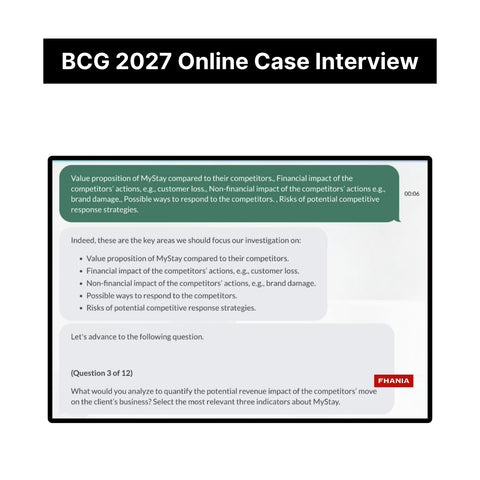
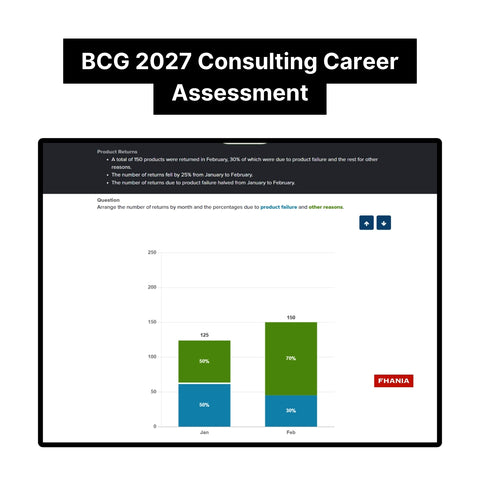
Applying to BCG? Our 2027 BCG Online Case & Assessment prep covers the real questions — $79 one-time, instant download.