BCG "Difficult People" Question 2027: Answer Without Badmouthing
The BCG difficult people interview question — commonly reported by candidates as "How do you deal with difficult people at work?" — is answered with STAR where the "difficult" person is described through behavior, never character: Situation (the working friction, neutrally), Task (what you needed from them), Action (how you adapted your approach), Result (the working relationship and outcome).
What This BCG Difficult People Interview Question Assesses
Consulting puts you on teams with clients and colleagues you didn't choose, so BCG tests whether you adapt to different working styles or label people as problems. The interviewer is watching your framing: do you show curiosity about why someone works the way they do, or do you just complain more articulately?
How to Answer This BCG Difficult People Interview Question
Keep every sentence blame-free:
- Situation and Task (25%). Describe the friction as a style mismatch, not a character flaw. Example line: "A teammate reviewed every detail before sharing work, which slowed our tight timeline — I needed his input earlier in the process."
- Action (55%). Show adaptation: what you tried first, what you learned about their working style, and how you adjusted. The winning move is usually a one-on-one conversation where you asked what they needed — that demonstrates emotional intelligence the interviewer can picture on a client team.
- Result (20%). State the outcome for the work and the relationship. A line like "we shipped on time, and he later asked me to review his section first" shows the relationship genuinely improved.
Never use words like "difficult," "stubborn," or "toxic" about the person — describe behaviors and your response to them.
Common Mistakes
- Badmouthing. One disparaging adjective about the other person can fail the question regardless of how well you handled the situation.
- The person magically changes. Credible stories show you adapting your approach; stories where the difficult person simply sees the light sound invented.
- Avoiding the conflict. Saying you just worked around them shows avoidance, not skill — the question wants engagement.
Candidates commonly report that interviewers follow up with "What would they say about you?" — a direct test of whether your blame-free framing is genuine. If your story is honest, that question is easy; if it isn't, it's fatal.
Keep Reading
- lazard interesting m&a transaction
- BCG Pymetrics Test: Which Offices Use It & How to Prepare
- BCG Salary 2027: Associate Pay, Bonus & Progression
FAQ
Can I talk about a difficult client or manager instead of a peer? Yes — upward or outward friction often makes a stronger story, as long as you describe your adaptation rather than their faults.
What if the person truly was unreasonable? Focus on what you controlled: your communication, your process adjustments, your professionalism. You get credit for your behavior, not their reform.
Should I name the specific behaviors? Yes, factually: "missed two deadlines" is fine; "was lazy" is not. Behaviors are observable; character judgments are not.
How is this different from the conflict question? Overlap is fine, but use a different story. This question emphasizes adapting to a working style; the conflict question emphasizes resolving a substantive disagreement.
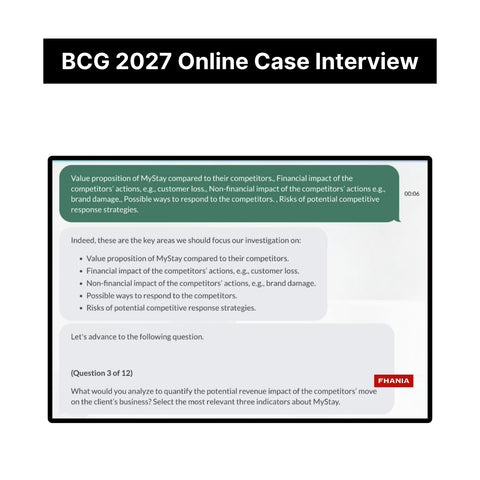
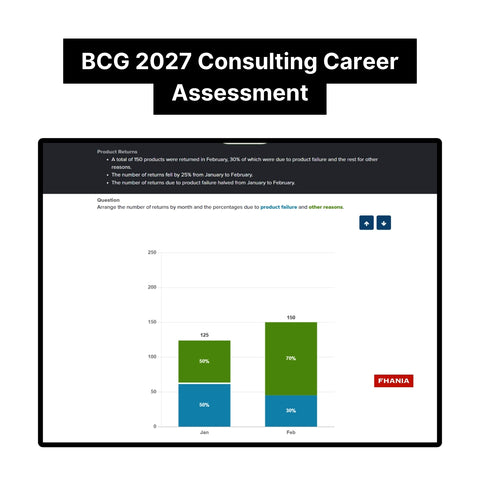
Preparing for BCG's interview? Our 2027 BCG Consulting Career Assessment, Online Case and Quantitative Reasoning Test Tutorials has practice questions and answers — $79 one-time, instant download.