BCG Creative Problem-Solving Question 2027: What They Want to Hear
The BCG creative problem solving question — commonly reported by candidates as "Tell me about a time you creatively solved a problem" — is answered best with STAR plus an explicit "why the obvious answer failed" beat: Situation (the constraint), Task (your goal), Action (the unconventional approach and why standard ones wouldn't work), Result (quantified).
What This BCG Creative Problem Solving Question Assesses
Consulting clients pay for thinking that goes beyond the obvious, so BCG uses this question to test intellectual flexibility. The interviewer wants to see that when the standard playbook broke, you invented a new one — and that you can explain your reasoning, not just report a lucky accident.
How to Answer This BCG Creative Problem Solving Question
Build the story around the constraint that forced creativity:
- Situation and Task (25%). Name the constraint that ruled out normal solutions: no budget, no data access, a hard deadline, a stakeholder who said no. Example line: "We needed user feedback but had no budget for research and no access to customers."
- Action (55%). Walk through your reasoning: the standard approaches and why each failed, then the insight that unlocked your approach. The key sentence is "the usual way wouldn't work because..., so I tried..." — that contrast is what proves creativity rather than luck.
- Result and reflection (20%). Quantify the outcome and name the transferable principle: what did you learn about solving problems with limited resources?
Choose a story where the creative move was yours, not the team's. In a group win, the interviewer can't tell who had the idea.
Common Mistakes
- Confusing novelty with creativity. Doing something unusual that didn't need to be unusual isn't creative — the story must show a real constraint.
- Skipping the rejected options. Without explaining why normal approaches failed, your "creative" solution just looks like the first idea you had.
- No measurable result. Creativity that didn't produce anything is just a story; anchor the outcome in something concrete.
This question is commonly reported by candidates as one where interviewers push hard on the "why": why didn't the standard approach work, why did your idea work. Rehearse those two answers specifically, because the story itself is only half the score.
Keep Reading
- citi why this department answer
- How to Apply to BCG 2027: Step-by-Step Guide
- Rejected by BCG? Reapplication Rules & How to Come Back Stronger
FAQ
Does the story have to be work-related? No. University projects, side hustles, and even logistical problems (organizing an event with no budget) all work if the constraint and the creative move are clear.
What counts as "creative" enough? Resourcefulness under a real constraint: getting data without access, persuading without authority, delivering without budget. Grand inventions aren't required.
Can I reuse a story from another question? Avoid it. Interviewers notice recycled stories, and creativity deserves its own example — ideally your most unconventional one.
How do I avoid sounding like I just got lucky? Emphasize the reasoning chain: what you observed, what you inferred, why you chose that approach. Luck has no chain; creativity does.
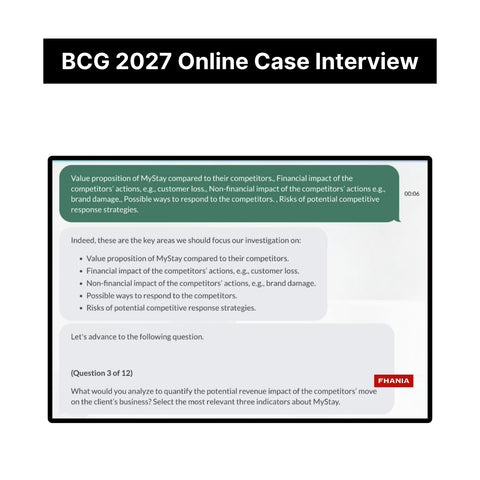
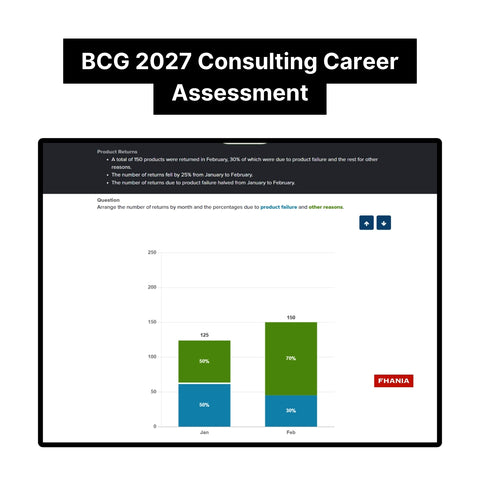
Preparing for BCG's interview? Our 2027 BCG Consulting Career Assessment, Online Case and Quantitative Reasoning Test Tutorials has practice questions and answers — $79 one-time, instant download.