
Why this question matters
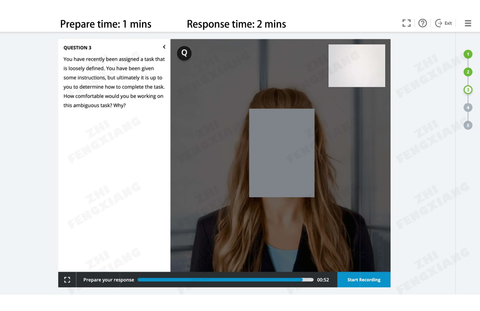
Barclays uses a Video Interview in its 2027 recruitment process, and this stage cuts a large share of the people who take it. Candidates who have already practised the real wording have an edge over people meeting it cold.
The real question, word for word
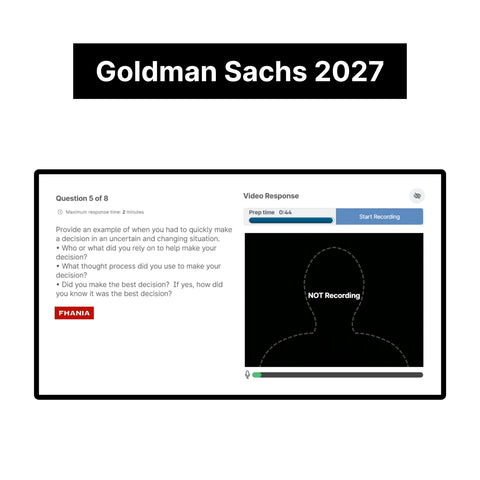
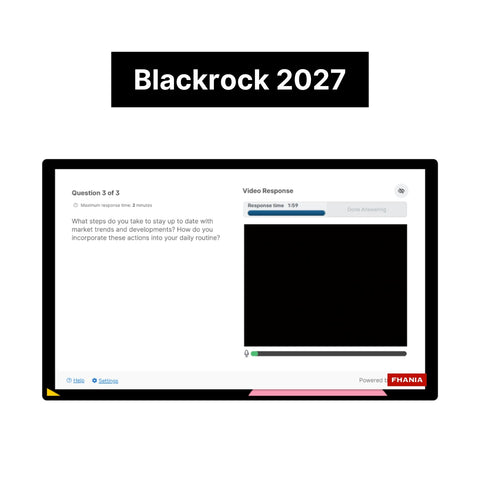
Here is one of the questions shown in the assessment:
You have recently been assigned a task that is loosely defined. You have been given some instructions, but ultimately it is up to you to determine how to complete the task. How comfortable would you be working on this ambiguous task? Why?
How answers lose points
- Giving a slogan: Words such as passion and curiosity mean little without a specific example.
- Spending too long on context: A long setup leaves too little time for the decisions that reveal judgement.
- Hiding behind we: The interviewer cannot score contribution when ownership never becomes visible.
- Ending without proof: A positive claim needs an outcome, response or learning point that can be checked.
What a passing answer does
The interviewer needs to see comfort with uncertainty, sensible clarification, and accountable independent judgement.
A strong answer acknowledges the ambiguity without presenting it as a reason to wait.
It defines the outcome, constraints and stakeholders before choosing a route.
It shows where the candidate would seek clarification and where they would act independently.
It closes with checkpoints that keep an uncertain task aligned as new information appears.
See the questions before recording
This is only one question from the assessment. OfferTutoring keeps the complete Barclays interview questions together so candidates can practise the real wording and avoid going into the recording cold.