The most common Bain application mistakes are: a templated cover letter, picking an office without research, hiding a weak GPA instead of explaining it, applying at the last minute, preparing for cases by reading instead of practising, underestimating the written case, and doing zero networking. Fix these seven and your application already stands out from most of the pile.
This guide covers the 2027 intake at Bain & Company — applications open in 2026 and are reviewed on a rolling basis, so applying early gives you the strongest chance. Confirm exact dates on Bain & Company's official careers page.
The Most Common Bain Application Mistakes
1. A templated cover letter. Recruiters spot generic lines in seconds. Your letter must answer: why consulting, why Bain, why this office — with one concrete story that proves you can do the work. If it could apply to McKinsey by swapping the name, rewrite it.
2. Choosing an office without research. Defaulting to London or New York misses that industry exposure differs hugely by office. A genuine reason — "I want exposure to your private equity practice" — signals serious intent. Our guide on which Bain role is right for you covers how to choose.
3. Ignoring a GPA weak spot. A low grade with no explanation reads as carelessness. One line of context — a tough semester, a degree switch — turns a red flag into a non-issue. Recruiters respect honesty; they punish evasion.
4. Waiting until the deadline. Bain reviews applications on a rolling basis. Late applicants compete for fewer interview slots. Submit when your materials are ready, not when the window closes.
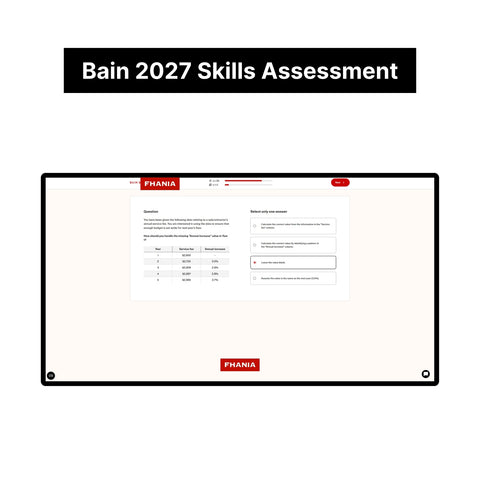
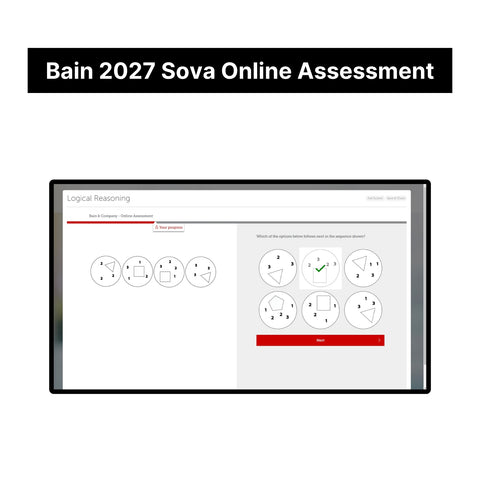
5. Preparing for cases by only reading. Reading case books builds knowledge; it does not build speed. Bain's written case gives you 30 minutes to analyse data and build slides — a skill that only comes from timed practice. We break down the written case format in our Bain assessment guide.
6. Underestimating the written case. Many candidates pour weeks into fit interviews and treat the written case as a formality. It is often the single biggest filter before final rounds. Weak structure or sloppy slides end candidacies that were otherwise strong.
7. Zero networking. You do not need a referral to get hired, but no contact at the firm at all signals low conviction. One genuine conversation — an alumni chat, an office open day — gives you material for your cover letter and a name who knows you exist.
Avoiding Bain Application Mistakes: What Works Instead
The fix for every mistake above is the same habit: specificity. A specific story, a specific office reason, a specific preparation plan. Bain interviews reward structured, evidence-based thinking — let your application demonstrate it before the first interview. For the full mechanics, start with our step-by-step guide on how to apply to Bain.
Frequently Asked Questions
Can one mistake get me rejected from Bain?
Yes. A generic cover letter or a botched written case is enough on its own. Every element has to clear the bar.
Should I address a low GPA in my Bain application?
Yes, briefly and factually. One sentence of context in your cover letter or CV is enough. Silence lets the recruiter assume the worst.
Is applying late to Bain really worse than applying early?
Yes, because hiring is rolling. Interview slots are finite — early applicants face less competition for the same number of spots.
How much case practice is enough before Bain interviews?
There is no magic number, but you should be doing timed, live practice — including written cases — not just reading frameworks. Feel bored by the format before your first real interview.
Applying to Bain? Our 2027 Bain Online Assessment & Written Case prep covers the real questions — $79 one-time, instant download.