

Willis Towers Watson Spring Week Conversion Story: A Willis Towers Watson Conversion Story
This is a composite example based on commonly reported applicant journeys; identifying details are illustrative.
This is the story of a candidate reapplying after a rejection the previous cycle, preparing for Willis Towers Watson spring week conversion story. The turning point was not talent or luck; it was the week the preparation stopped being generic and started being about a story of a spring week attendee working towards a summer role at Willis Towers Watson specifically. The details are a composite, but the pattern — diagnose honestly, practise in format, review without mercy — is the one successful candidates describe again and again.
Where the Candidate Started
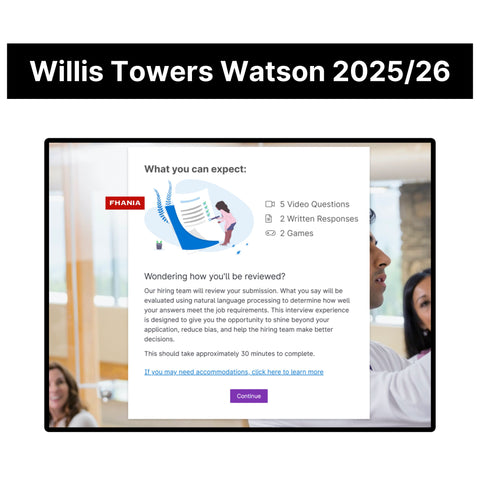
The first practice attempt was sobering. Untimed, the material felt manageable; under realistic conditions — the clock running, the format unfamiliar — answers thinned out and easy marks slipped away. The honest conclusion was uncomfortable but useful: the problem was not ability, it was that no part of the Willis Towers Watson process had ever been rehearsed as it would actually happen.
Where Willis Towers Watson spring week conversion story Changed the Story
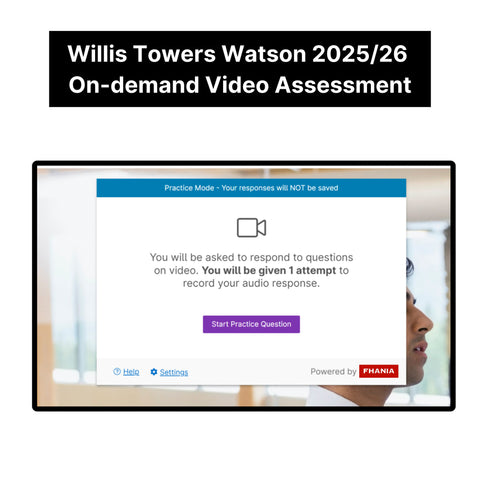
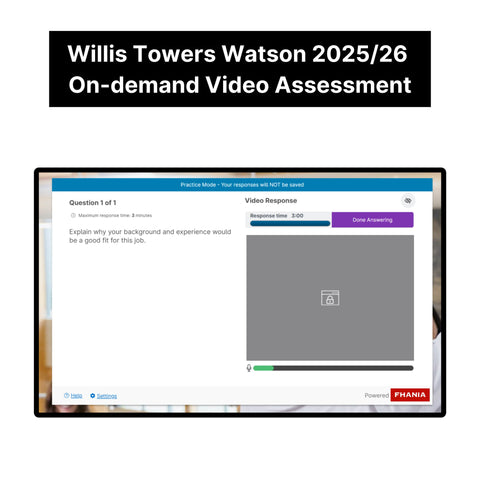
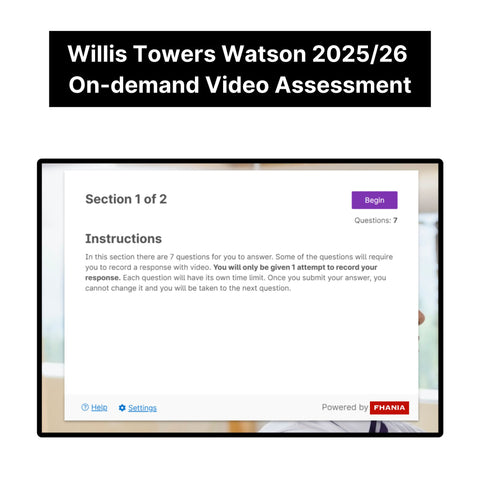
The change was procedural. Practice moved into the real format: timed, recorded where speaking was involved, reviewed immediately. Each session ended with one named weakness written down — a rushed opening, a vague example, a skipped check — and the next session attacked that weakness first. Within two weeks, a story of a spring week attendee working towards a summer role at Willis Towers Watson had stopped being an ambush and become a routine, and routines are what hold up under pressure.
Three Lessons From Willis Towers Watson spring week conversion story
- Build stories from specific, recent, verifiable experience — and rehearse them aloud.
- Review every attempt for one named weakness, then fix that one before the next session.
- Practise in the real Willis Towers Watson format, not a comfortable approximation of it.
Where It Led
The outcome was not magic: the candidate reached the final round of the Willis Towers Watson process — the stage where preparation stops being the differentiator and judgement takes over. Whatever happens at that point, the application had done its job. Details may vary by role and region, so check the firm's official careers page for the current process.
Frequently Asked Questions
What is the main lesson from this Willis Towers Watson spring week conversion story story?
Preparation for Willis Towers Watson works when it is specific. The candidate stopped collecting generic advice and started rehearsing the exact tasks and questions in front of them, with honest review after every attempt.
Does a story like this apply to my background?
The details differ — your Willis Towers Watson process will have its own stages — but the pattern is common: an honest audit of weak points, practice in the real format, and stories built from genuine experience. That pattern transfers across schools, subjects and countries.
How much time should I allow before Willis Towers Watson interviews?
Enough for several spoken rehearsals and at least one full Willis Towers Watson practice run in realistic conditions. The exact number of days matters less than starting early enough that no stage is a first attempt.
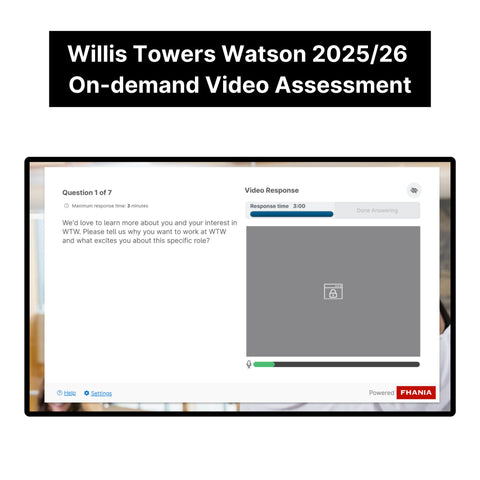
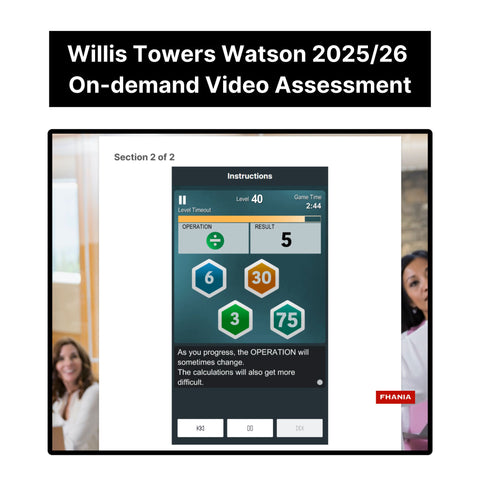
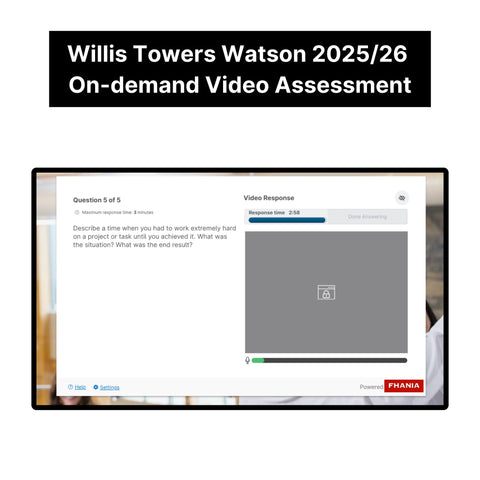
Preparing for Willis Towers Watson's interview? Our 2027 Willis Towers Watson WTW On-demand Video Assessment Exact Questions and Answers has practice questions and answers — $79 one-time, instant download.