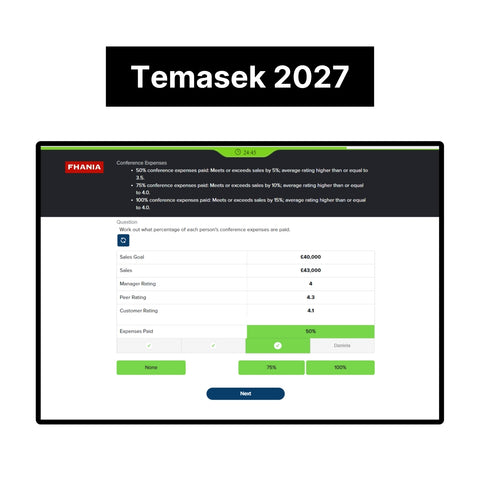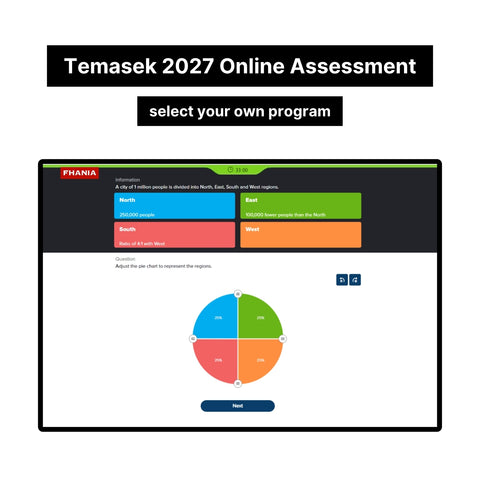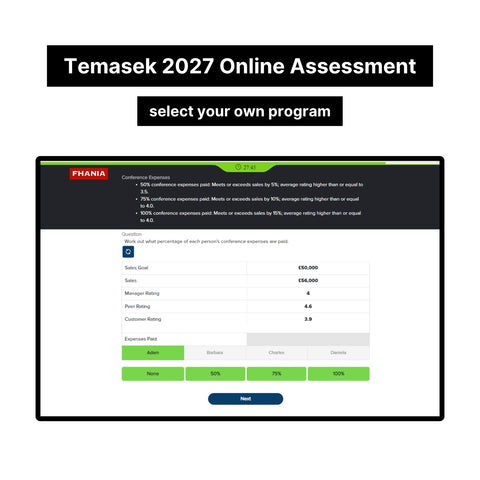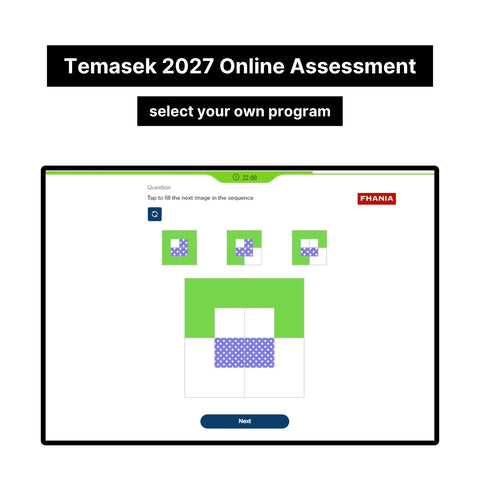


Temasek Situational Judgement Questions: Choosing Like a Colleague
Everything in Temasek situational judgement questions is learnable, and situational judgement questions on workplace scenarios in Temasek selection is the place to start. Below you will find the question types candidates actually meet, the safest method for each, and a practice plan that builds speed without sacrificing the accuracy the score depends on.
Inside Temasek situational judgement questions: The Recurring Question Types
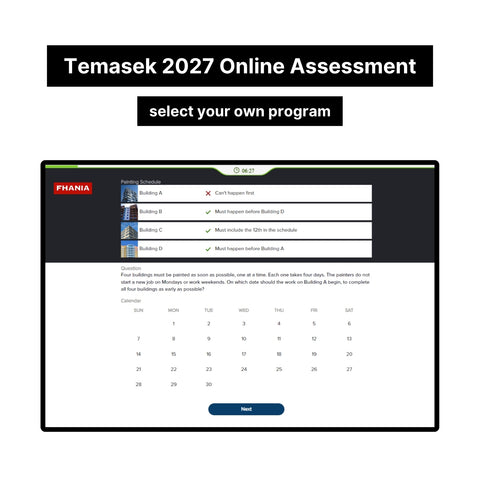
No single trick covers situational judgement questions on workplace scenarios in Temasek selection; the marks are spread across distinct question families. The families below are the ones candidates describe most often, and each has a safest-first-step that protects you from the standard trap.
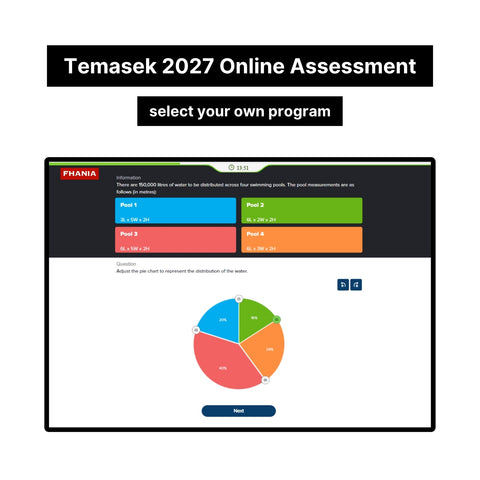
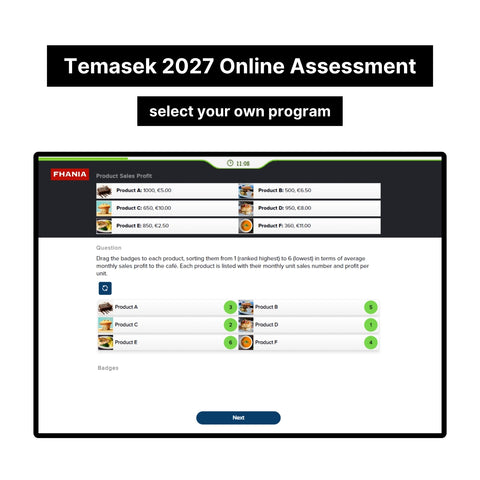
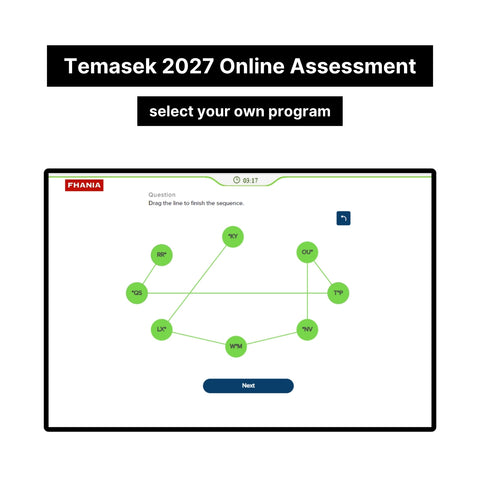
- Ranking and ordering tasks: eliminate confidently before you calculate precisely.
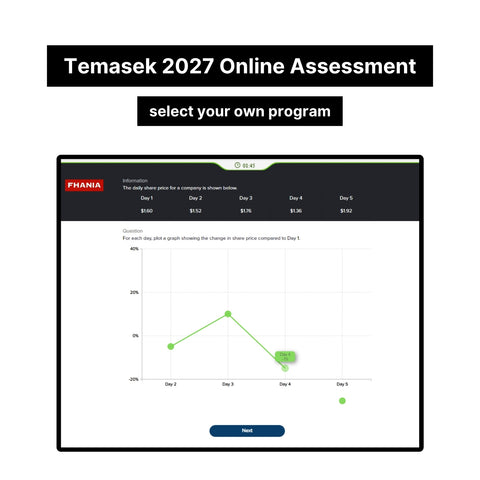
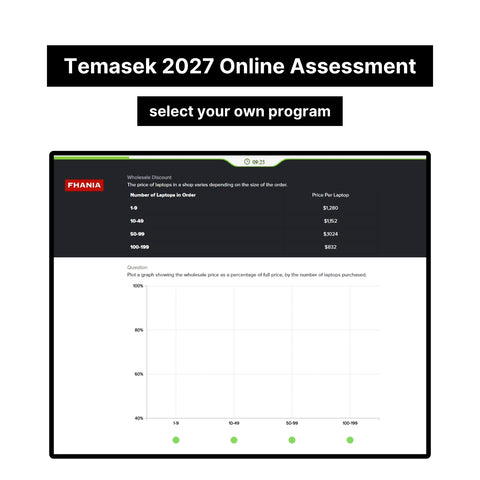
- Chart reading in situational judgement questions on workplace scenarios in Temasek selection: axes and units first, calculation second.
- Multi-step arithmetic: one clean method, checked once, rather than two rushed ones.
Solving Temasek situational judgement questions Questions Without Rushing
Start every item by asking what is actually being compared or changed — most errors in Temasek situational judgement questions come from computing the right method on the wrong quantities. Keep workings minimal but visible, so a partial approach still shows method, and protect the final minutes for review rather than for one heroic last question.
Where the Time Actually Goes
Treat the clock as information in Temasek situational judgement questions. If one item has consumed double its budget, its remaining value is low whatever you do next. Move, bank the easier marks ahead, and let the hard item go — that discipline, practised beforehand, is most of what "good under pressure" means.
Building Speed Safely
Use real-format practice from the first day: same screen or paper setup, same timing, no pausing. Afterwards, review slowly and classify every mistake. Candidates preparing for Temasek often discover their enemy is one repeatable habit — finding yours early is the whole game.
Frequently Asked Questions
What do candidates most often get wrong with Temasek situational judgement questions?
The recurring mistakes with Temasek situational judgement questions are rushing the first questions, answering the question they wished for instead of the one asked, and never reviewing practice attempts. With Temasek situational judgement questions, a calm first minute and a checked answer are worth more than raw speed.
Where can I check the current format of Temasek situational judgement questions?
Formats for Temasek situational judgement questions change between cycles and regions. Details may vary by role and region, so check the firm's official careers page for the current process. Anything in this guide describes what candidates commonly report, so use it to prepare, and use official sources to confirm.
What is the best way to prepare for Temasek situational judgement questions?
Start with situational judgement questions on workplace scenarios in Temasek selection: understand what it is testing, then practise the exact task types under time pressure. Short, regular sessions with honest review beat one long cram, because the skill being measured is judgement under mild pressure, not memorisation.
How difficult is Temasek situational judgement questions in practice?
Most candidates find Temasek situational judgement questions demanding mainly because of pacing and unfamiliar format, not because the underlying content is advanced. Once the format feels familiar, difficulty drops quickly, which is why even a small amount of targeted practice changes outcomes.
Preparing for Temasek's interview? Our 2027 Temasek Online Assessment & Video Interview Answers has practice questions and answers — $79 one-time, instant download.