

Capital One Situational Judgement Questions: Choosing Like a Colleague
Everything in Capital One situational judgement questions is learnable, and situational judgement questions on workplace scenarios in Capital One selection is the place to start. Below you will find the question types candidates actually meet, the safest method for each, and a practice plan that builds speed without sacrificing the accuracy the score depends on.
Inside Capital One situational judgement questions: The Recurring Question Types
Expect a rotation of types rather than a single style. Within situational judgement questions on workplace scenarios in Capital One selection, the recurring families are the ones below; the test is checking whether you can switch methods as the format changes, without carrying the previous question's rhythm into the next one.
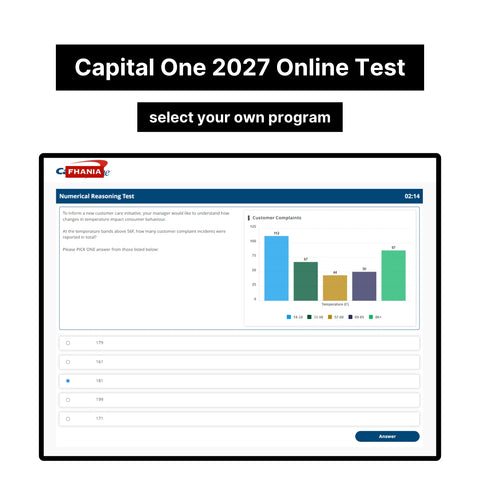
- Estimation questions inside situational judgement questions on workplace scenarios in Capital One selection: state assumptions, round sensibly, sanity-check the result.
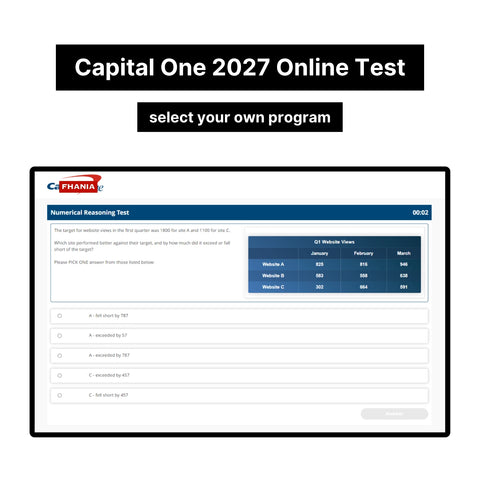
- Data interpretation: read the table or chart before touching the numbers.
- Percentage and ratio changes: the quiet trap in most business tests.
Solving Capital One situational judgement questions Questions Without Rushing
Read the question twice: once for the story, once for the actual ask. Within situational judgement questions on workplace scenarios in Capital One selection, write the quantities you are given in a clean row, choose the shortest reliable method, and compute in one pass with a single check at the end. If a question resists for more than a few seconds beyond its share of the clock, mark it, move on, and return with fresh eyes — unfinished easy questions are the most expensive mistake in Capital One situational judgement questions.
Where the Time Actually Goes
In Capital One situational judgement questions, accuracy compounds and speed merely accumulates. A candidate who answers slightly fewer questions with near-perfect accuracy usually outscores one who touches everything and errs throughout. Build speed in practice, by shrinking the time each familiar type takes, never by skipping steps on the day.
Building Speed Safely
Practise by family first: one session per question type inside situational judgement questions on workplace scenarios in Capital One selection, untimed, until the method is boring. Then add the clock in stages, finishing with full runs in realistic conditions. Keep an error log with three columns — misread, method, arithmetic — because each column demands different practice.
Frequently Asked Questions
What is the best way to prepare for Capital One situational judgement questions?
Start with situational judgement questions on workplace scenarios in Capital One selection: understand what it is testing, then practise the exact task types under time pressure. Short, regular sessions with honest review beat one long cram, because the skill being measured is judgement under mild pressure, not memorisation.
How difficult is Capital One situational judgement questions in practice?
Most candidates find Capital One situational judgement questions demanding mainly because of pacing and unfamiliar format, not because the underlying content is advanced. Once the format feels familiar, difficulty drops quickly, which is why even a small amount of targeted practice changes outcomes.
What do candidates most often get wrong with Capital One situational judgement questions?
The recurring mistakes with Capital One situational judgement questions are rushing the first questions, answering the question they wished for instead of the one asked, and never reviewing practice attempts. With Capital One situational judgement questions, a calm first minute and a checked answer are worth more than raw speed.
Preparing for Capital One's interview? Our 2027 Capital One Virtual Job Tryout Online Test and Digital Interview Tutorials has practice questions and answers — $79 one-time, instant download.