Akuna Capital Python Coding Test: What to Expect & How to Prepare
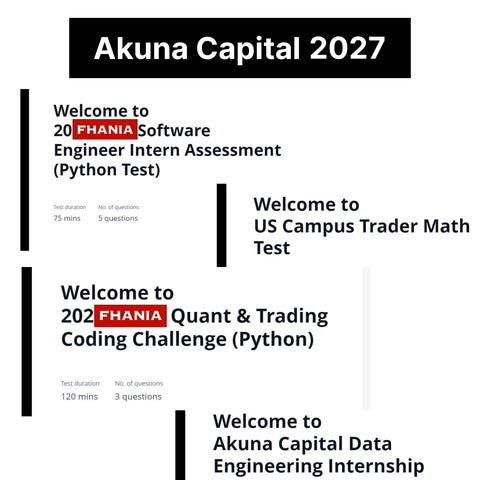
The Akuna Capital Python coding test is the HackerRank screen for Python-track software engineers — algorithms plus systems thinking, on the clock. Candidates assume Python means easier; Akuna disagrees. Here is what the test actually contains and how to prepare so the language does not become your handicap.
What the Akuna Capital Python Coding Test Is
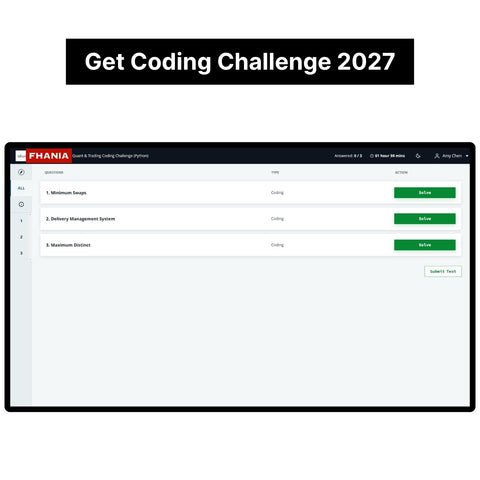
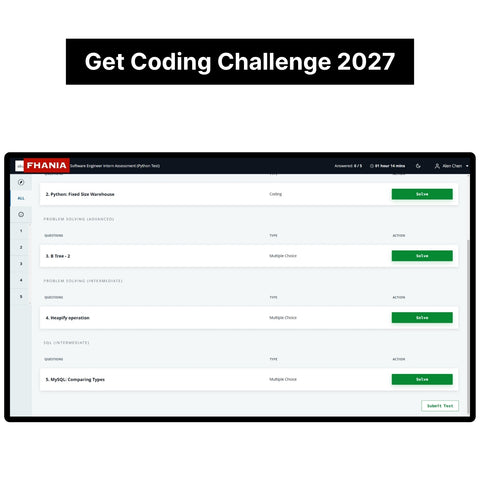
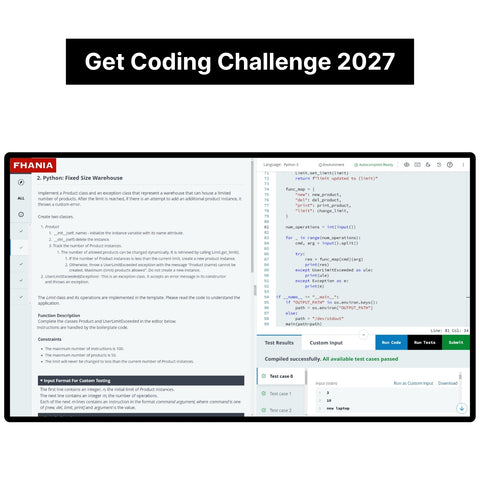
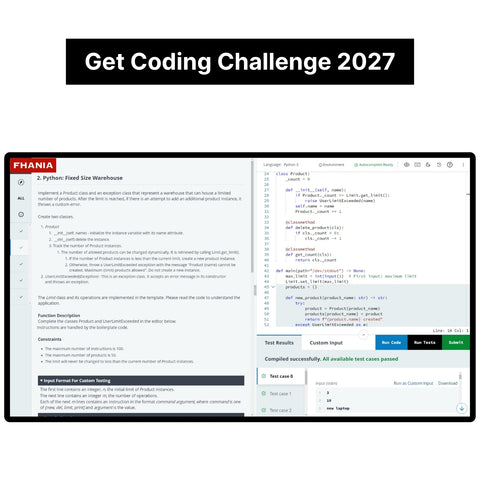
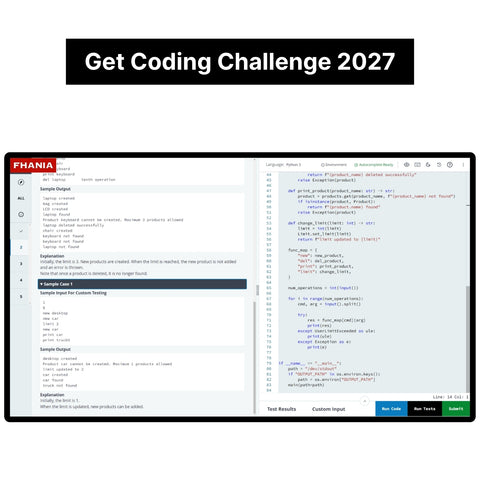
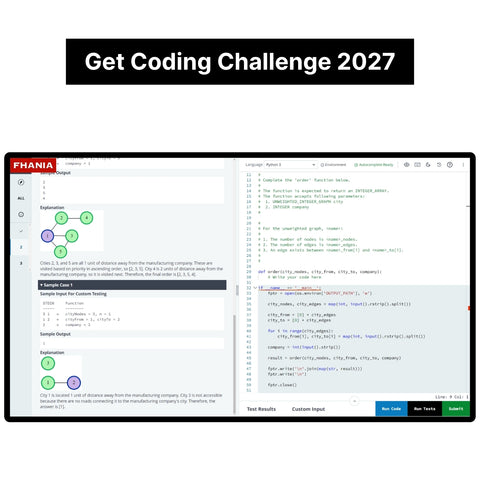
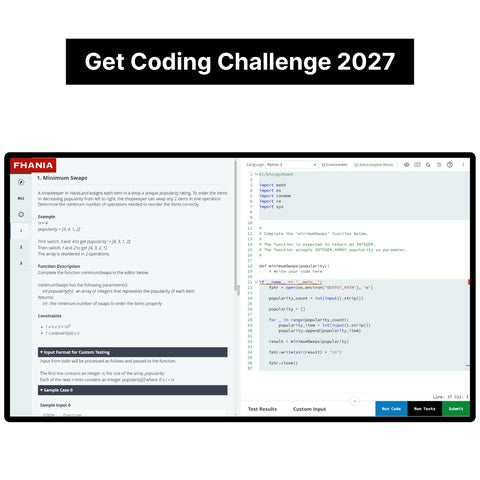
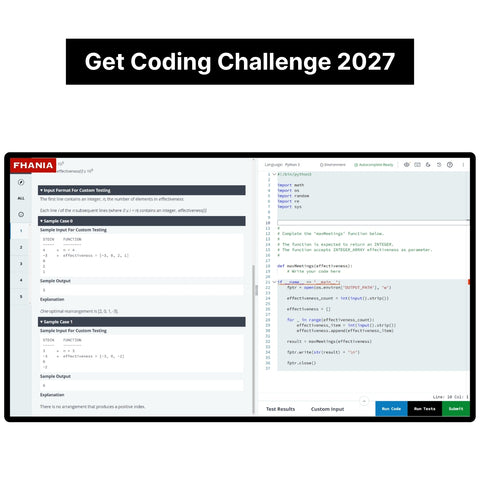
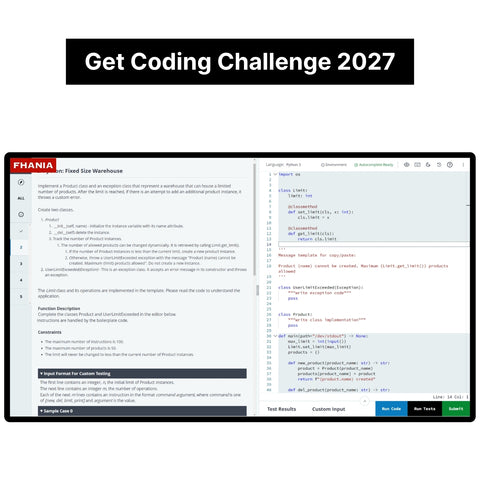
For the 2027 intake, Python-track software engineer candidates take Akuna's coding challenge on HackerRank: 3 algorithmic questions in about 80 minutes, in Python. The twist is that Akuna does not lower the bar for Python — the problems are the same medium-hard set (dynamic programming, graphs, bit manipulation, simulation) given to C++ candidates, and the hidden test cases include performance-sensitive inputs where naive Python times out.
What the Akuna Capital Python Coding Test Assesses
The Akuna Capital Python coding test assesses whether you can write Python that survives production-grade constraints, not just scripts that work on small inputs. First, algorithmic skill under time pressure — same as every track. Second, Python-specific performance awareness: do you know when a list comprehension beats a loop, why dict lookups are O(1), and how to avoid the recursion-limit and TLE traps that kill Python submissions on large inputs? Third, systems thinking: Akuna's Python roles touch real trading infrastructure, so questions may probe how you would structure concurrent or data-heavy code. Candidates who treat Python as "the easy language" walk into timeout failures they never saw in practice.
How to Prepare for the Akuna Capital Python Coding Test
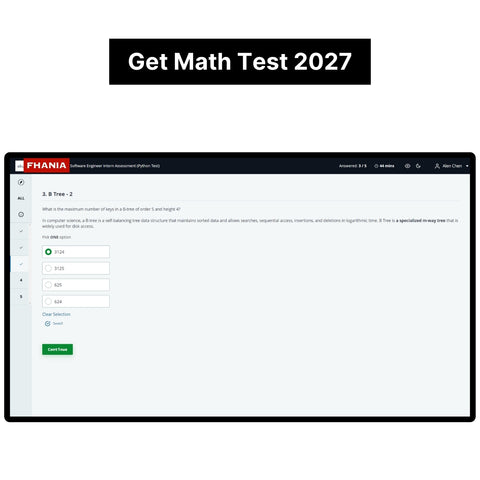
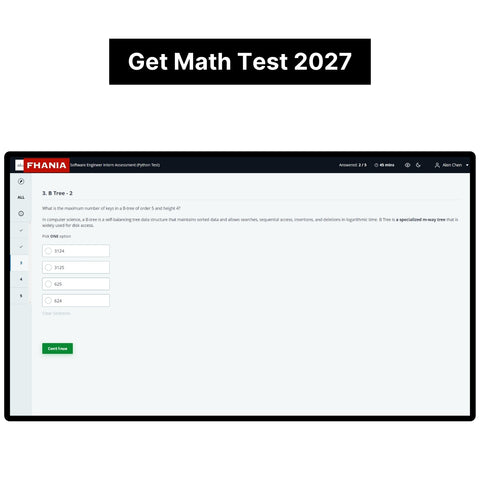
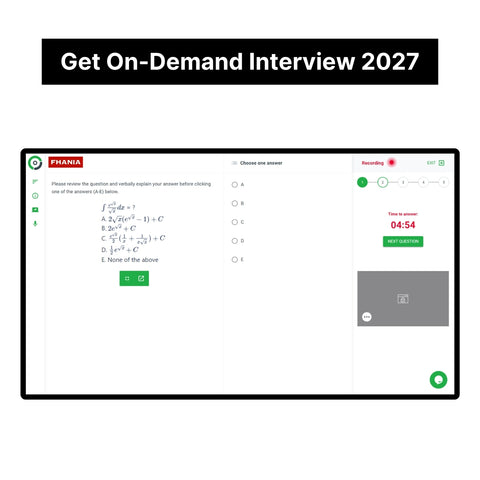
First, drill the standard algorithm patterns — DP, graphs, heaps, two pointers — in Python, always with an eye on complexity, since TLE is the number-one Python killer on HackerRank. Second, learn Python's speed rules cold: fast I/O (sys.stdin), heapq, bisect, itertools, and avoiding O(n²) traps on large inputs. Third, practice on Akuna's actual recurring questions rather than random LeetCode, because the bank is small and repeats. Our 2027 Akuna Capital Coding Challenge Math Test Probability Test On-demand Interview Exact Questions & Answers contains the exact questions from Akuna's Python-track rounds with worked answers, including the performance-sensitive variants — so you learn which Python approaches pass and which time out before it counts.
FAQs
Is the Akuna Capital Python coding test easier than the C++ version? No — the algorithmic difficulty is the same, and Python adds timeout risk on large inputs.
Can I use any Python libraries on the Akuna Capital Python coding test? Standard library, yes. Know heapq, bisect, itertools, and collections cold.
How do I avoid TLE in Python on the Akuna Capital coding test? Fast I/O, O(n log n) or better algorithms, and no per-element Python-level overhead in hot loops.
Which roles take the Akuna Capital Python coding test? Software Engineer – Python track candidates in the 2027 intake.
Python Doesn't Lower the Bar — It Raises the Stakes
Choosing Python for the Akuna Capital Python coding test does not buy you easier questions; it buys you a language that punishes sloppy complexity. The candidates who pass are the ones who drilled the real question bank in Python and learned exactly where the timeouts hide. Grind random problems and you will discover the TLE trap during the test. Study the real ones and you will already know.
Preparing for Akuna Capital's Python coding test? Our 2027 Akuna Capital Coding Challenge Math Test Probability Test On-demand Interview Exact Questions & Answers has the exact questions and answers — $79 one-time, instant download.